CLINICAL CASE
Build an Immediate Implant Placement Bundle and Save 25%! Use code IIP26. Get Started!
Buy 4 Geistlich Panorama, Get 1 Free! Use code PANORAMA. Shop Now!
Buy 5 products, unlock 17.5% discount – Buy 10, unlock 25%! Use code 175CLIMB. Check it out!
Buy products 5, get 1 free. Use code b5g1. Check it out!





CLINICAL CHALLENGE:
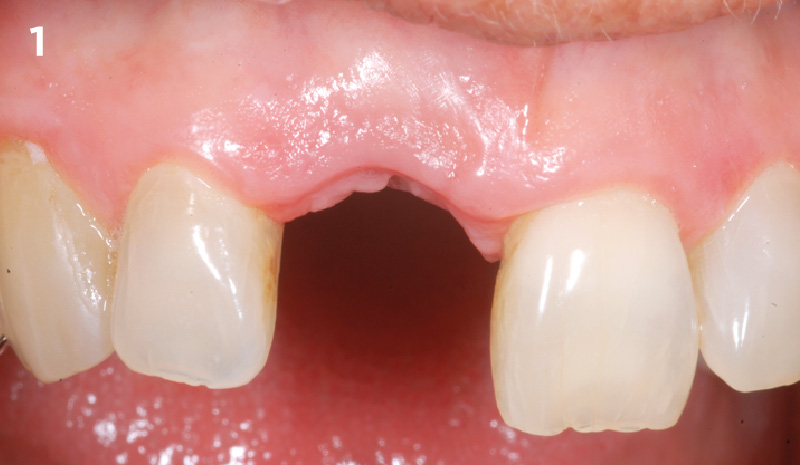
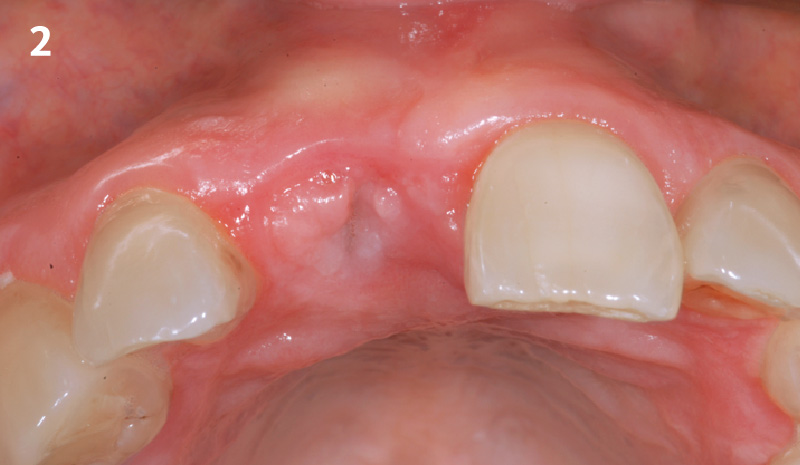
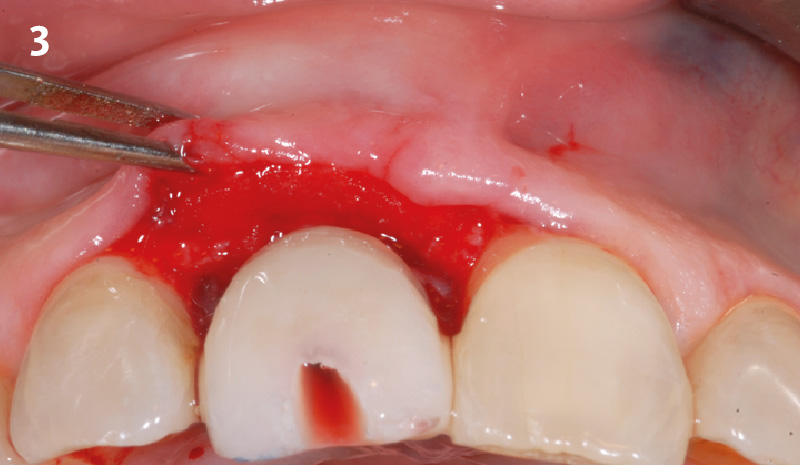
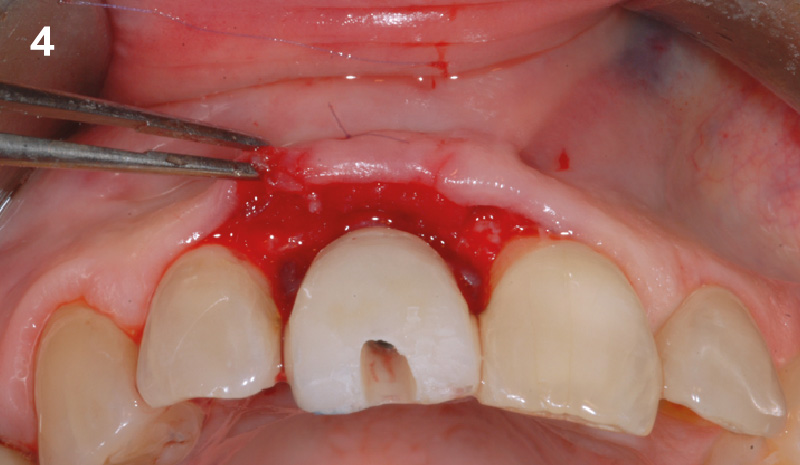
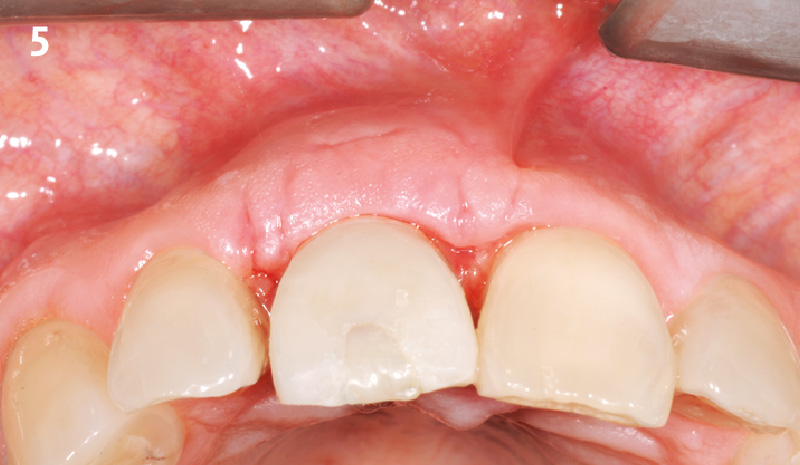
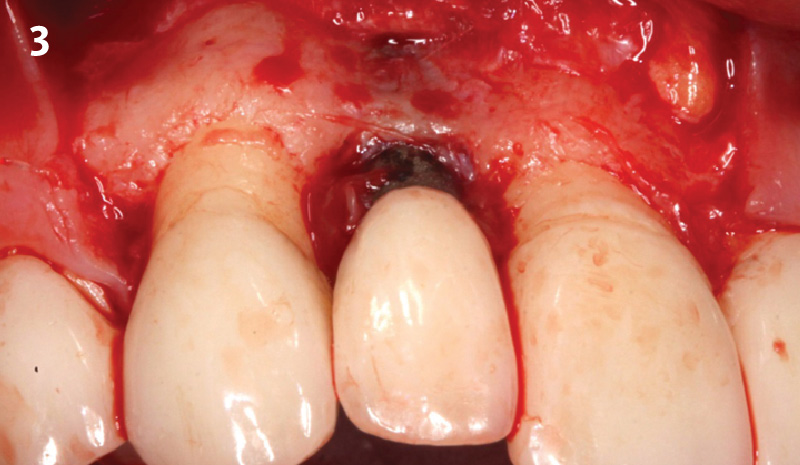
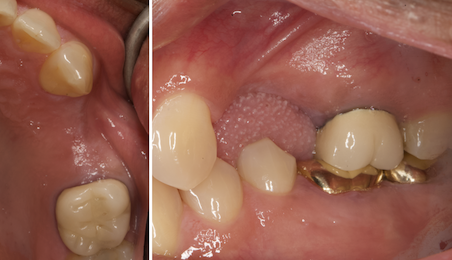
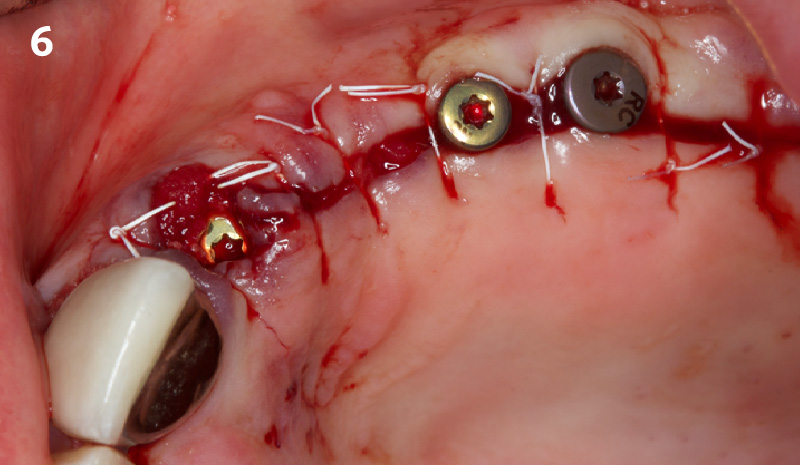
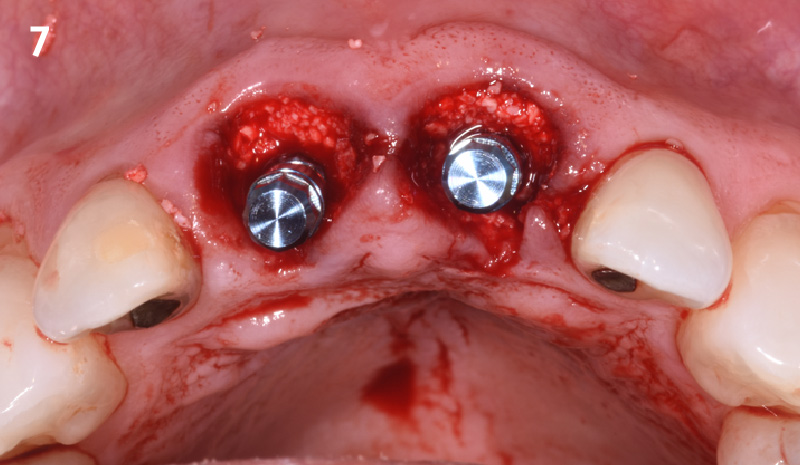
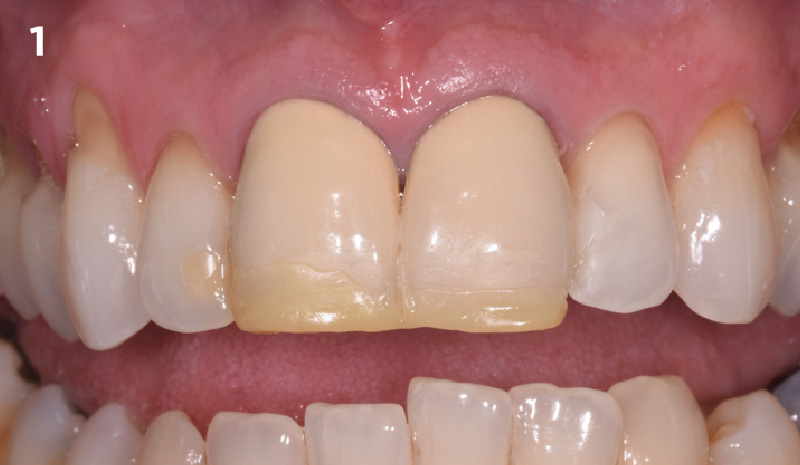
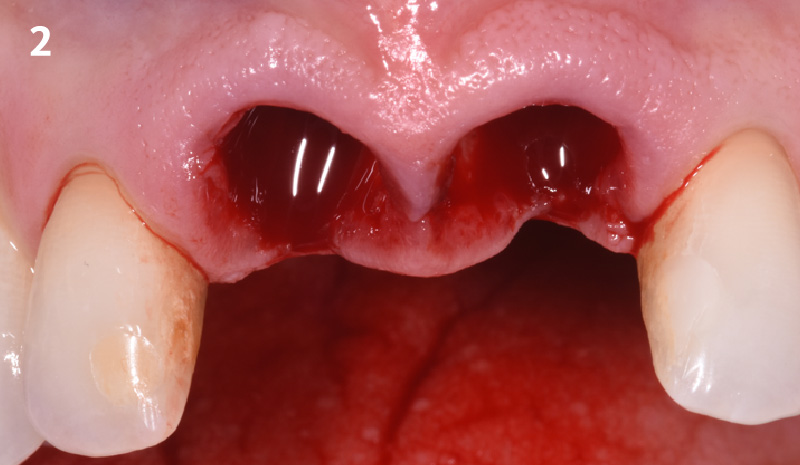
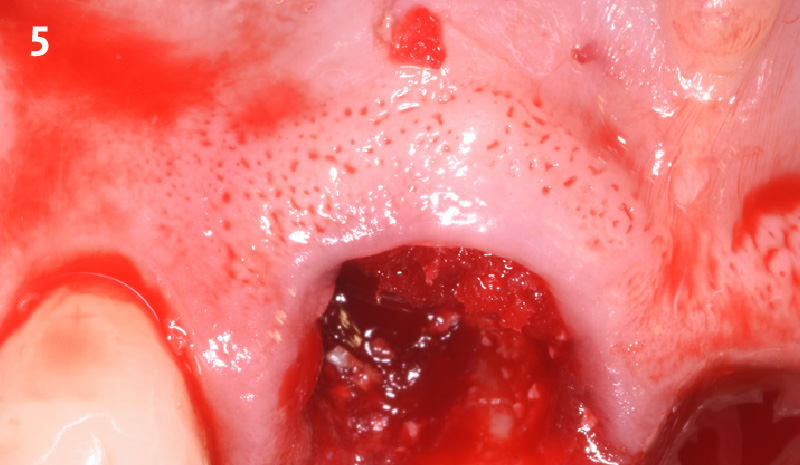
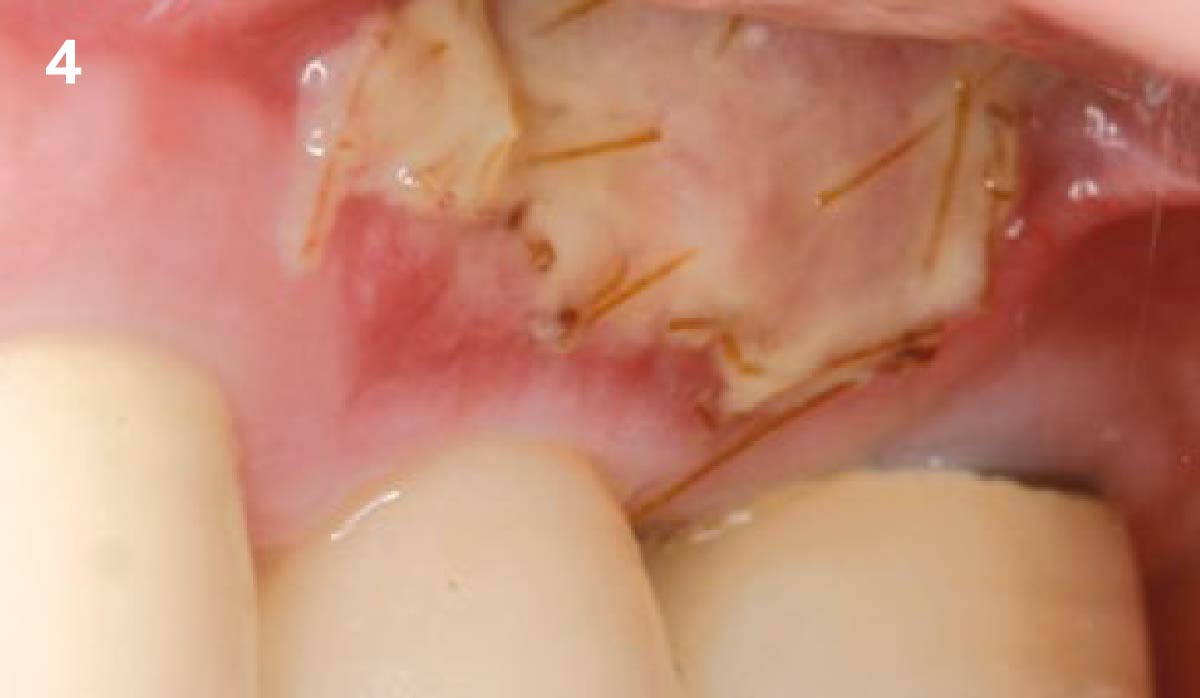
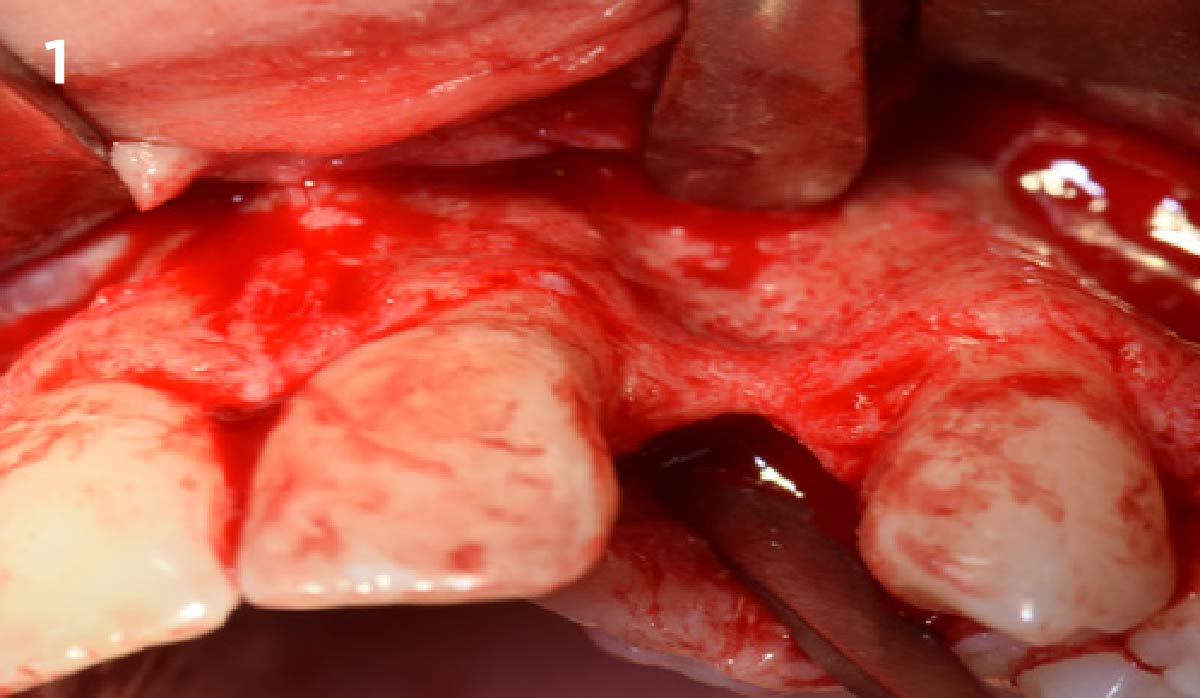
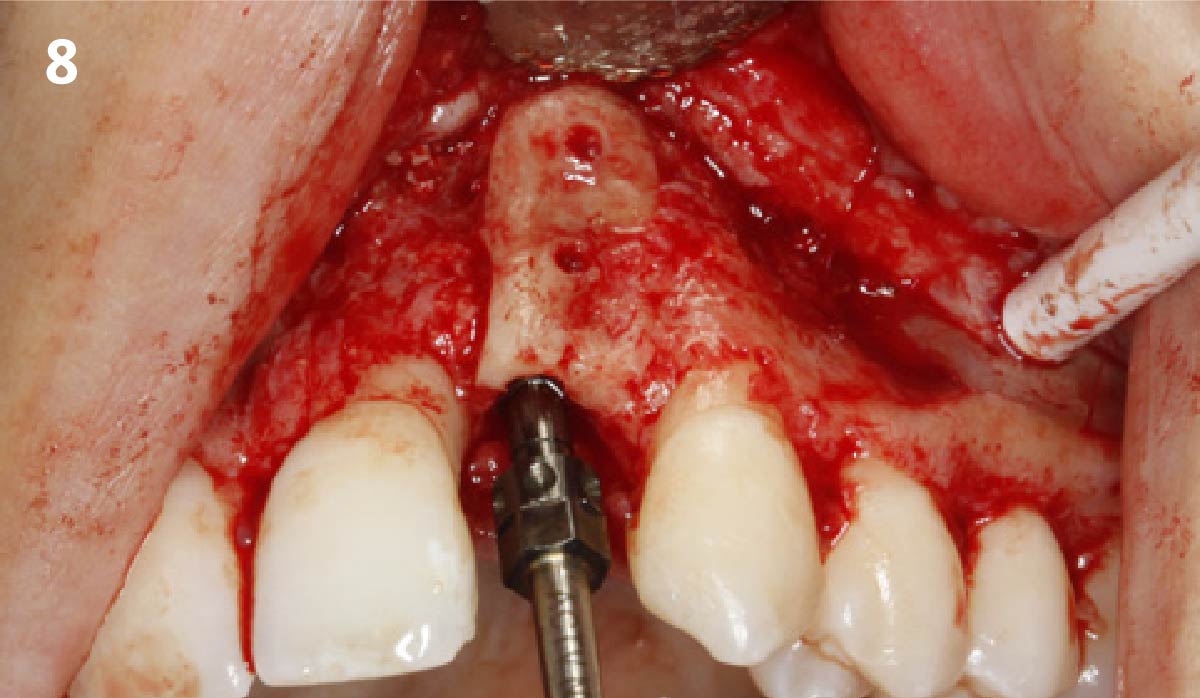
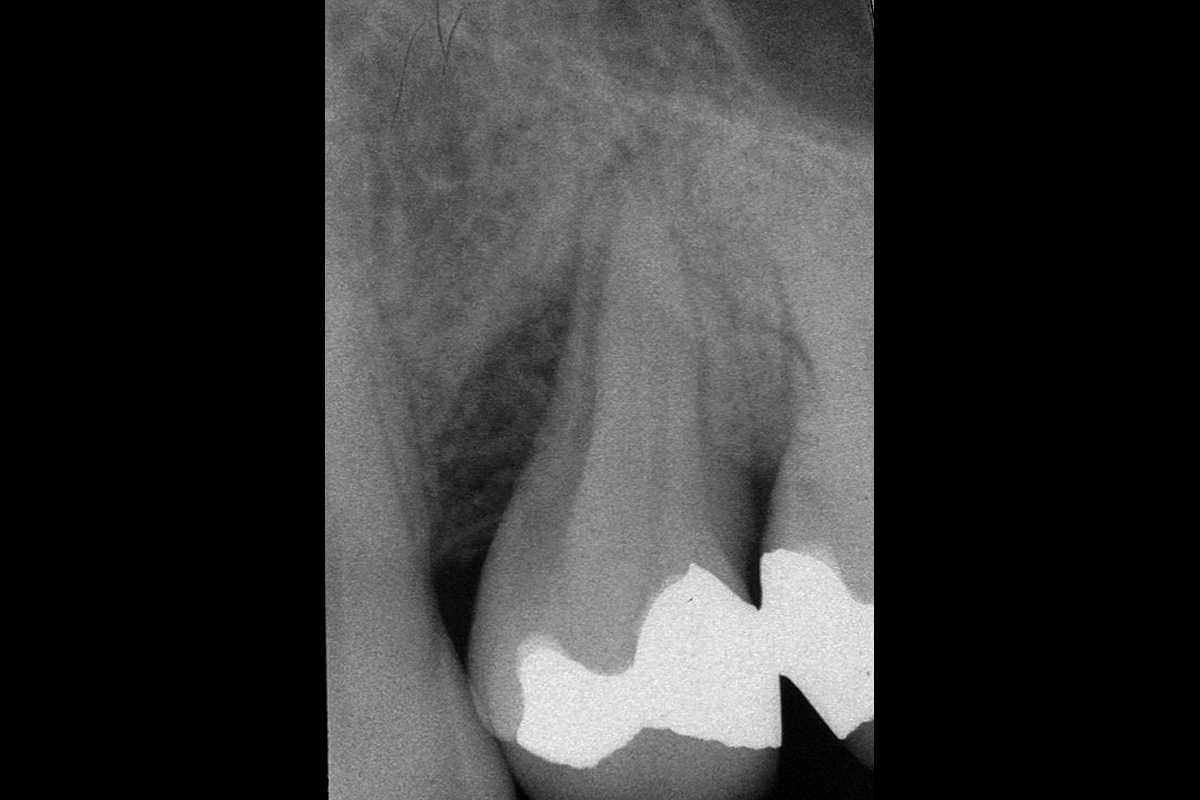
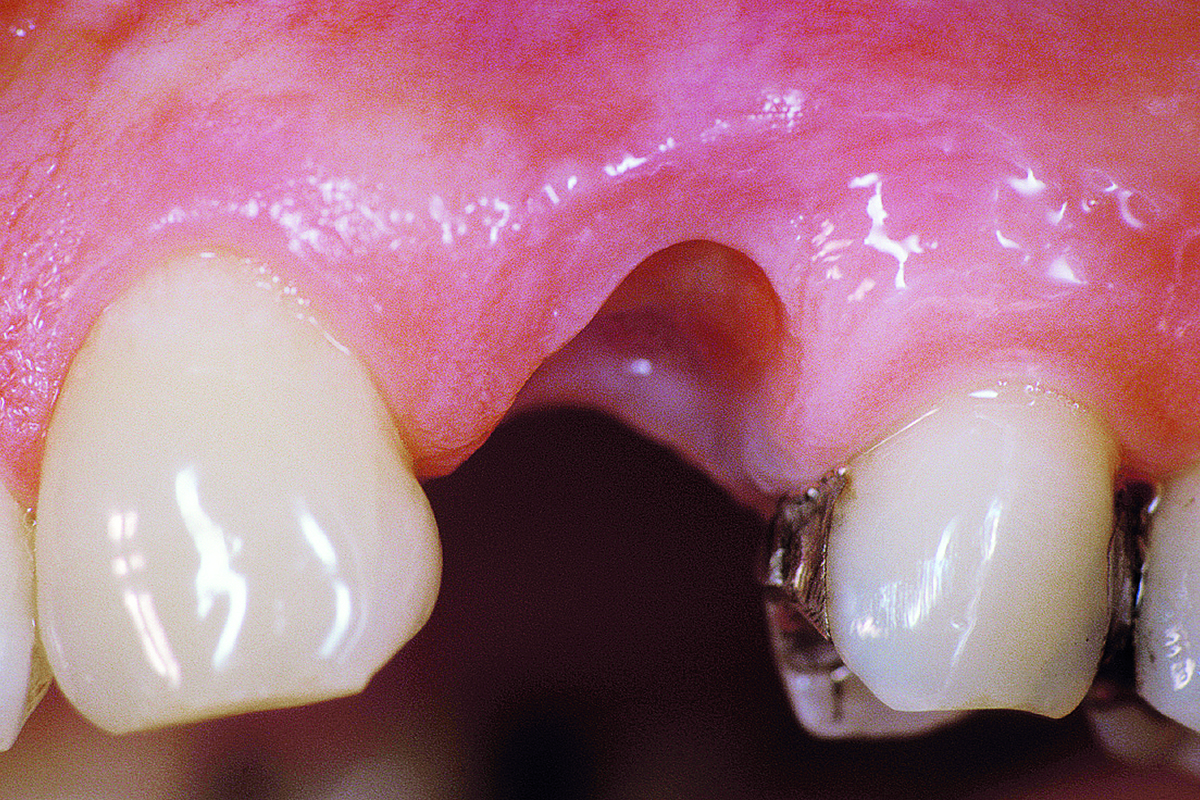
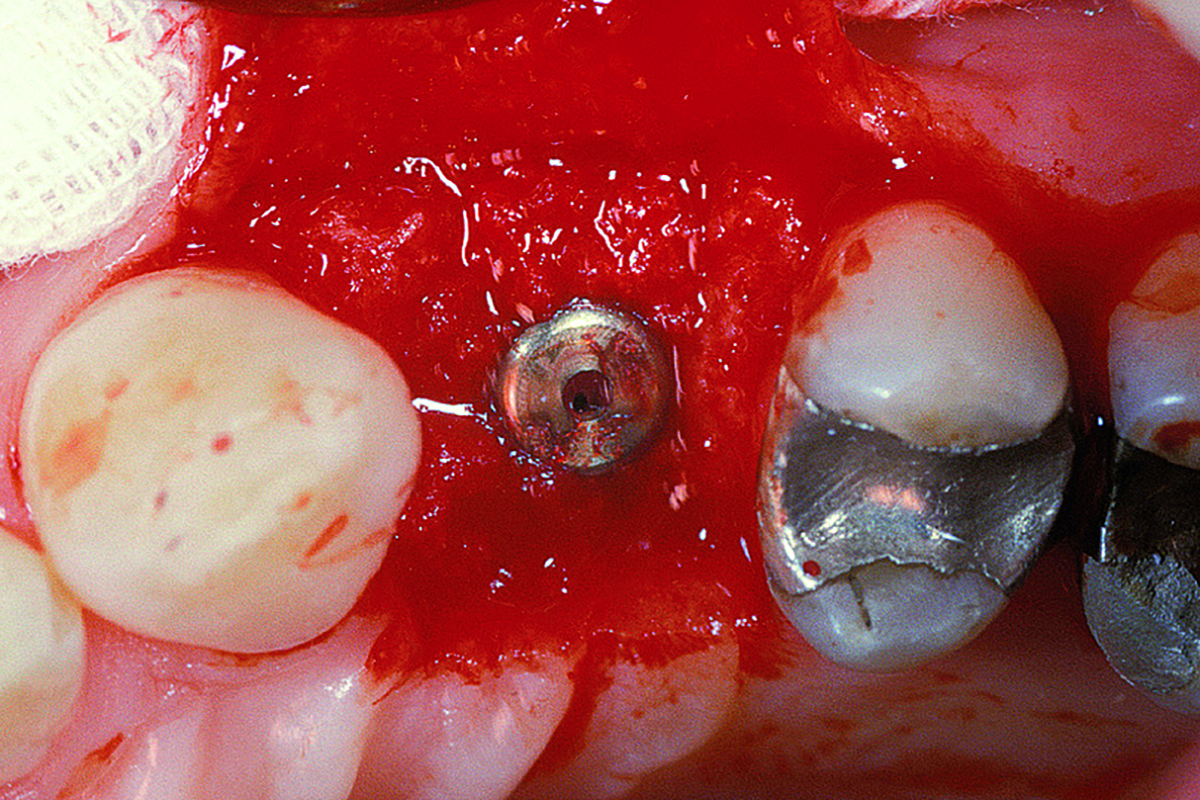
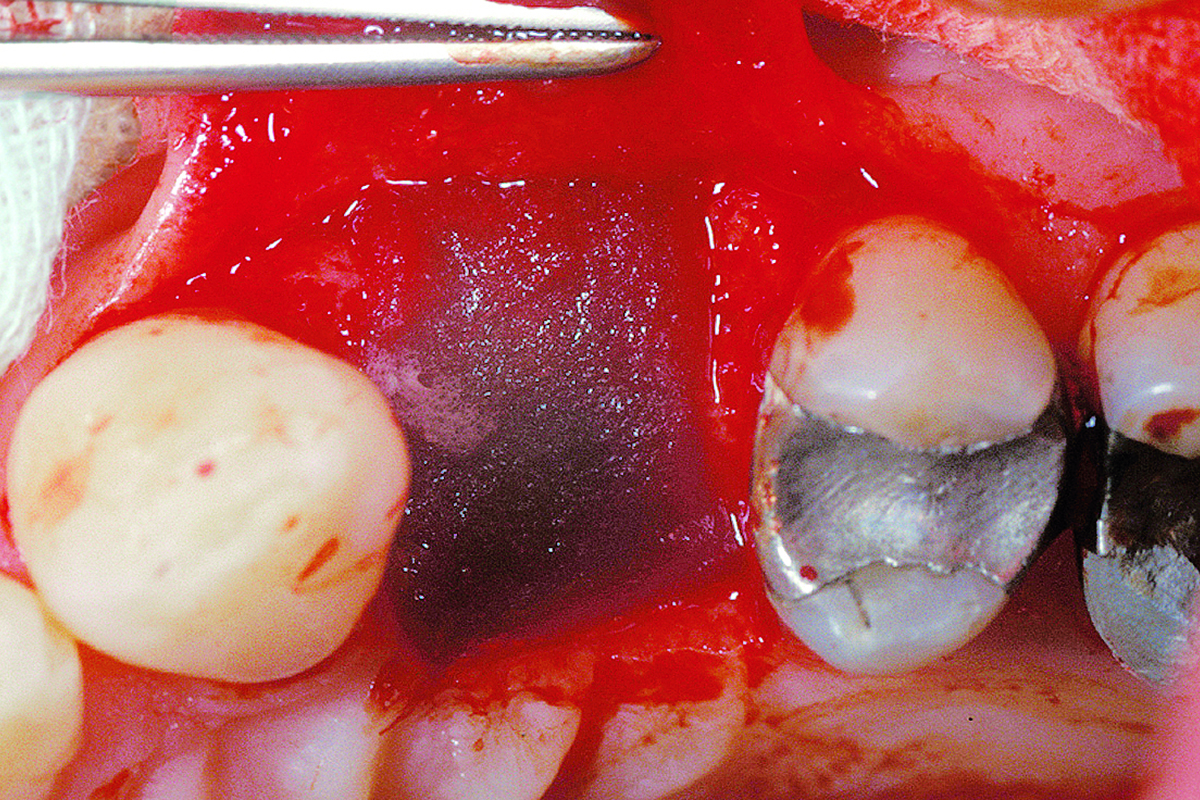
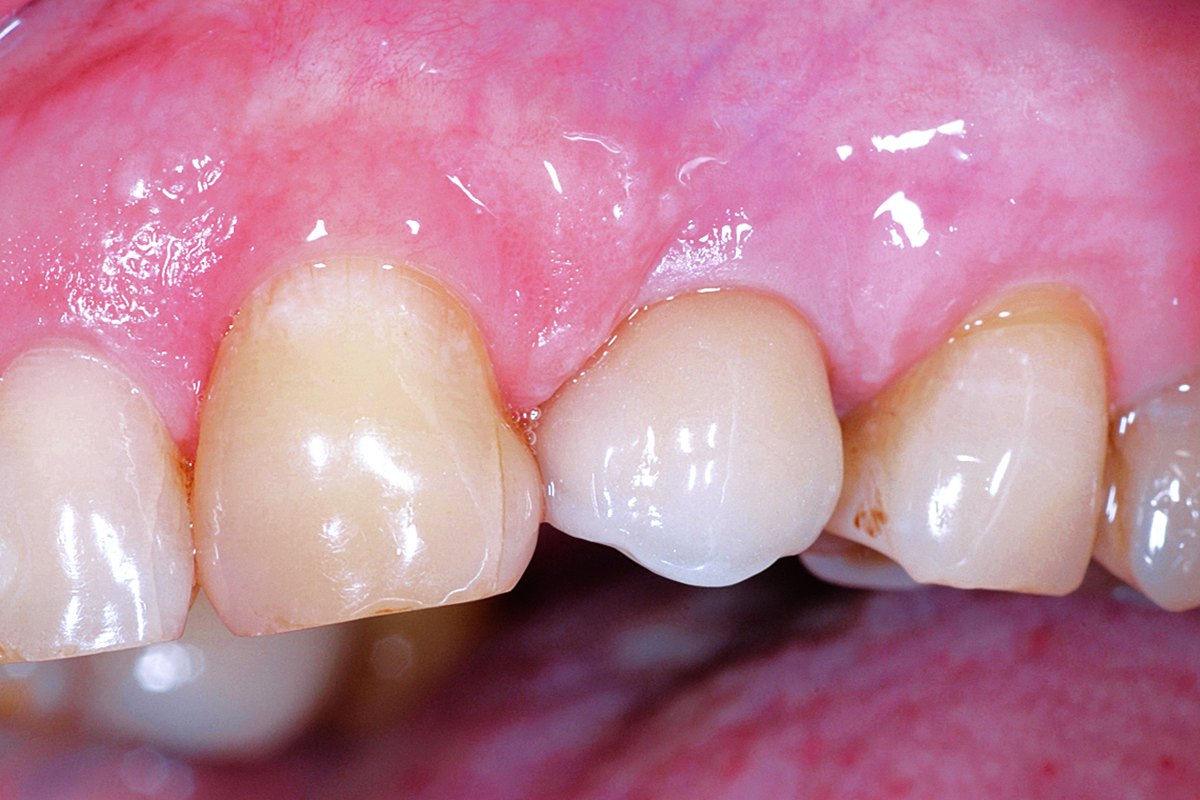
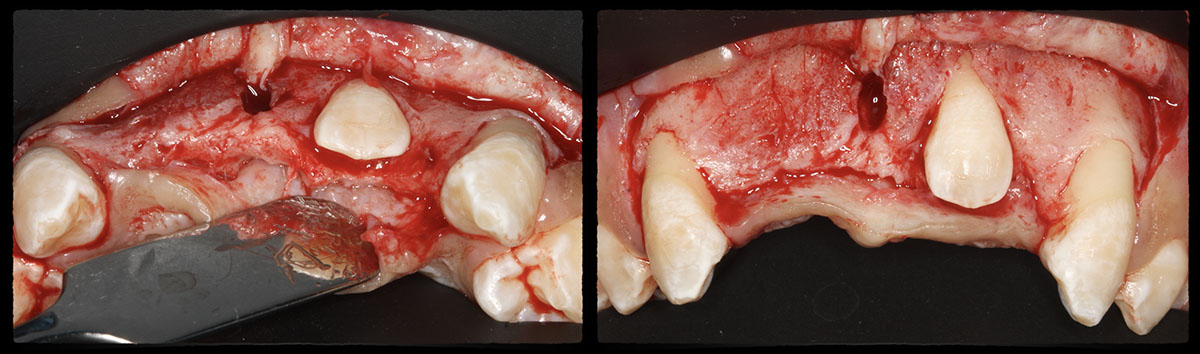
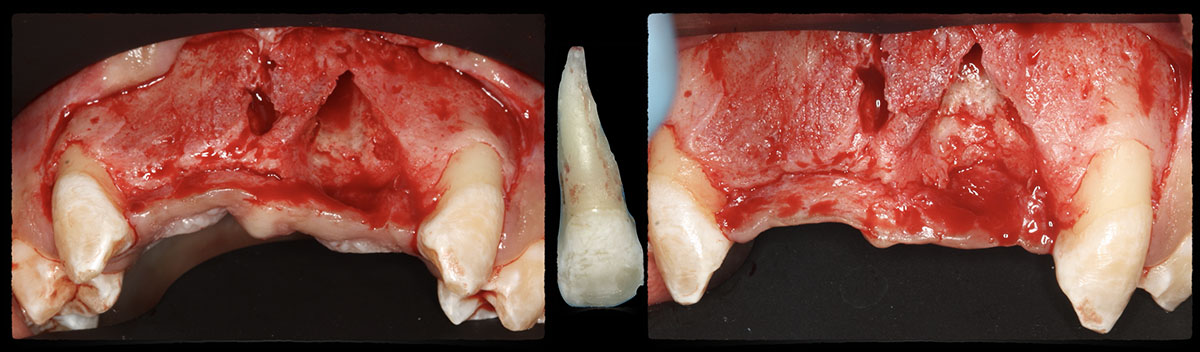
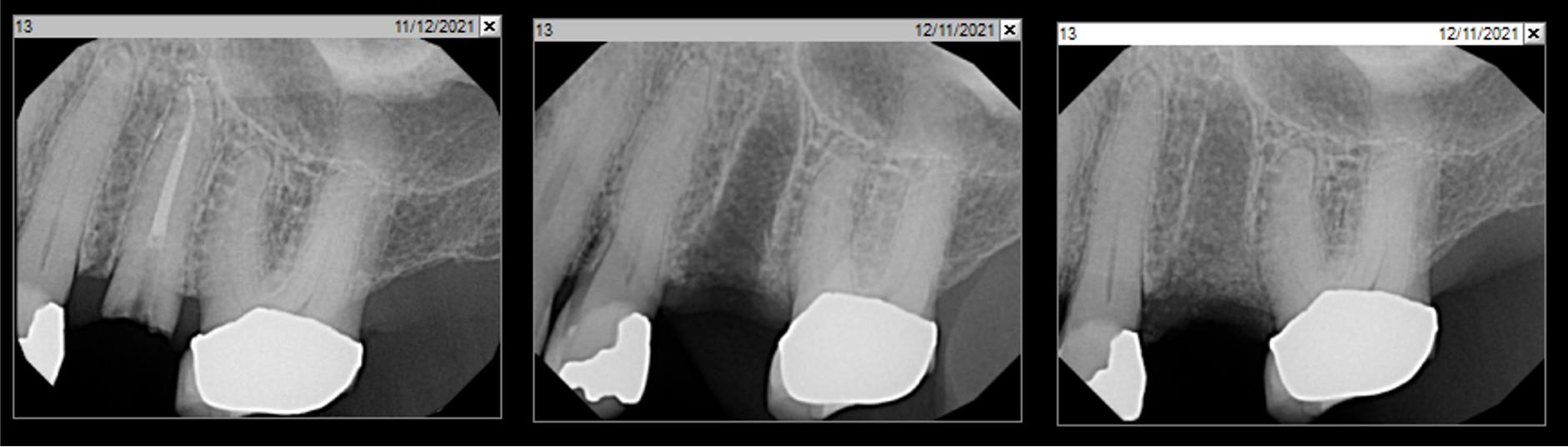
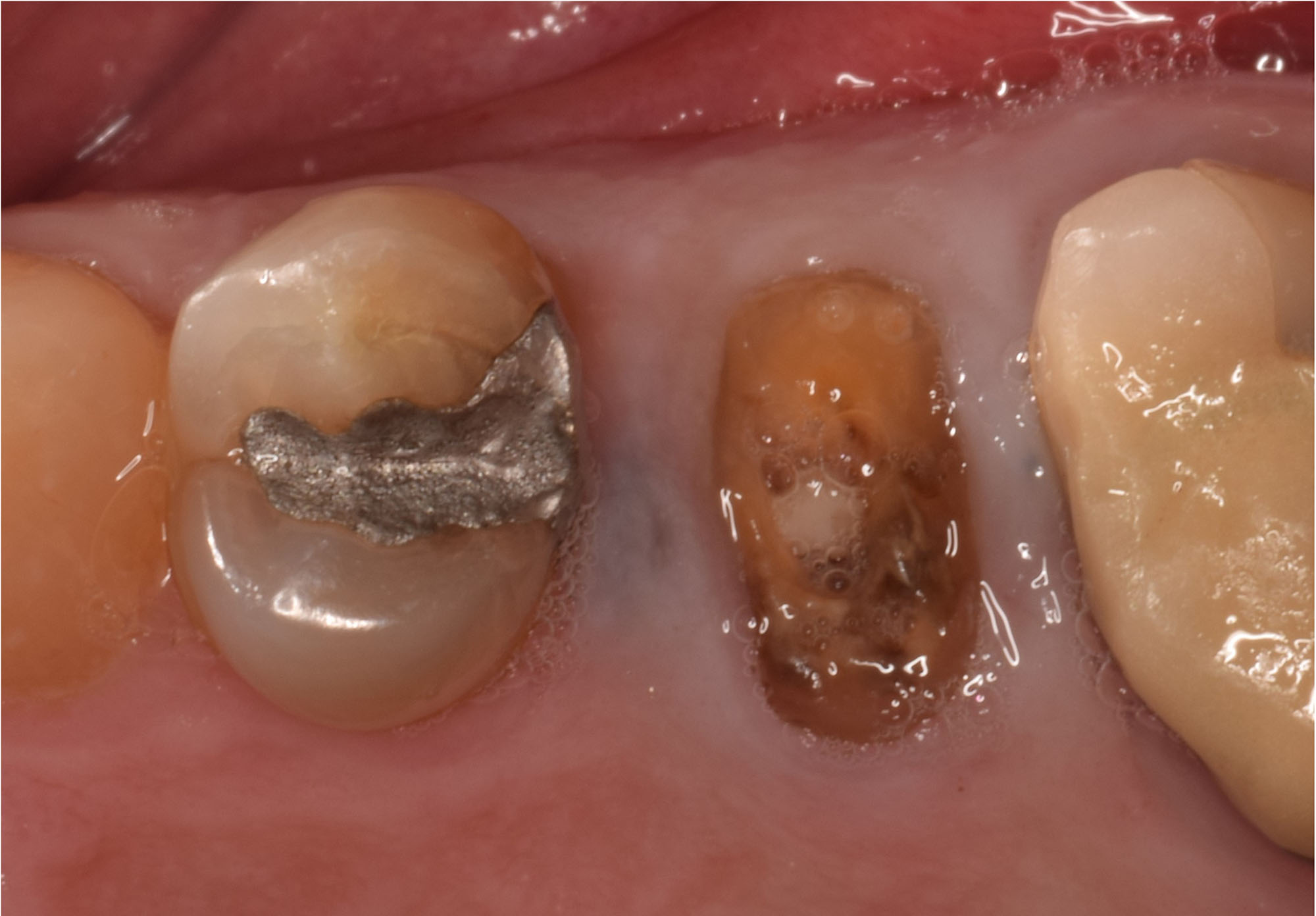
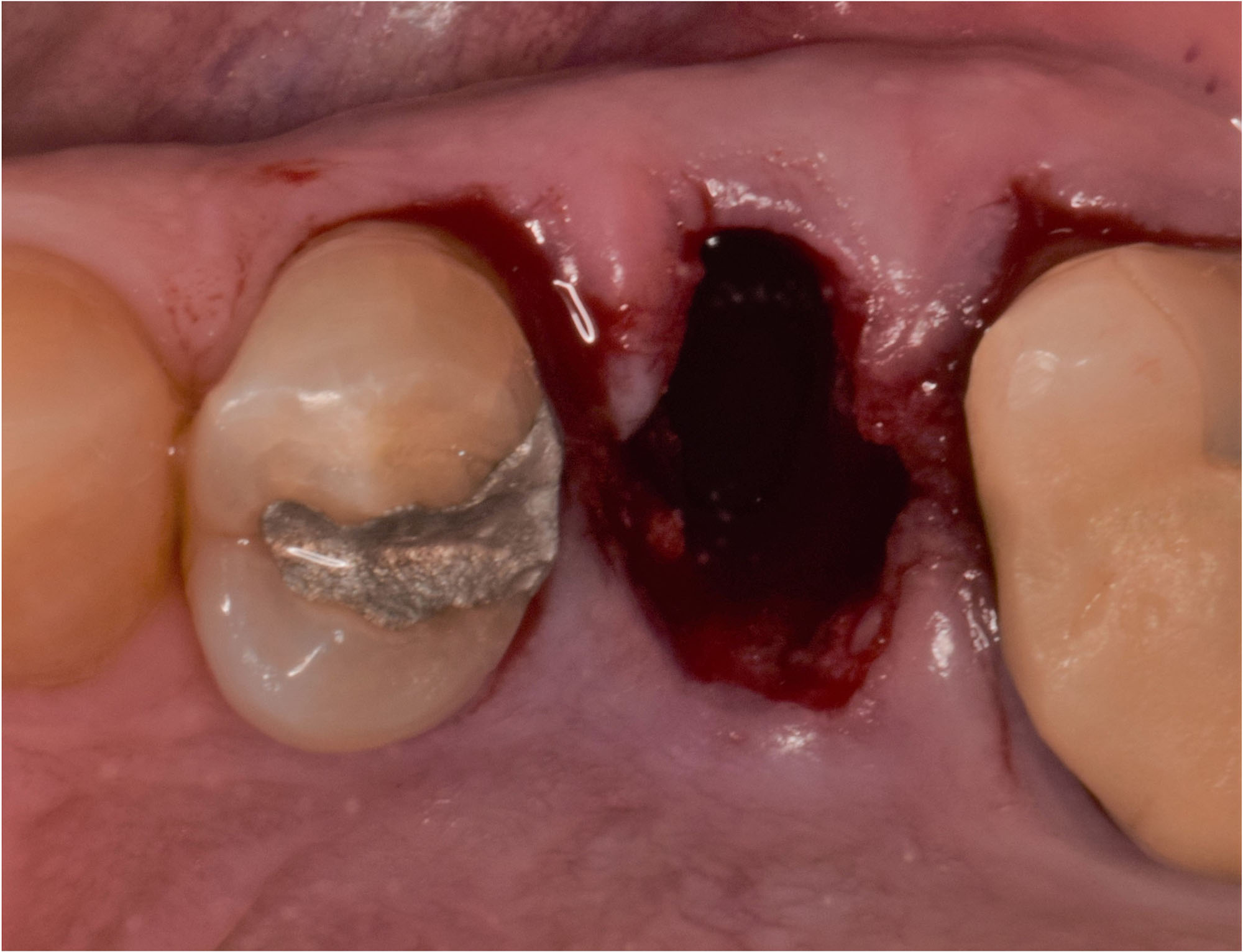
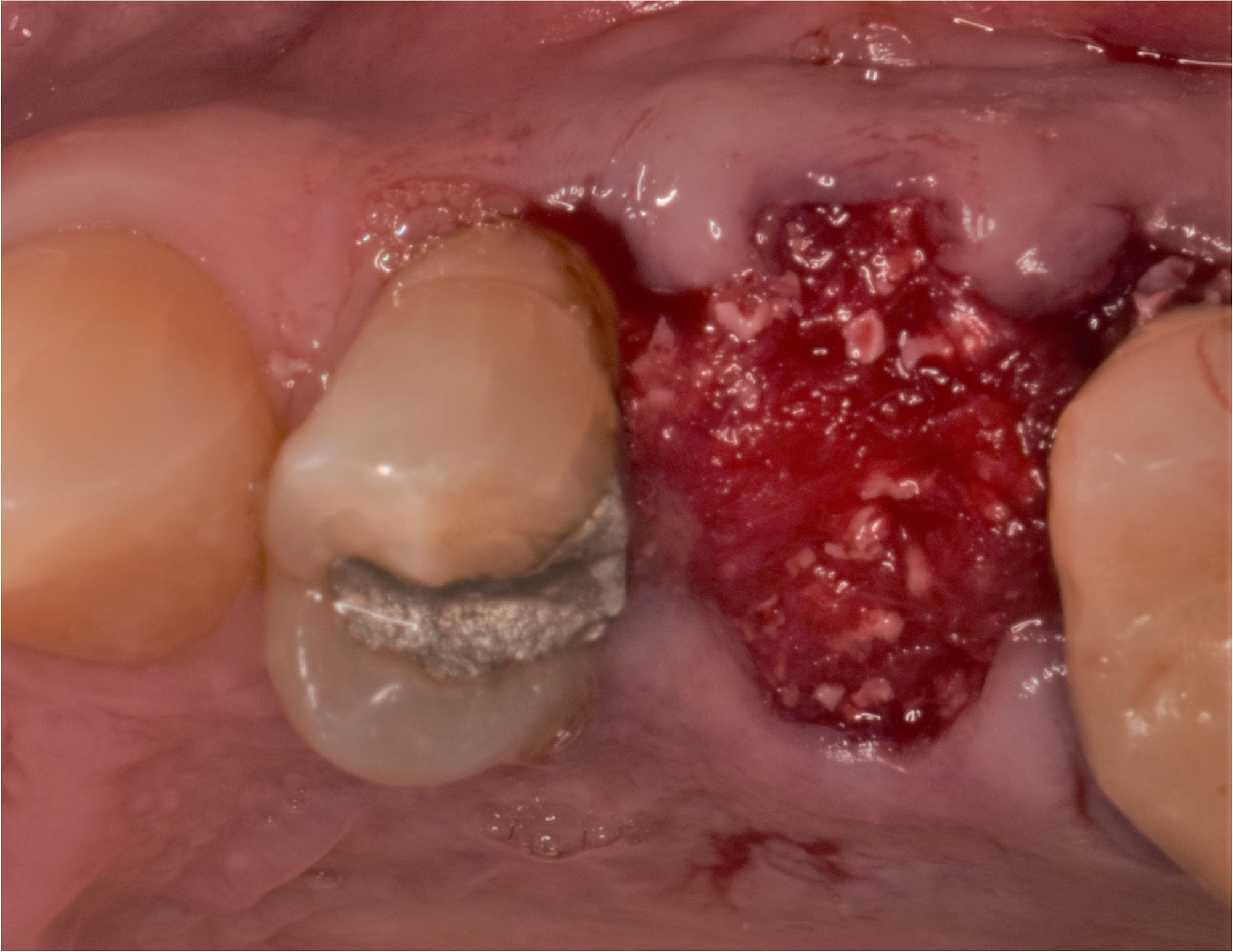
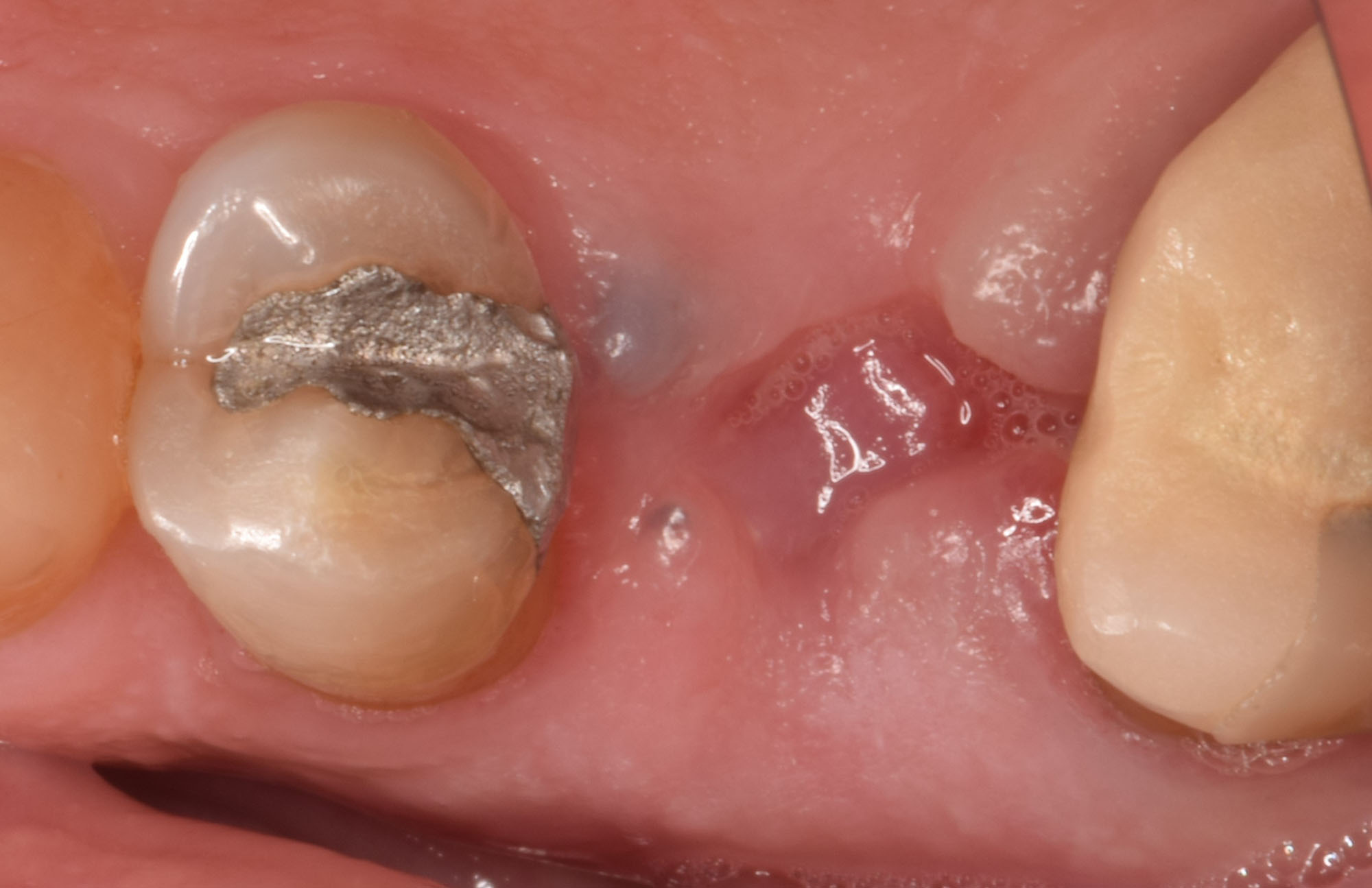
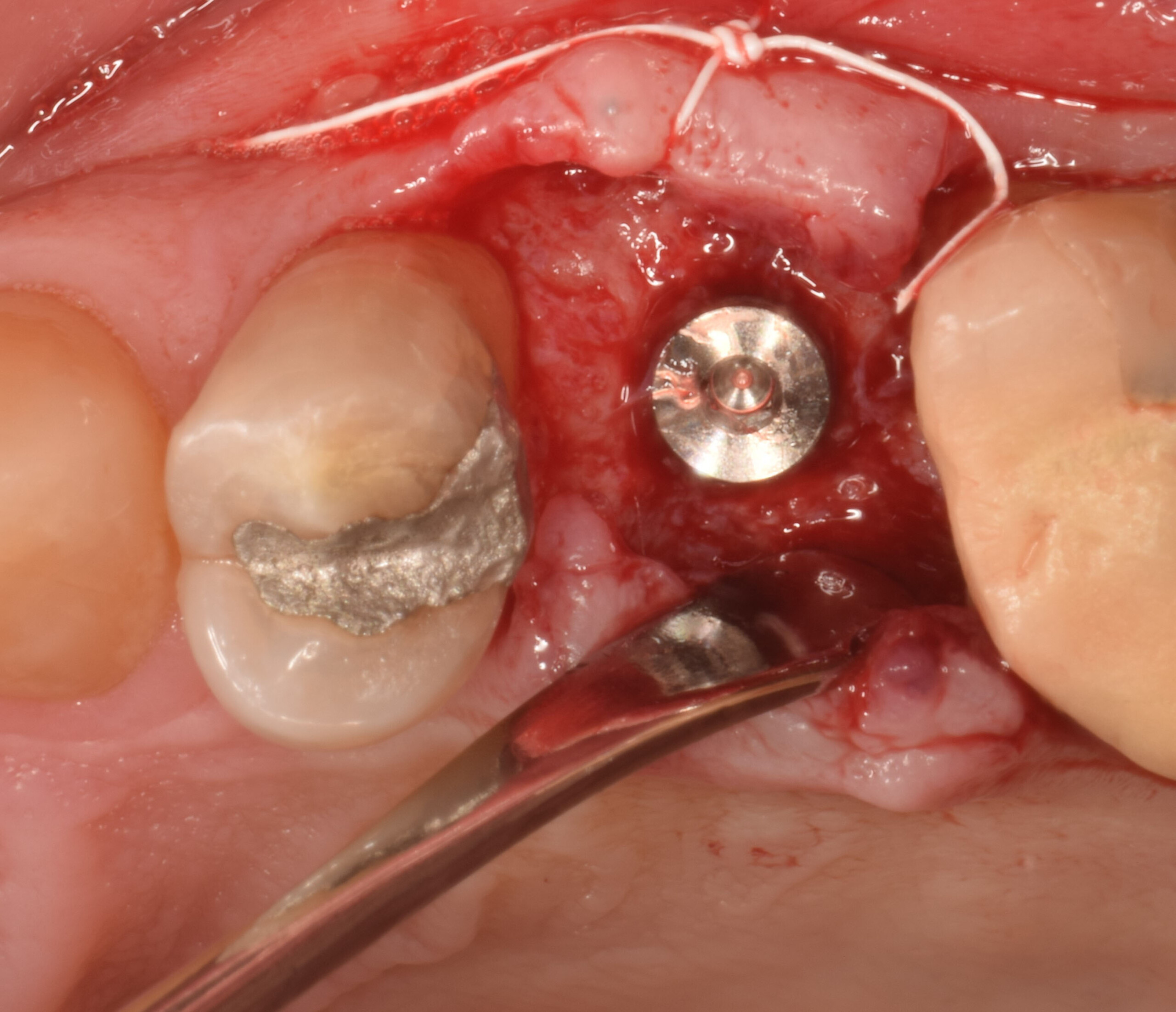
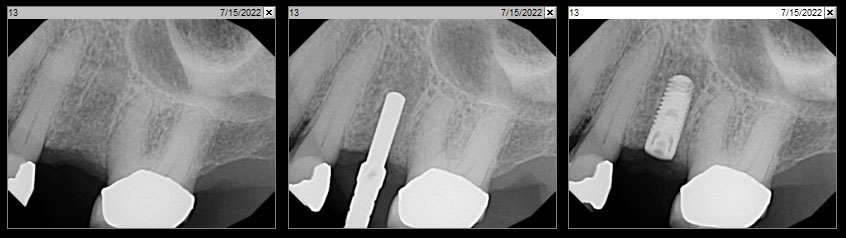
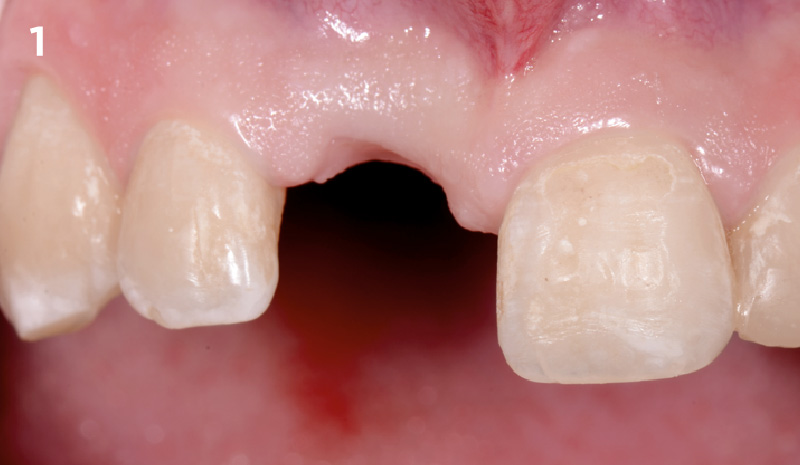
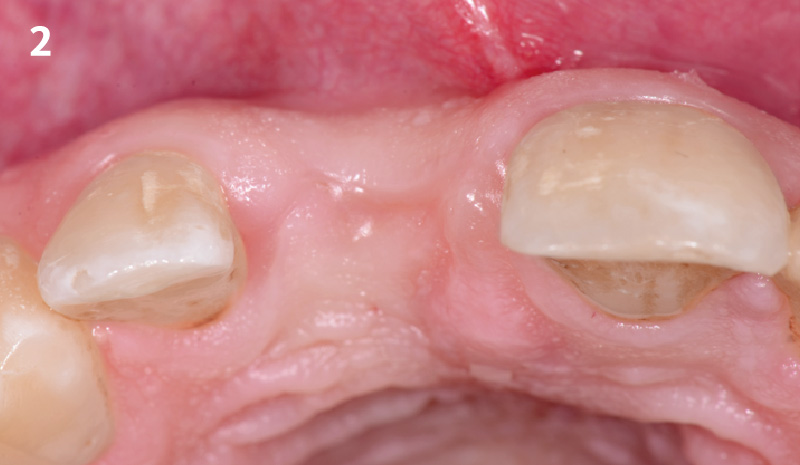
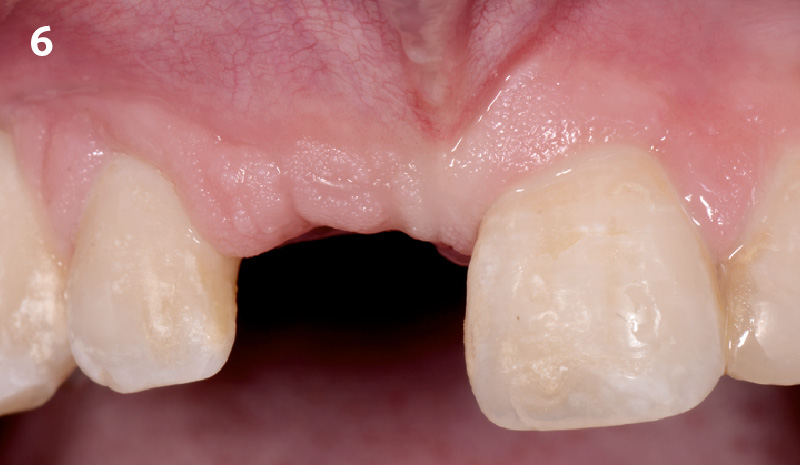
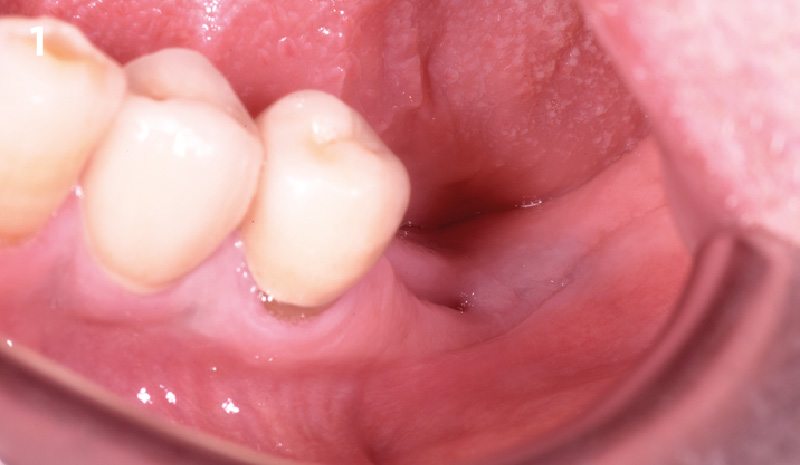
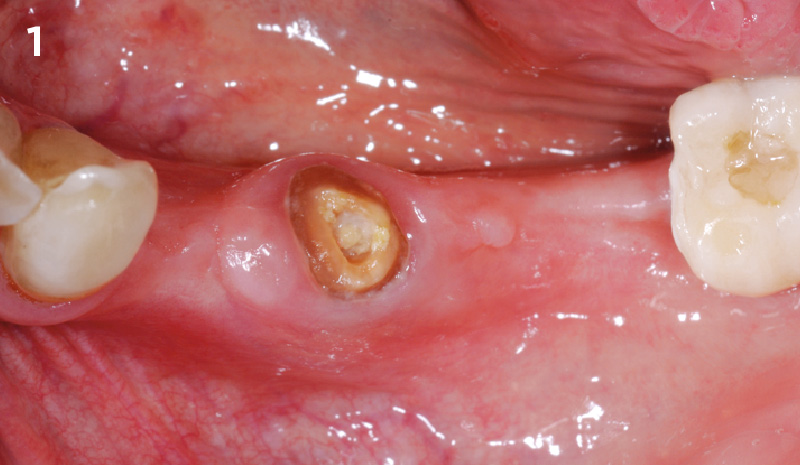
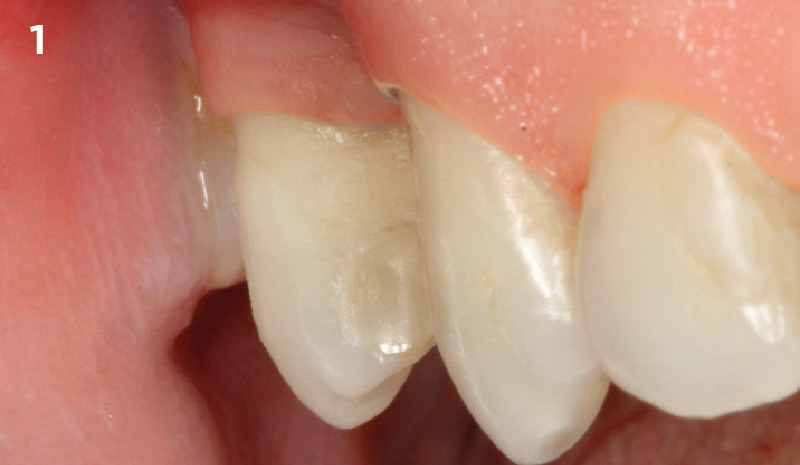
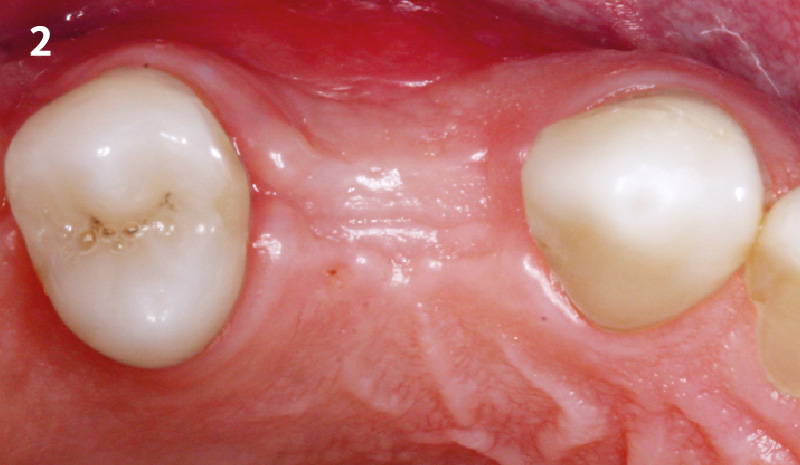
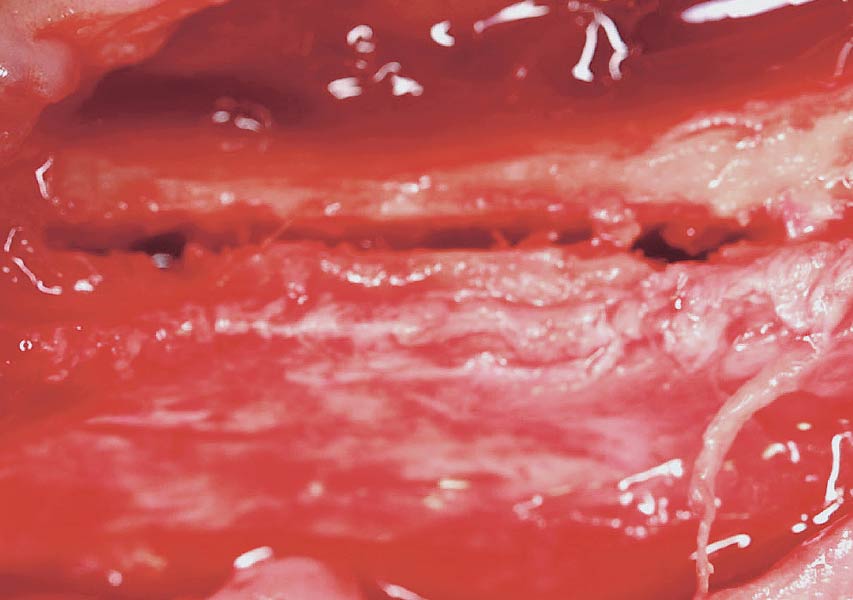
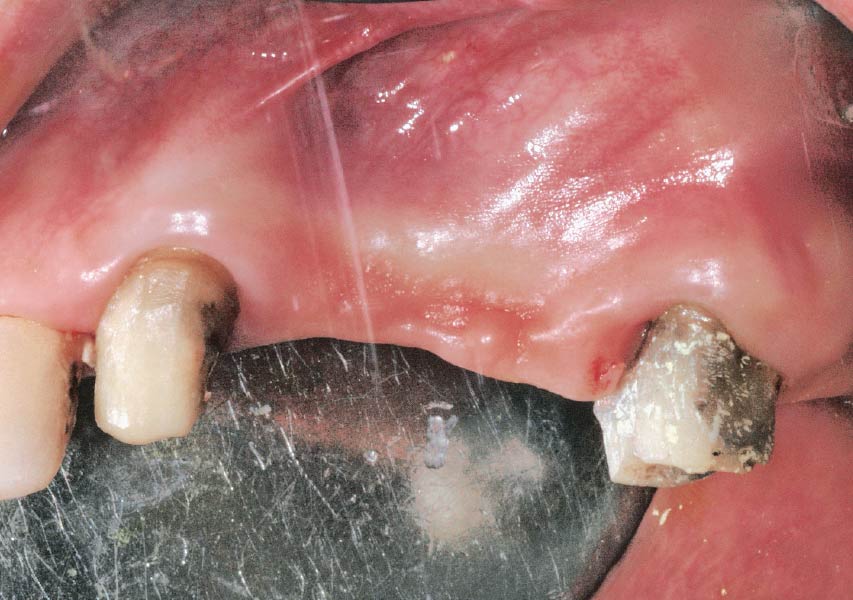
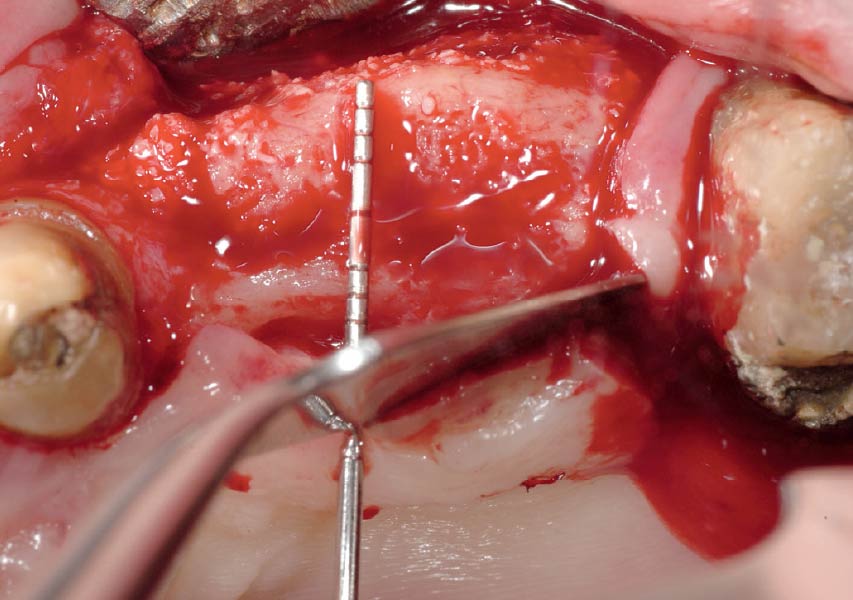
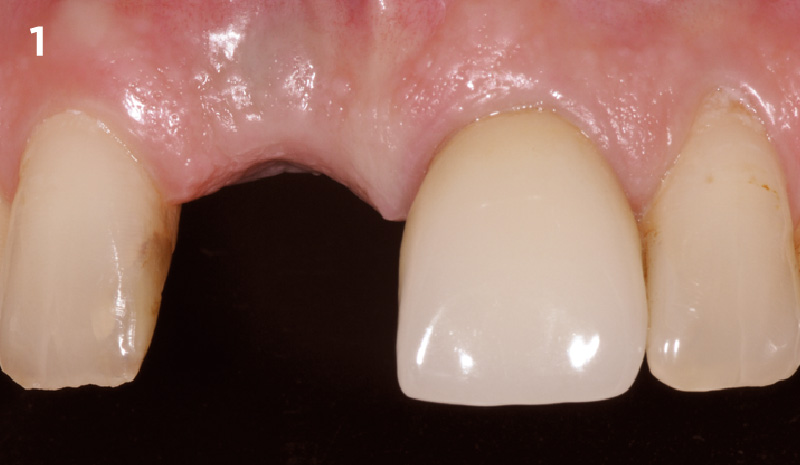
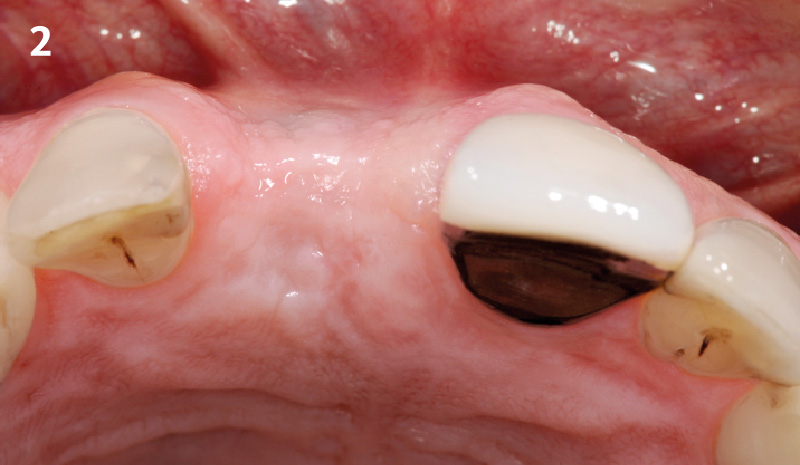
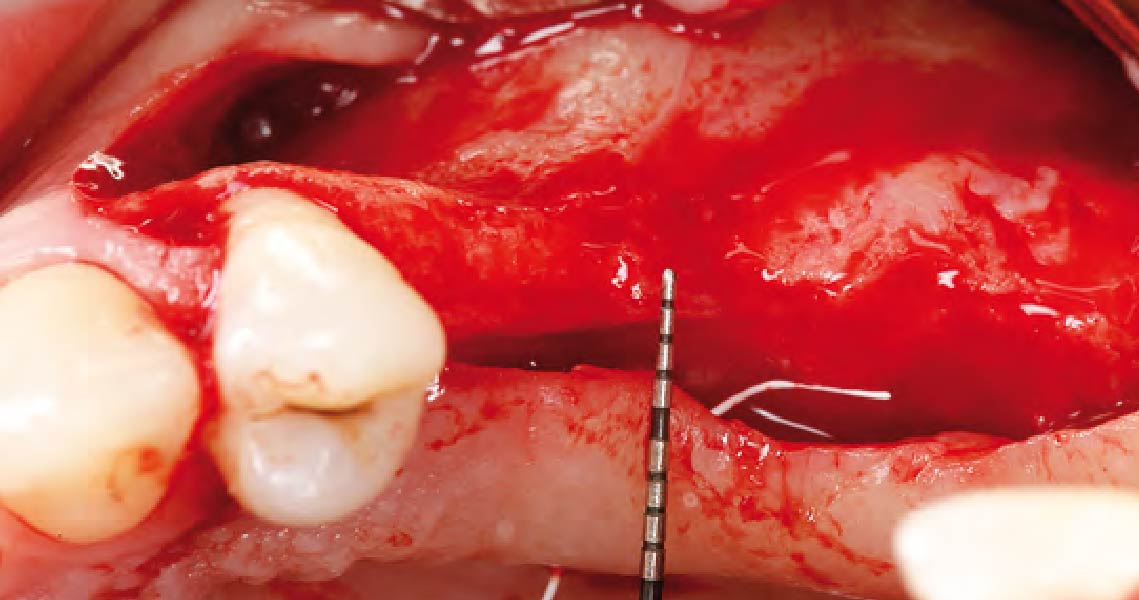
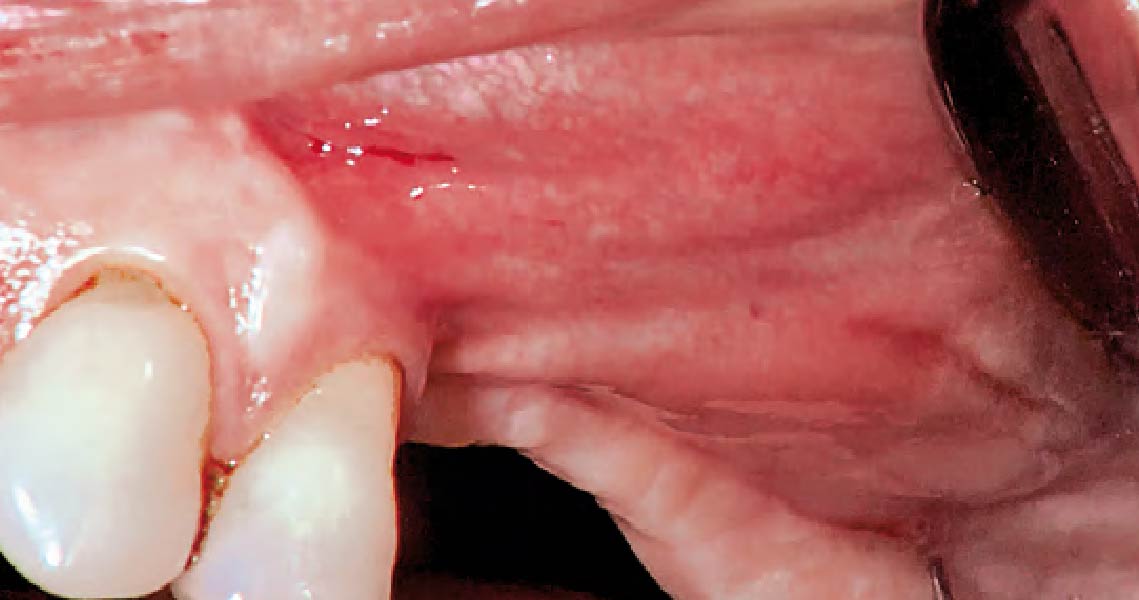
The upper premolar had to be removed due to advanced periodontal disease and severe bone loss around the infected tooth. The bone defect was an intra-alveolar defect without dehiscence or fenestration.
AIM/APPROACH:
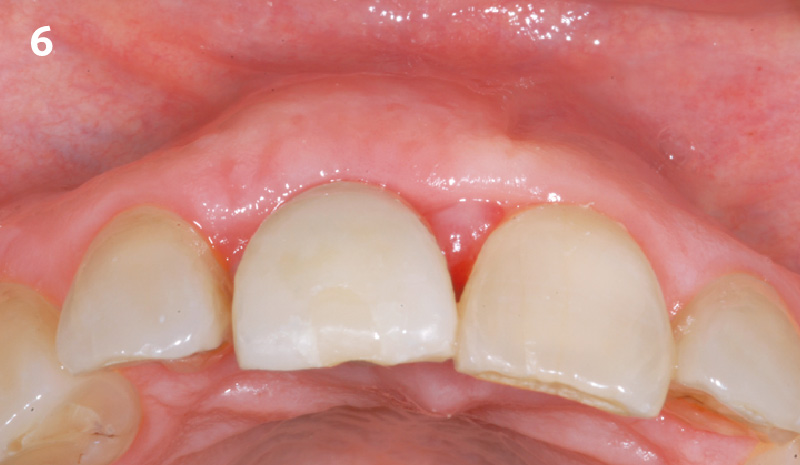
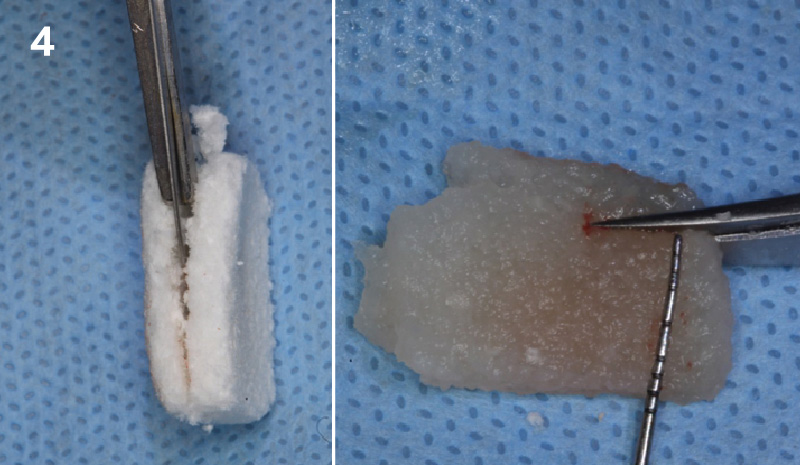
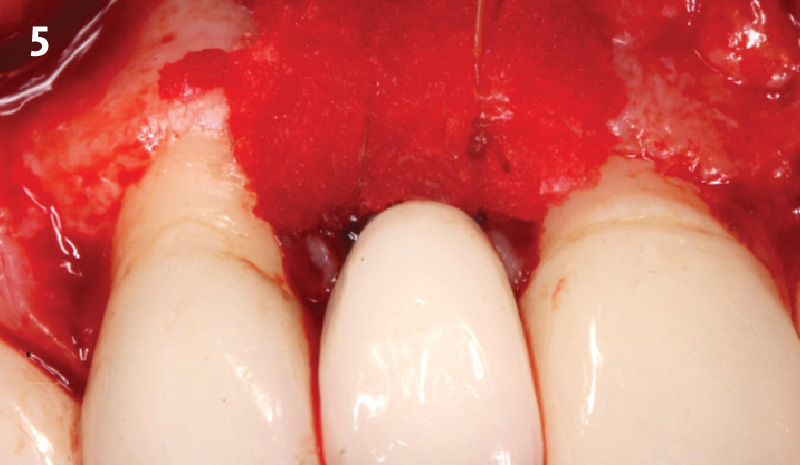
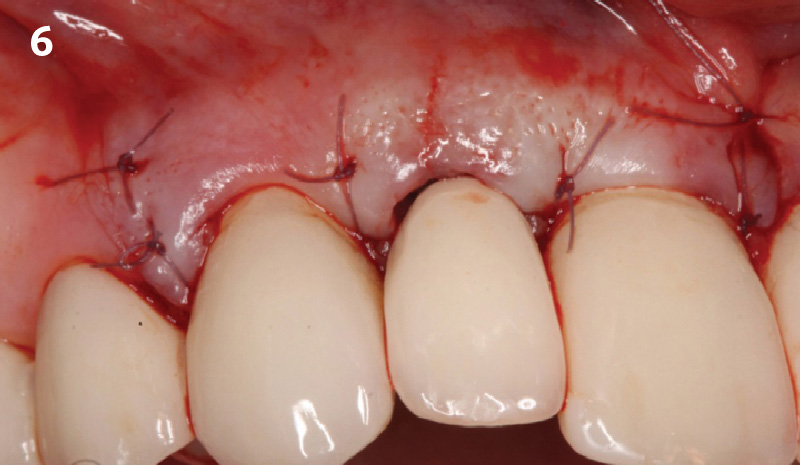
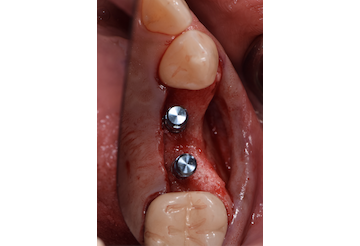
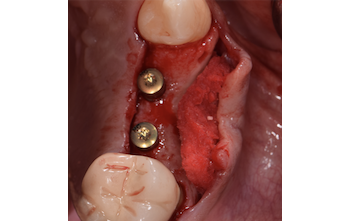
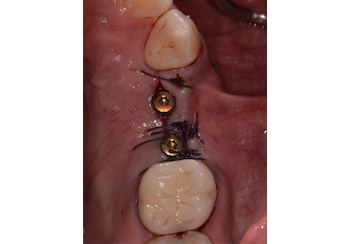
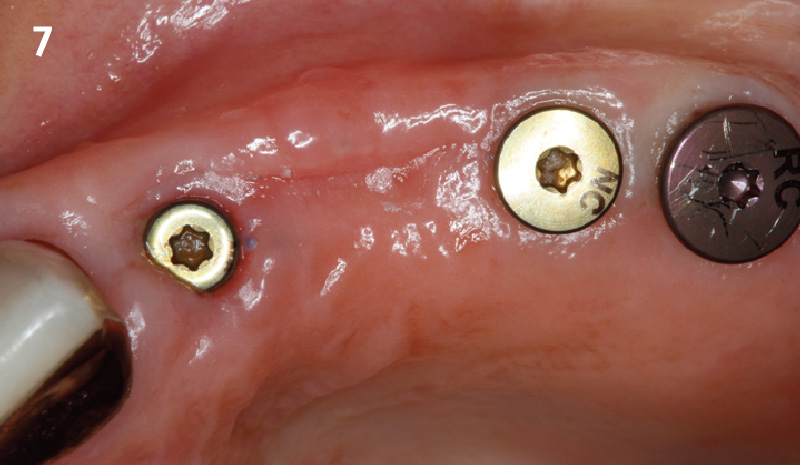
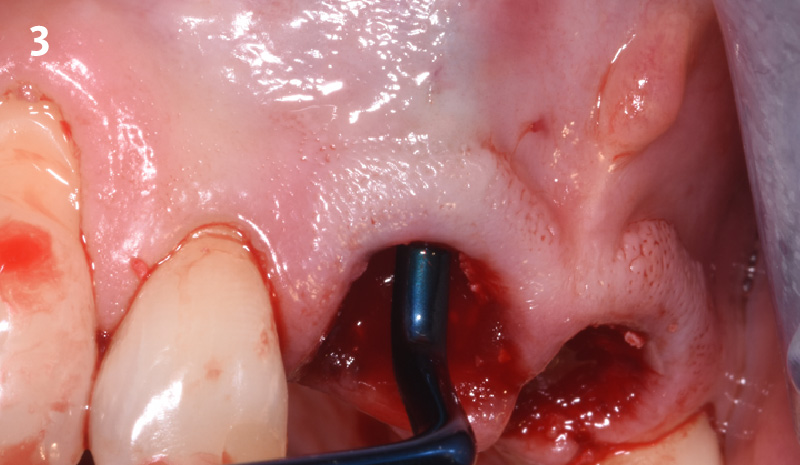
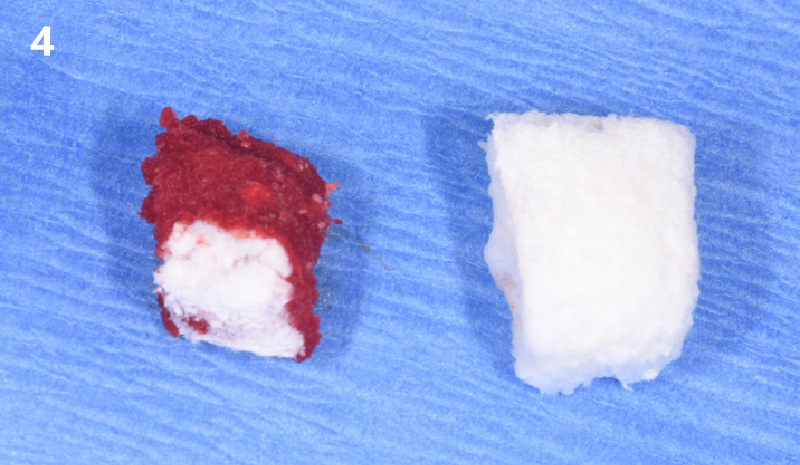
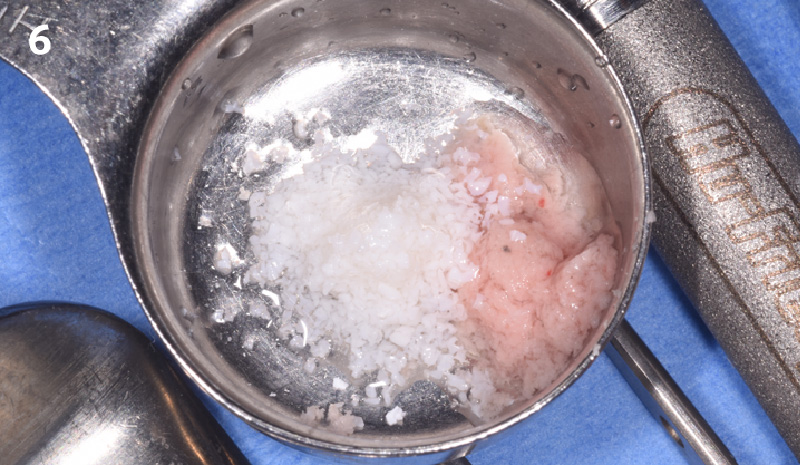
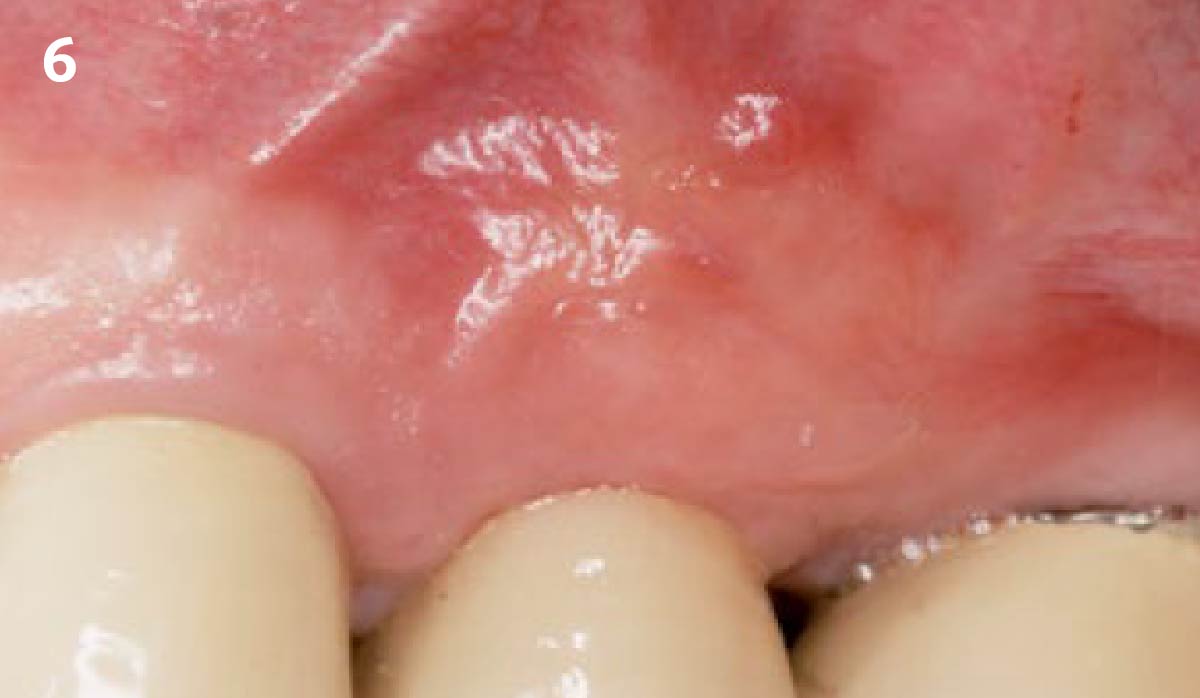
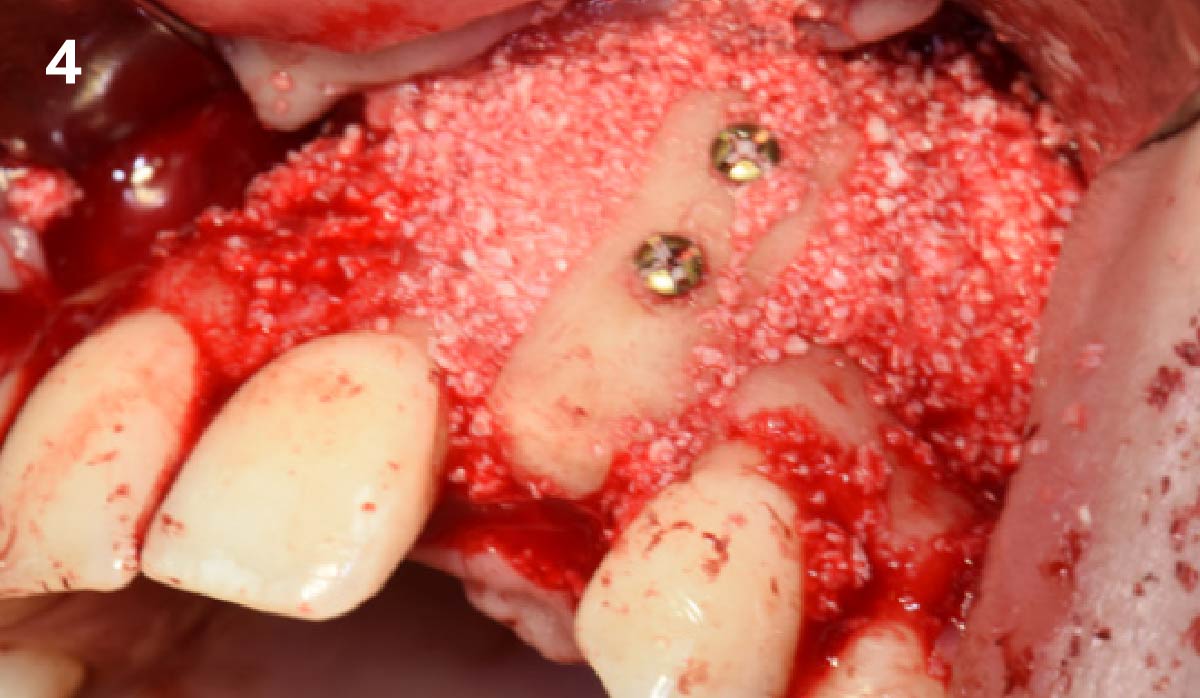
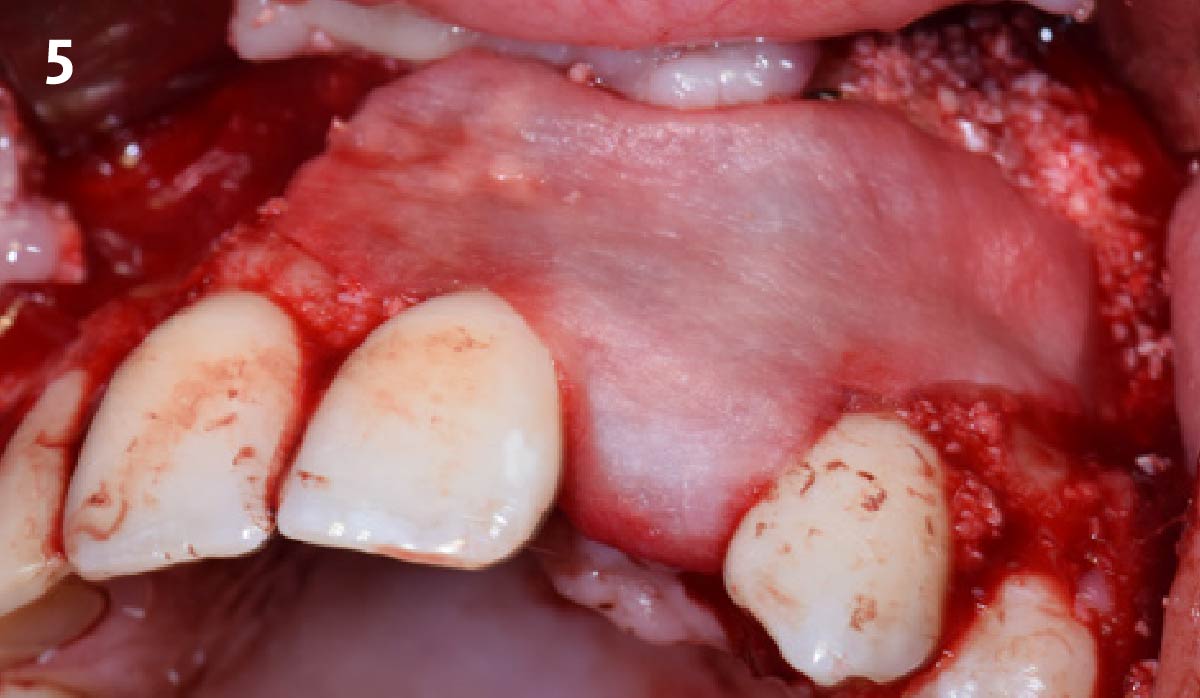
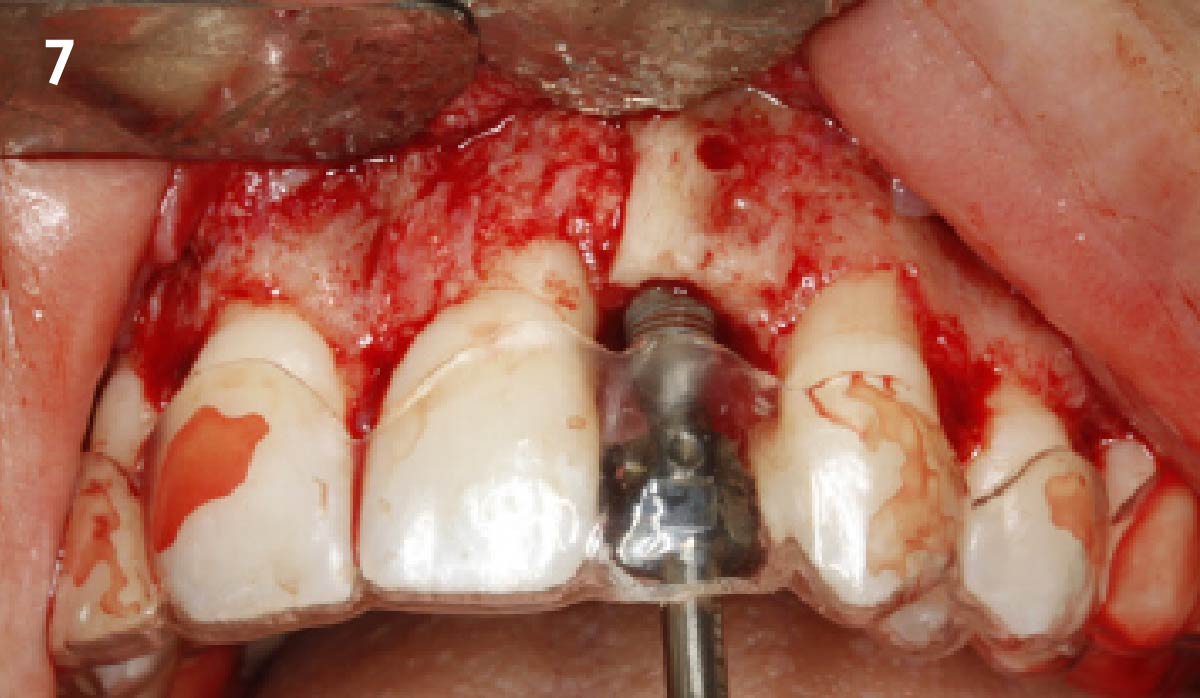
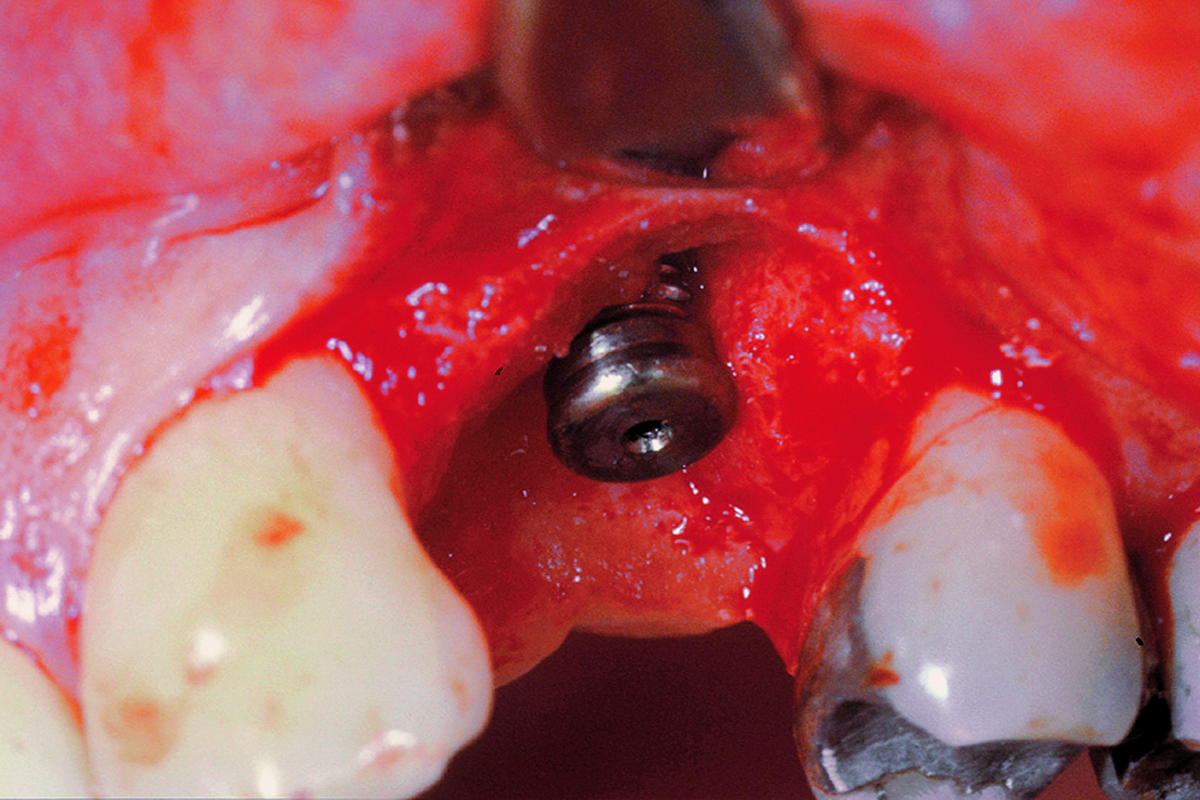
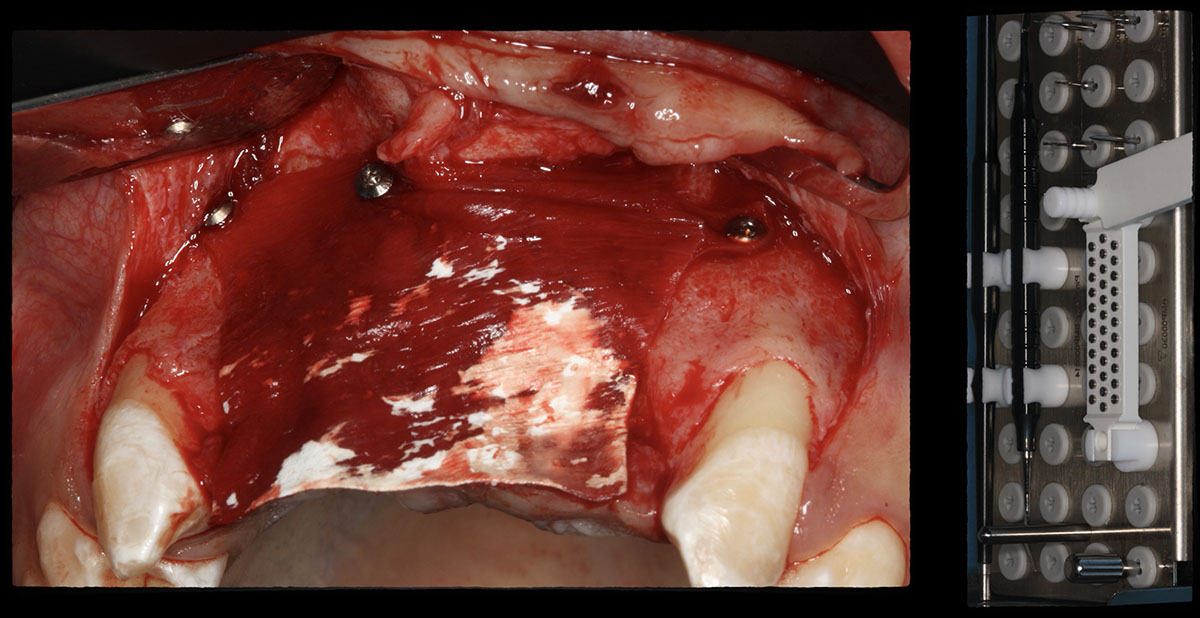
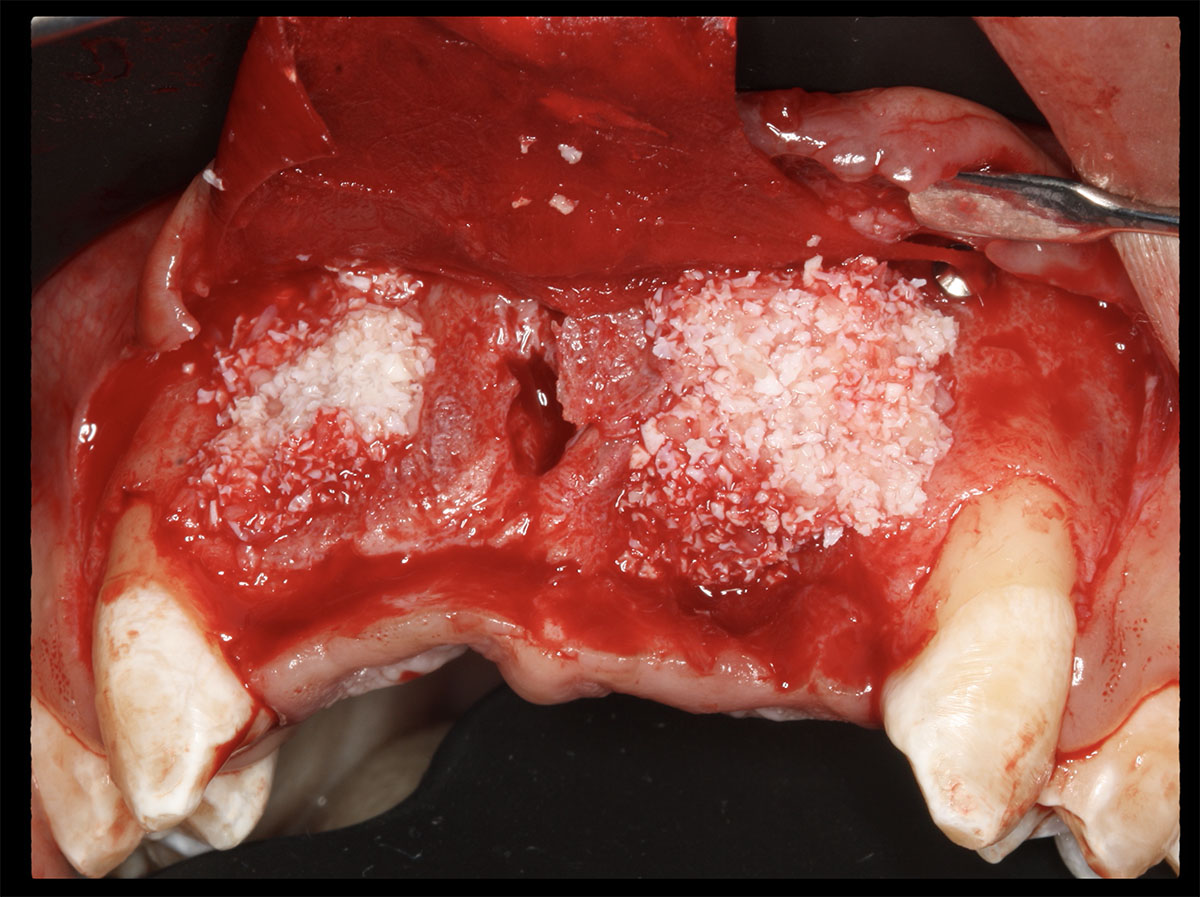
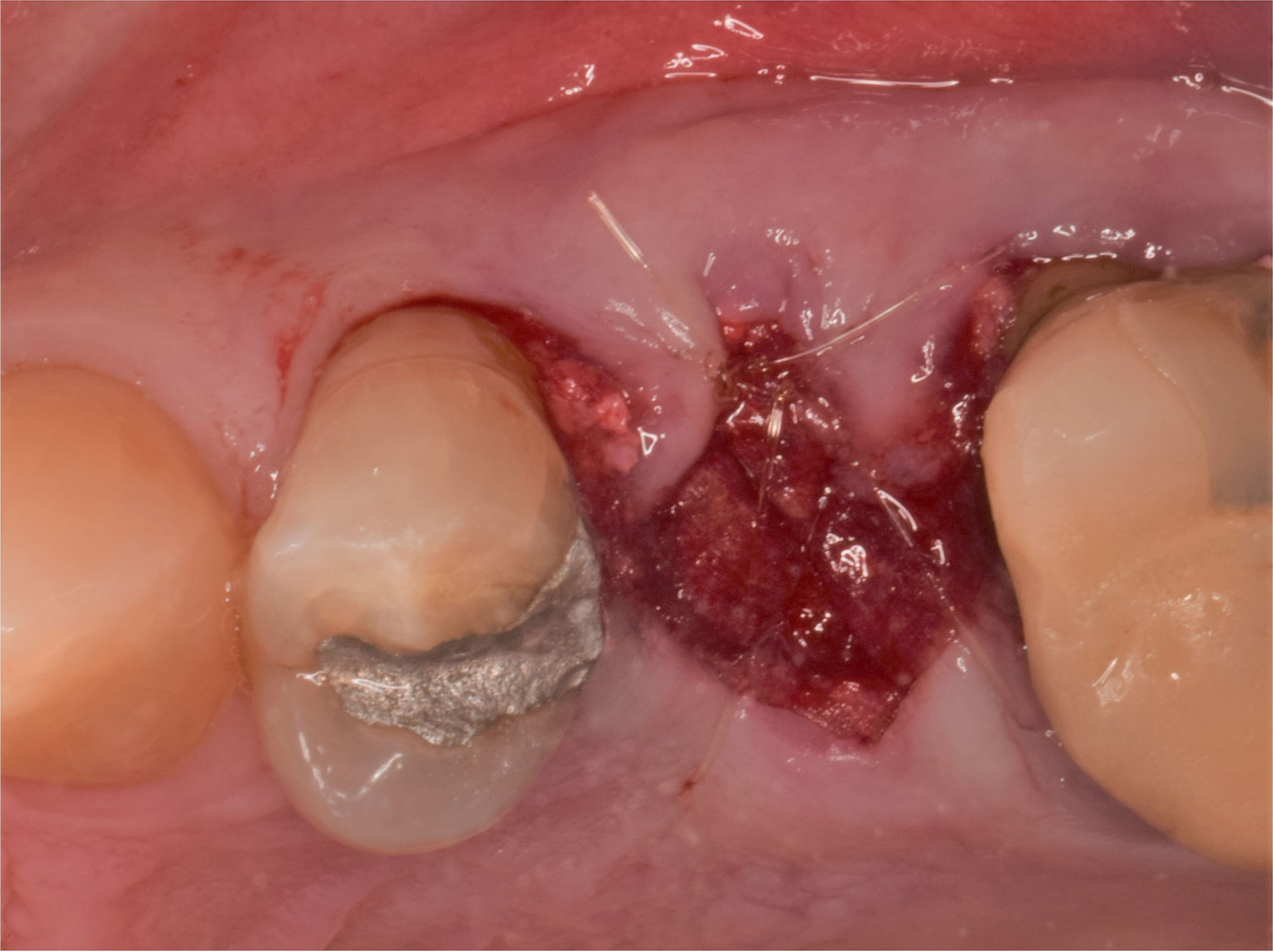
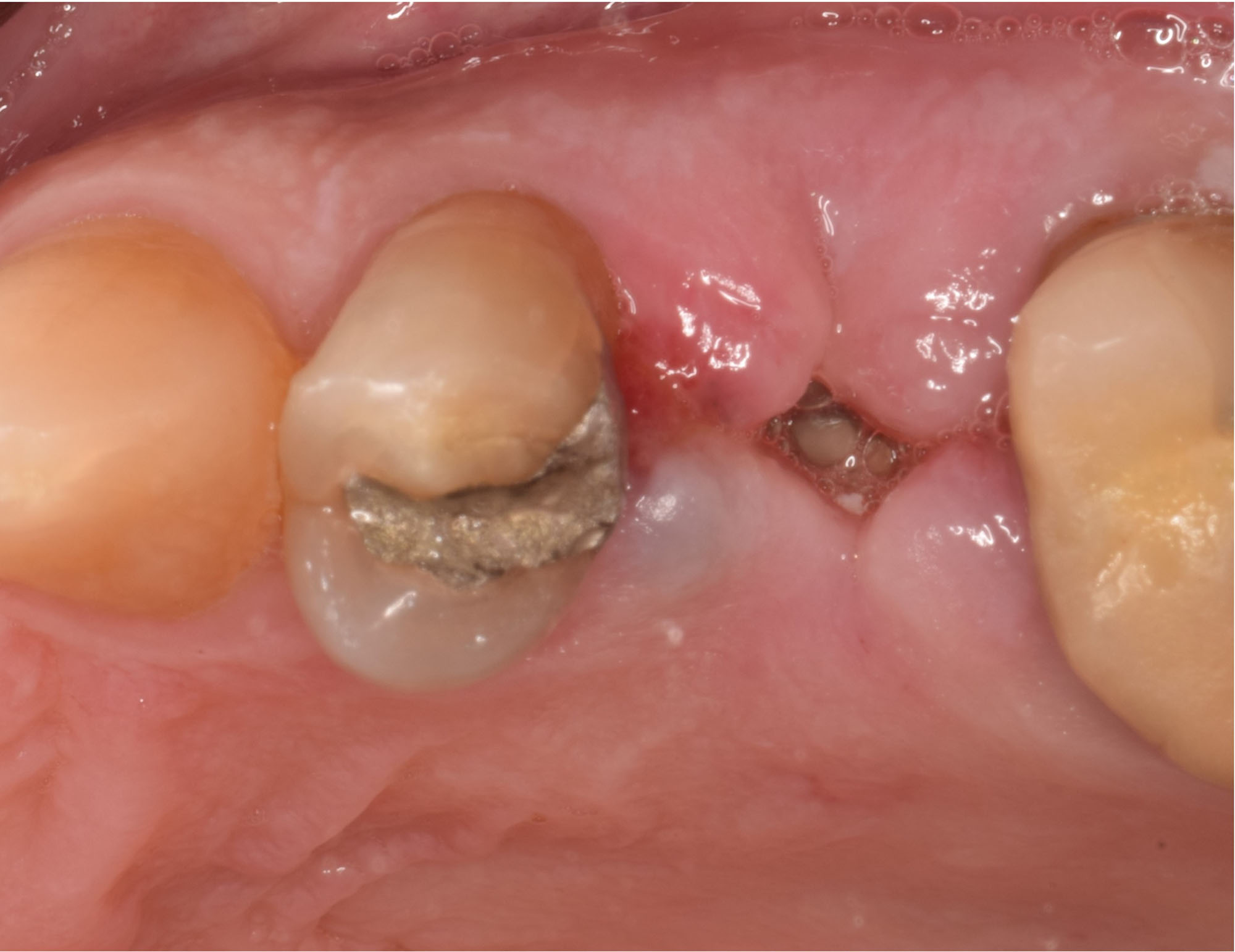
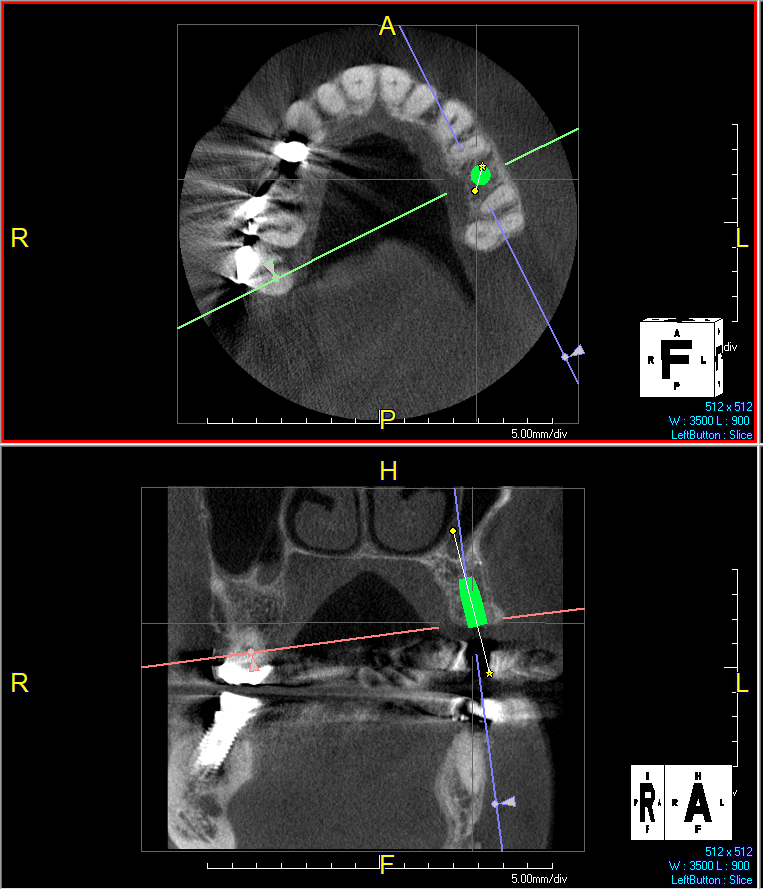
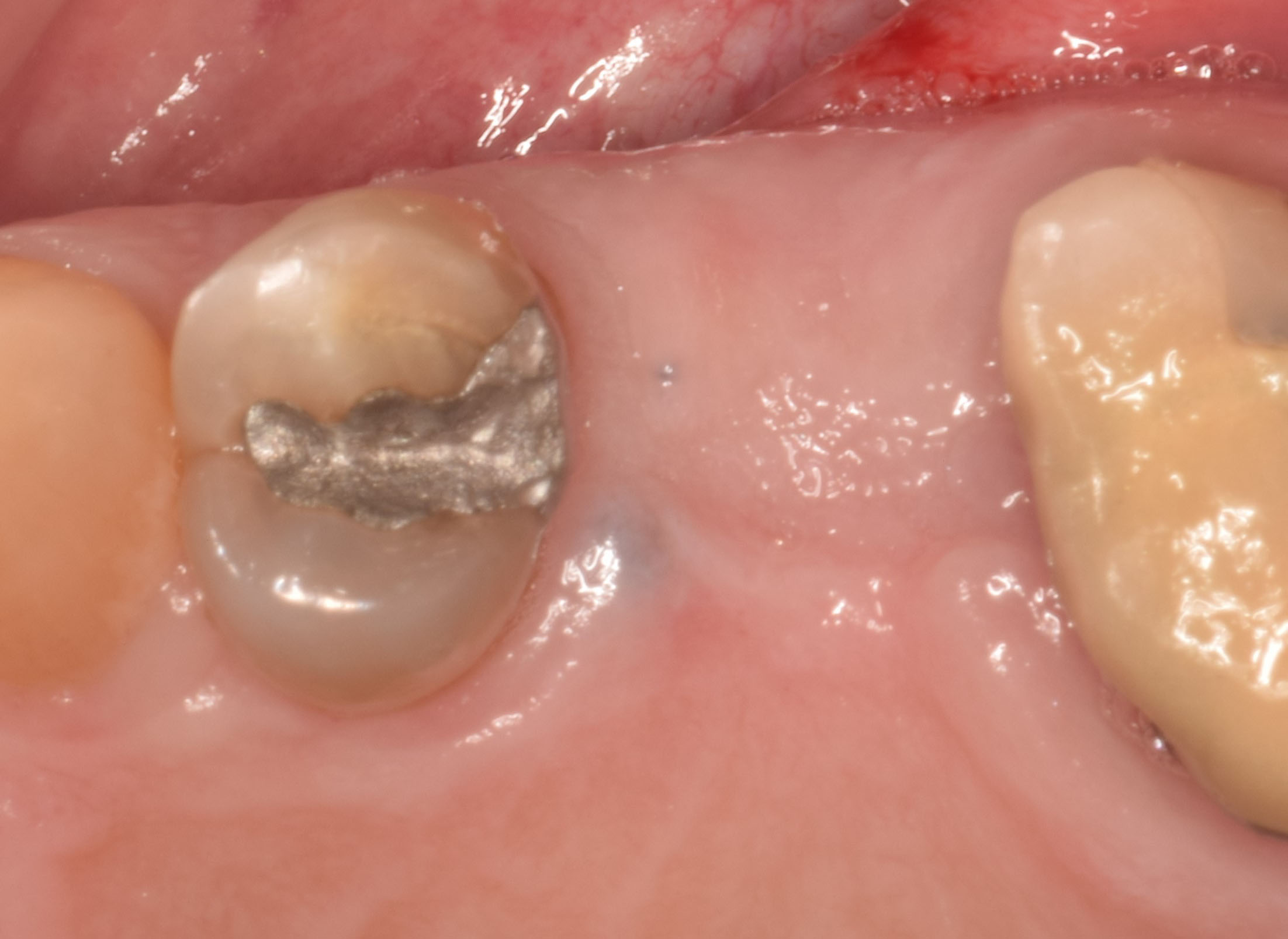
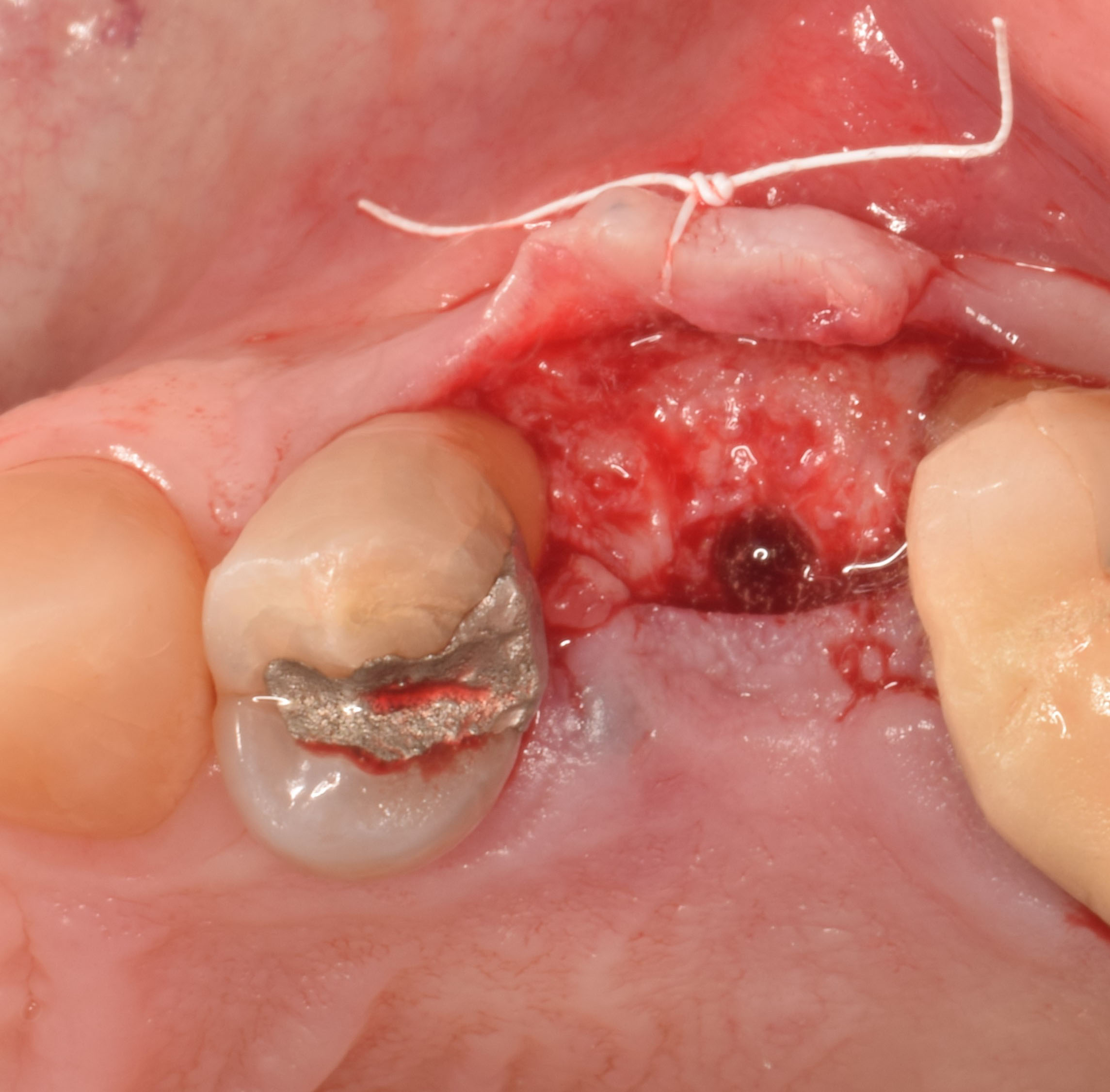
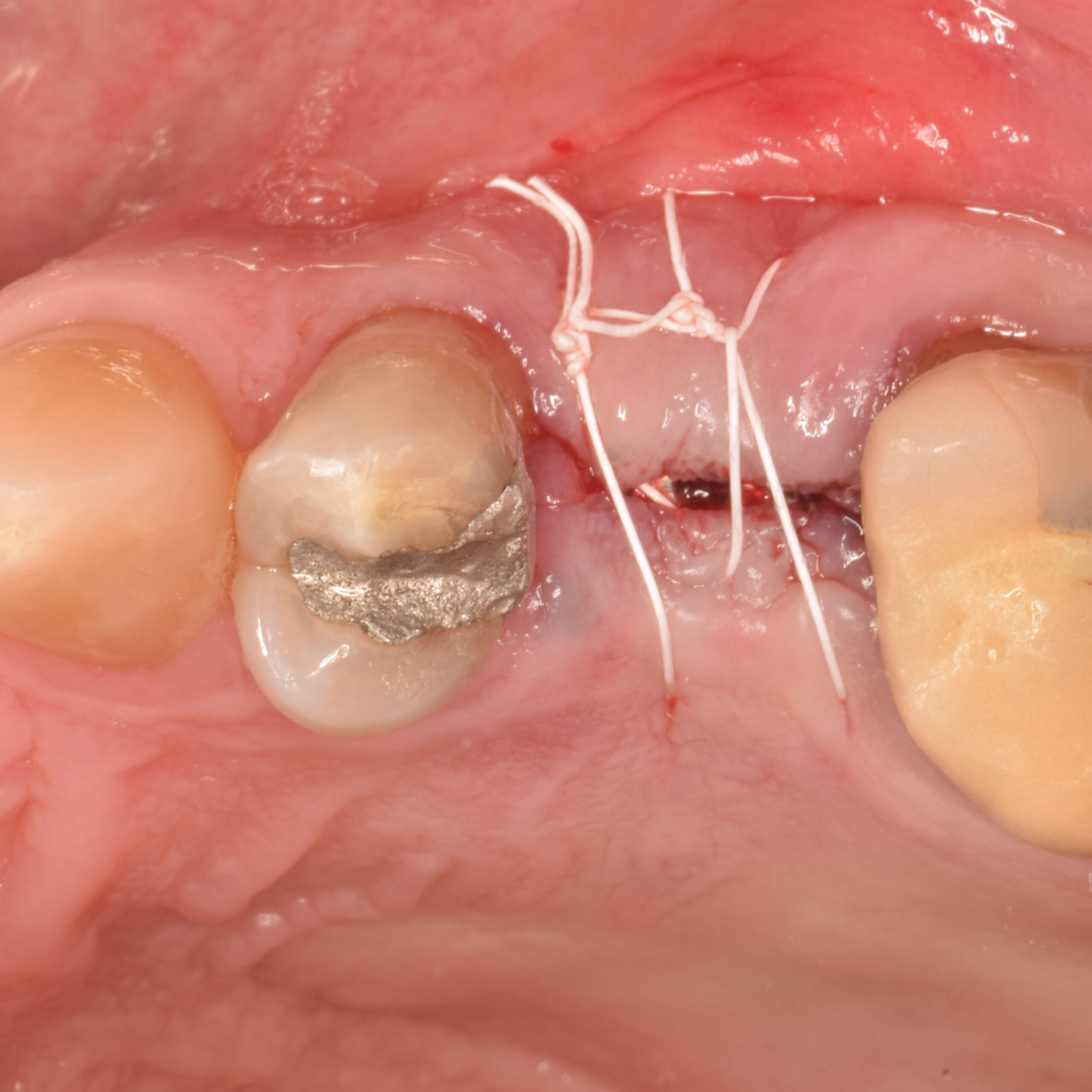
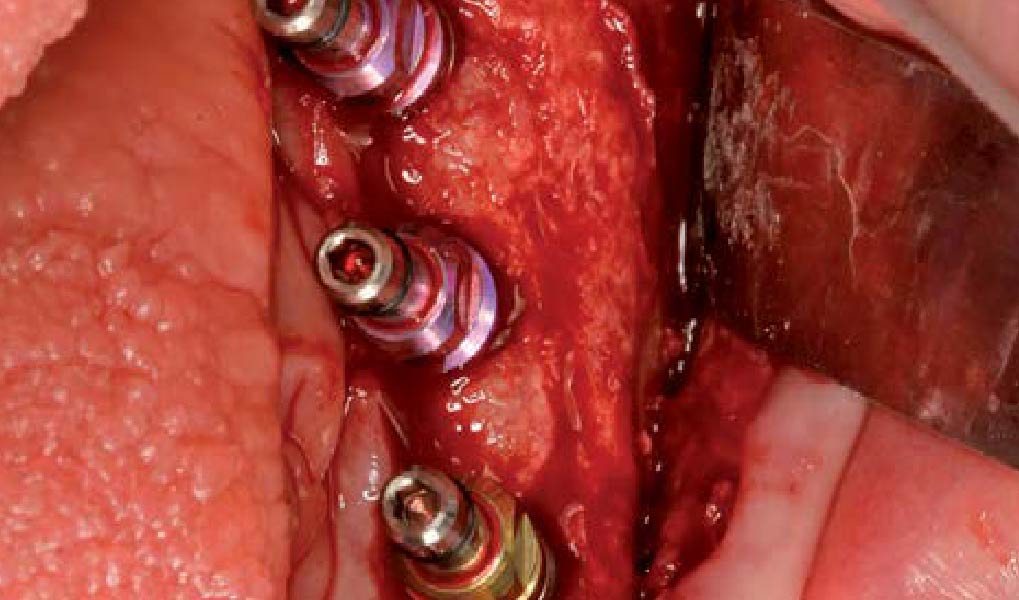
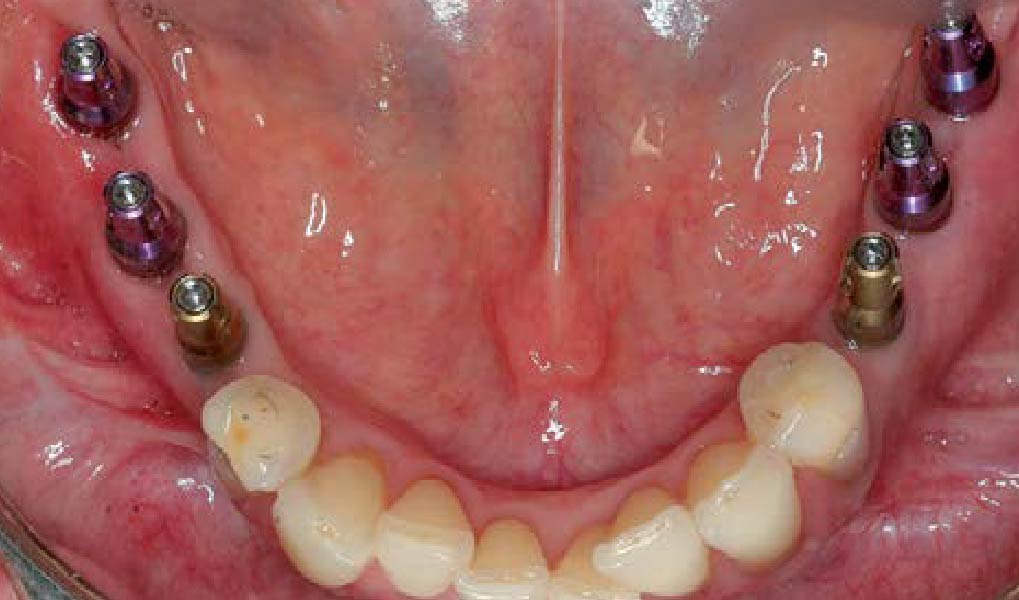
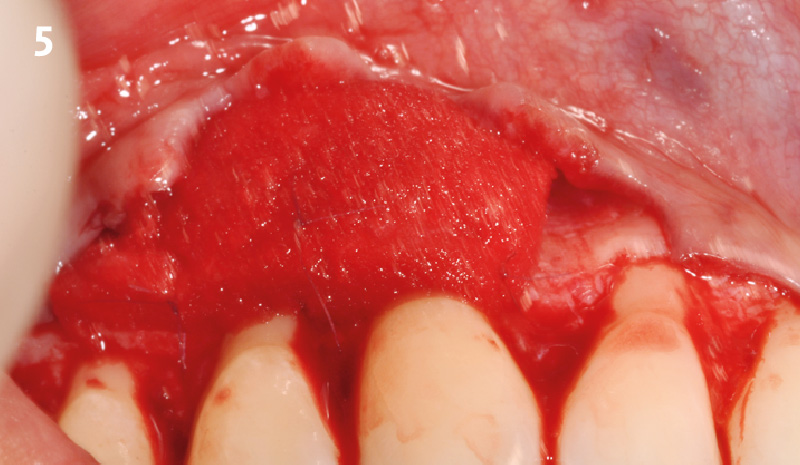
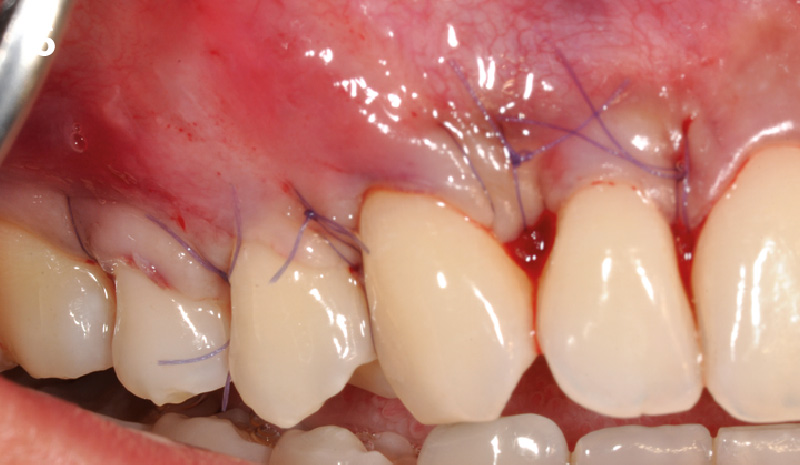
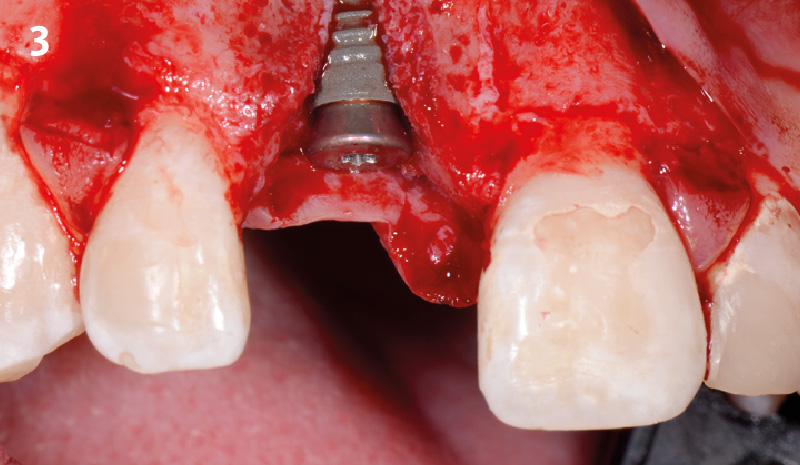
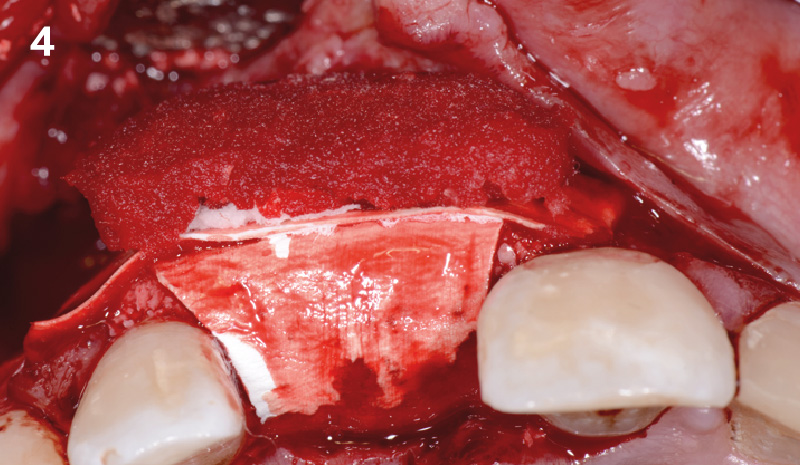
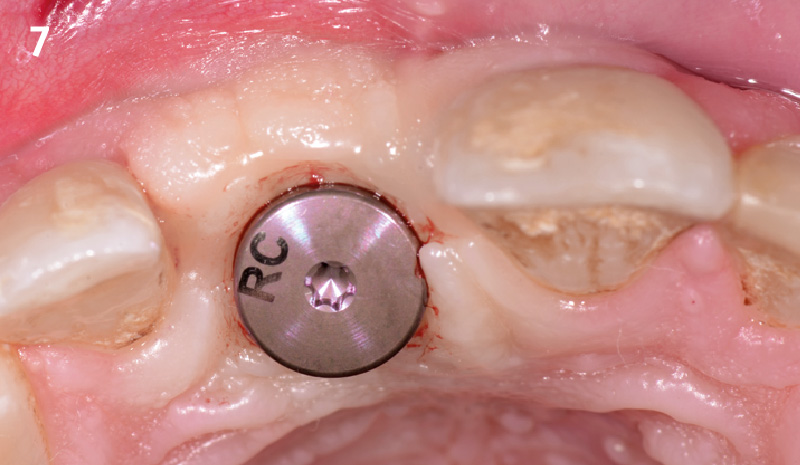
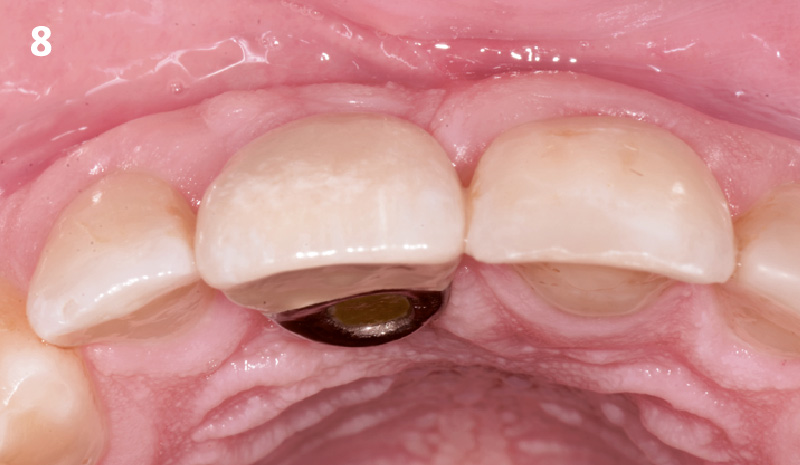
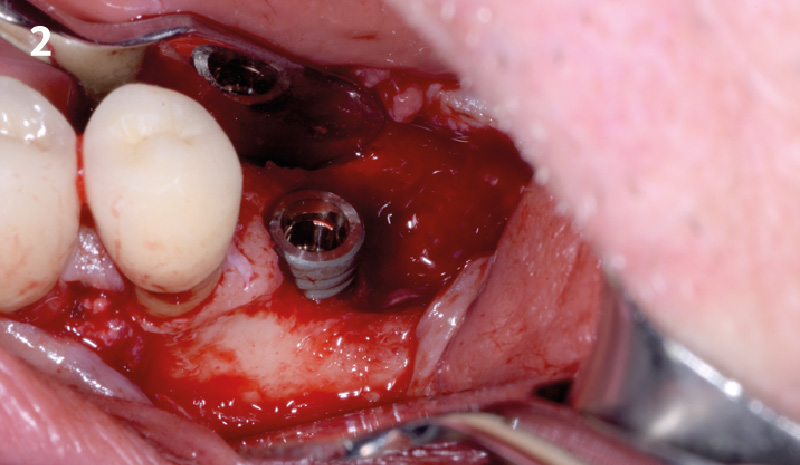
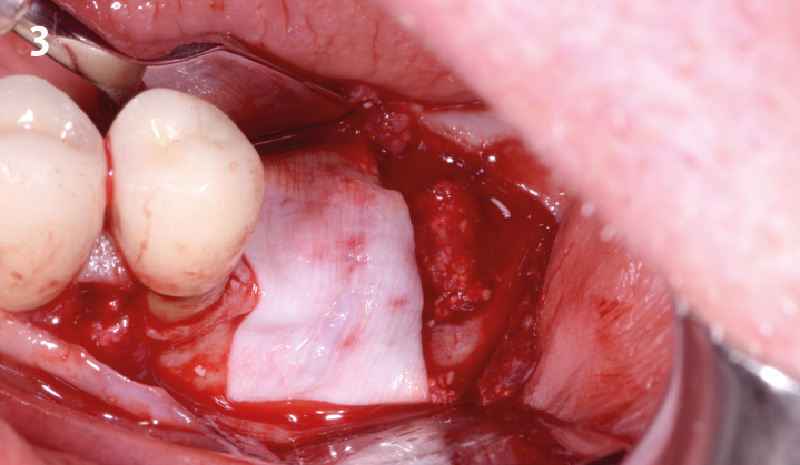
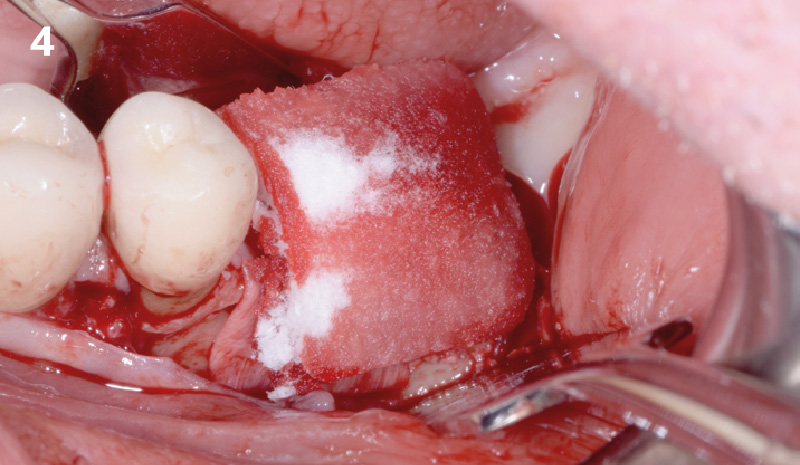
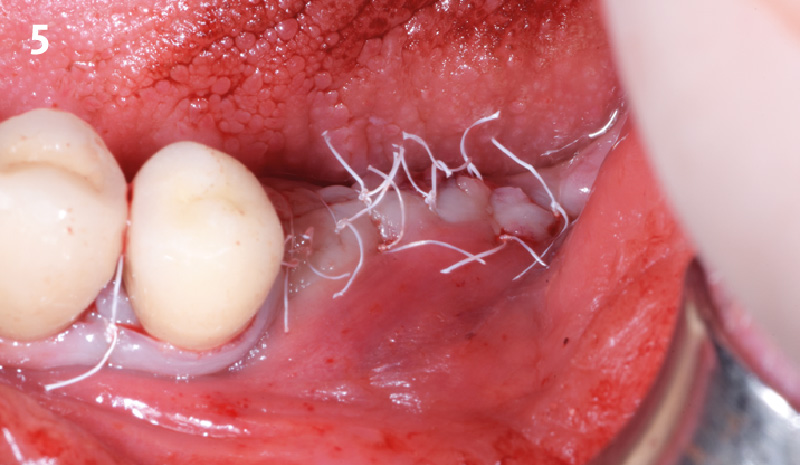
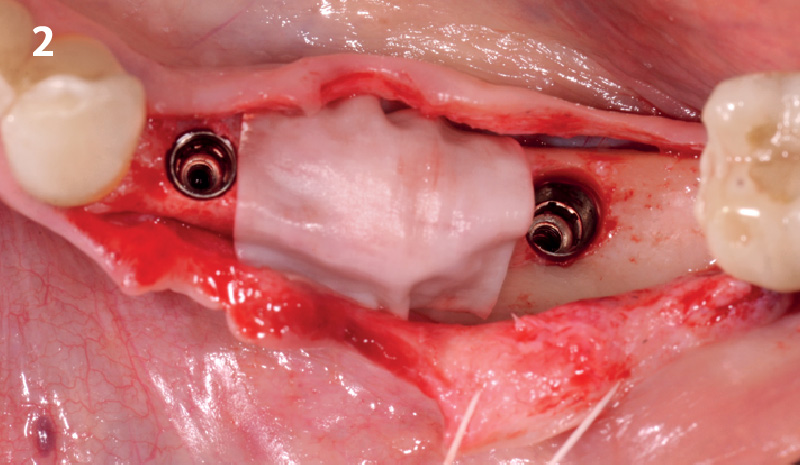
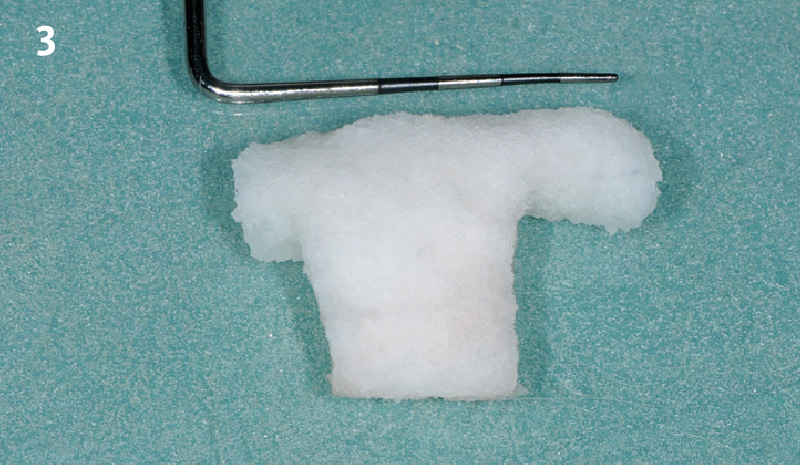
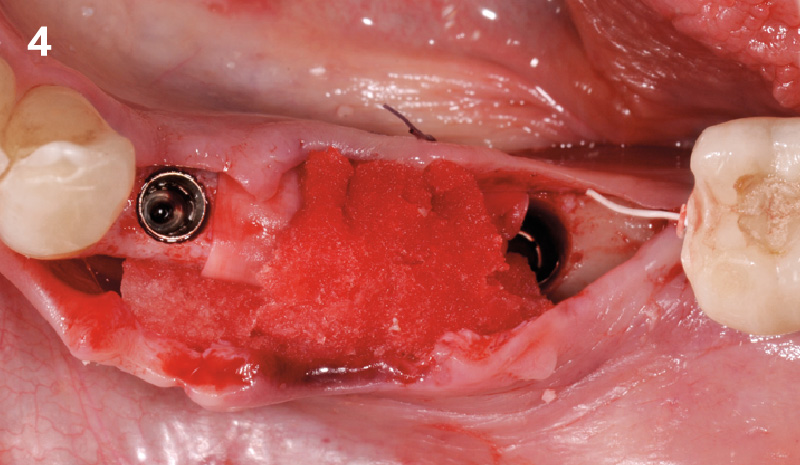
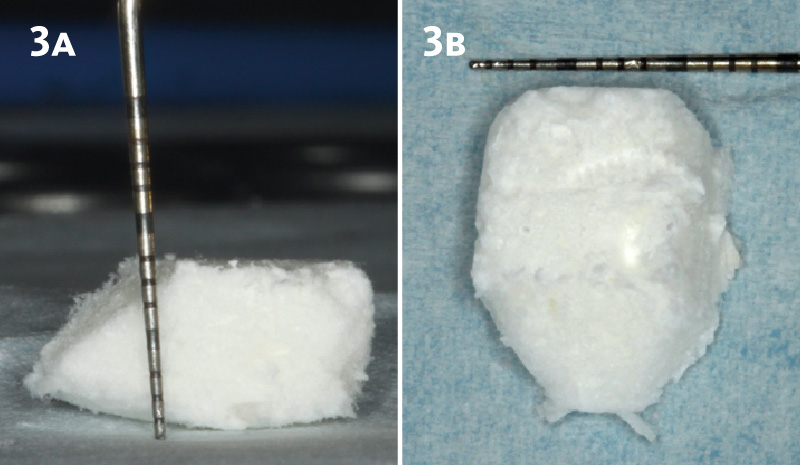
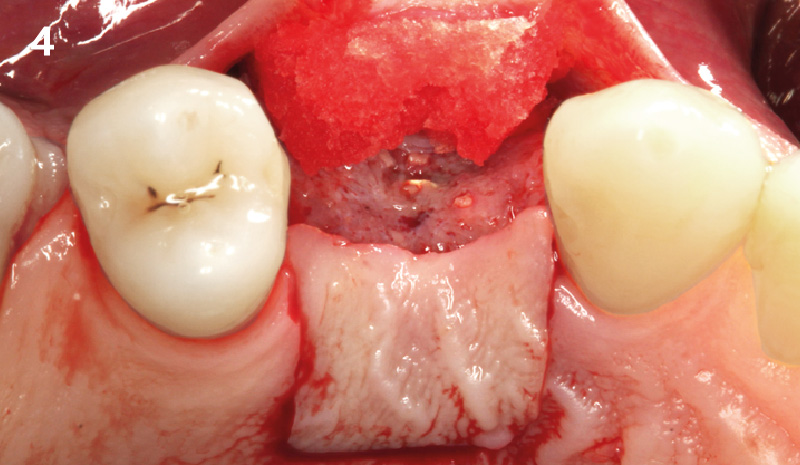
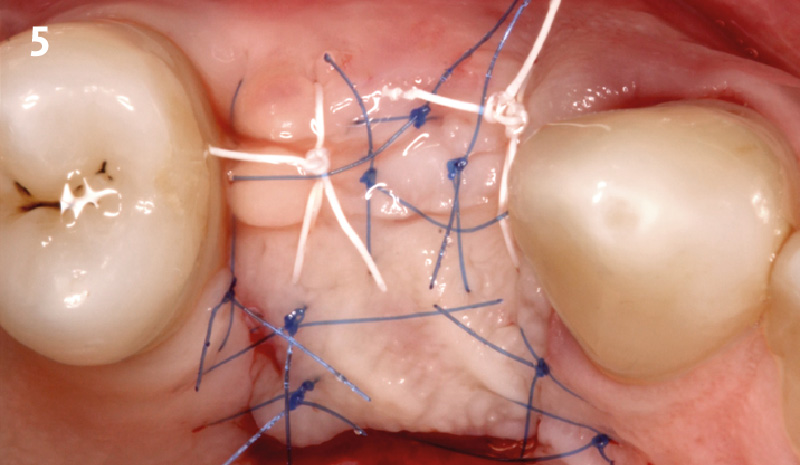
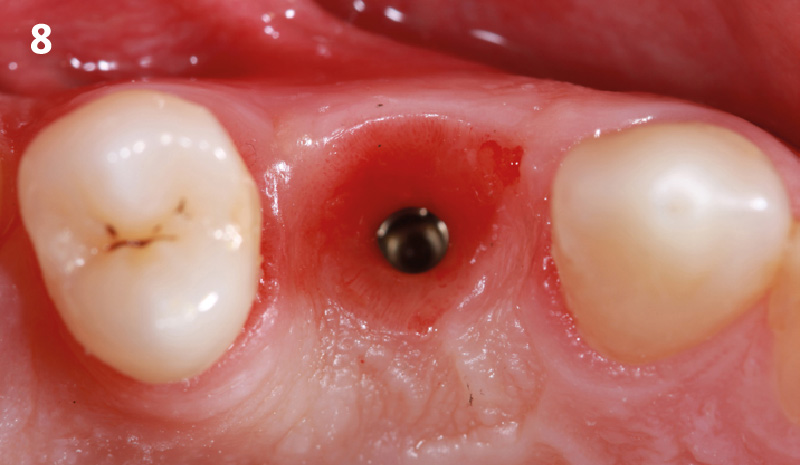
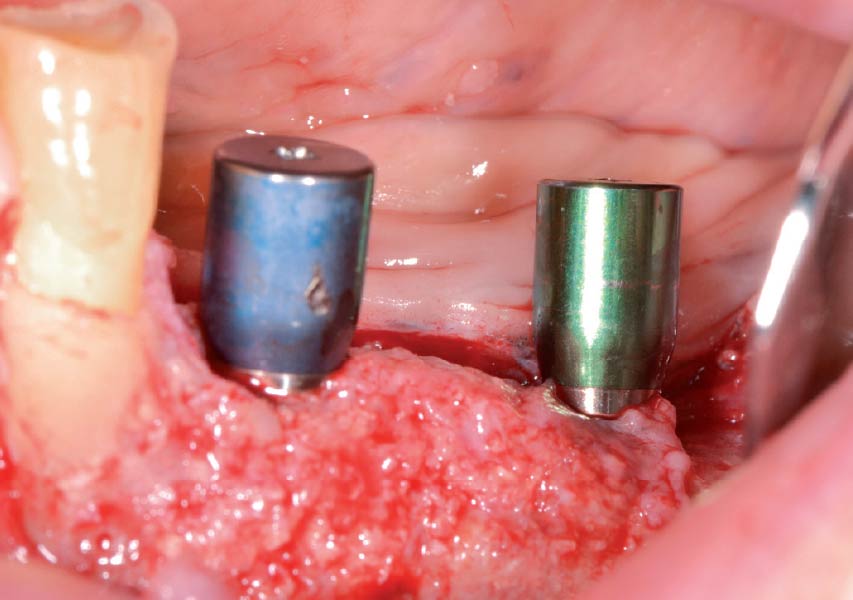
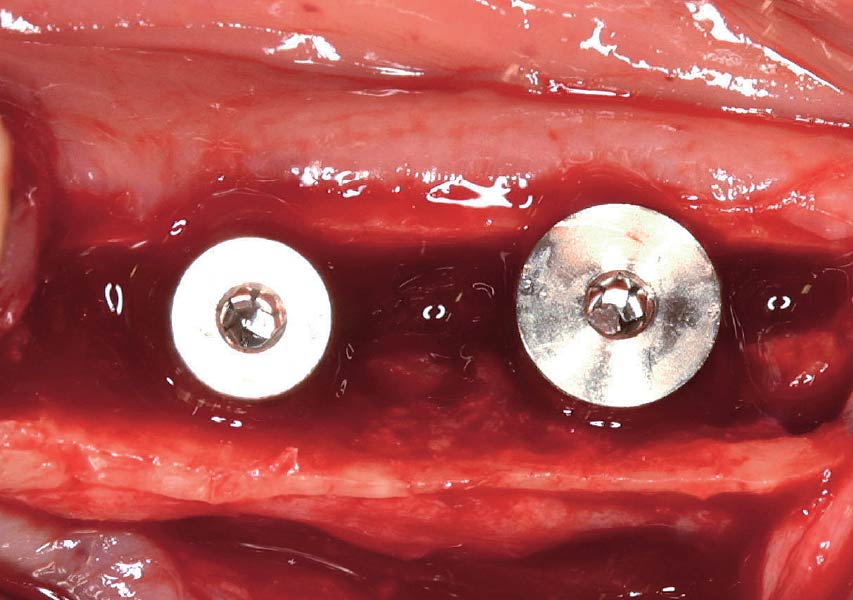
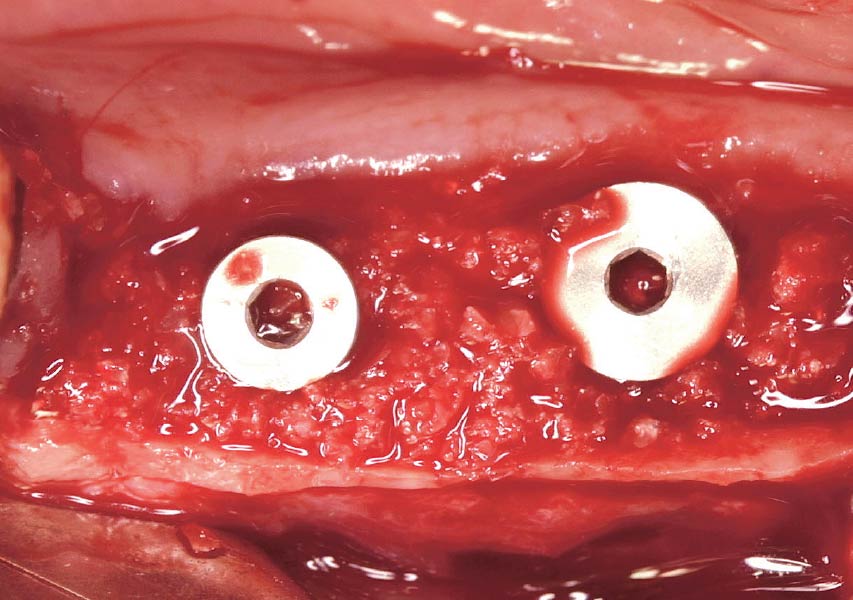
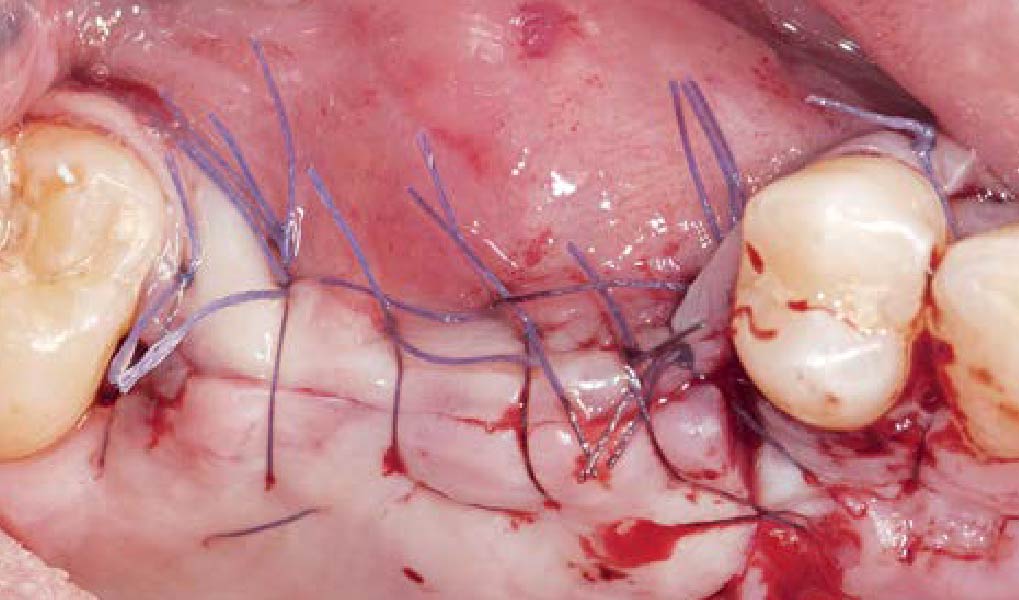
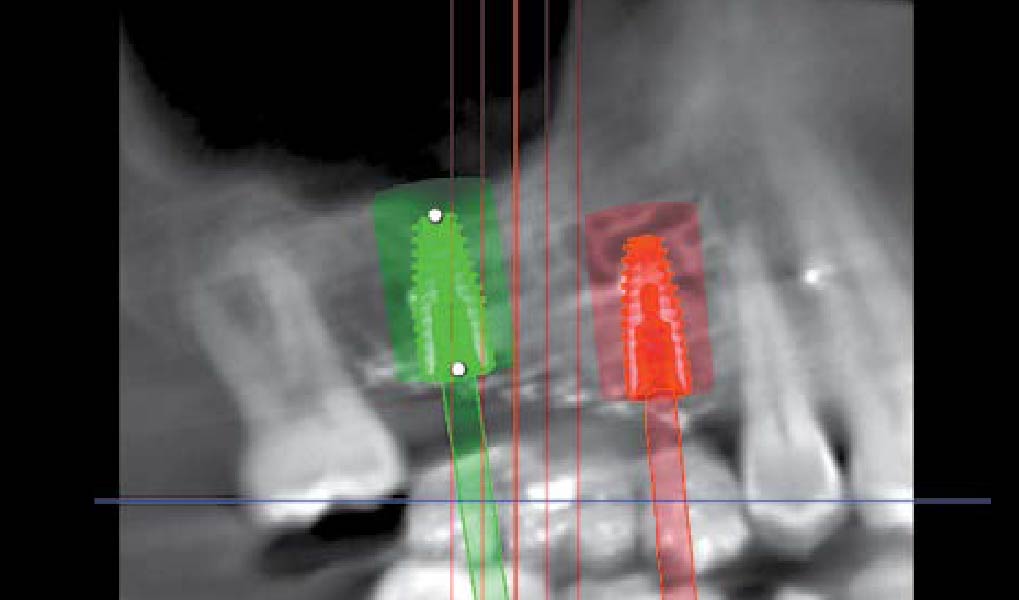
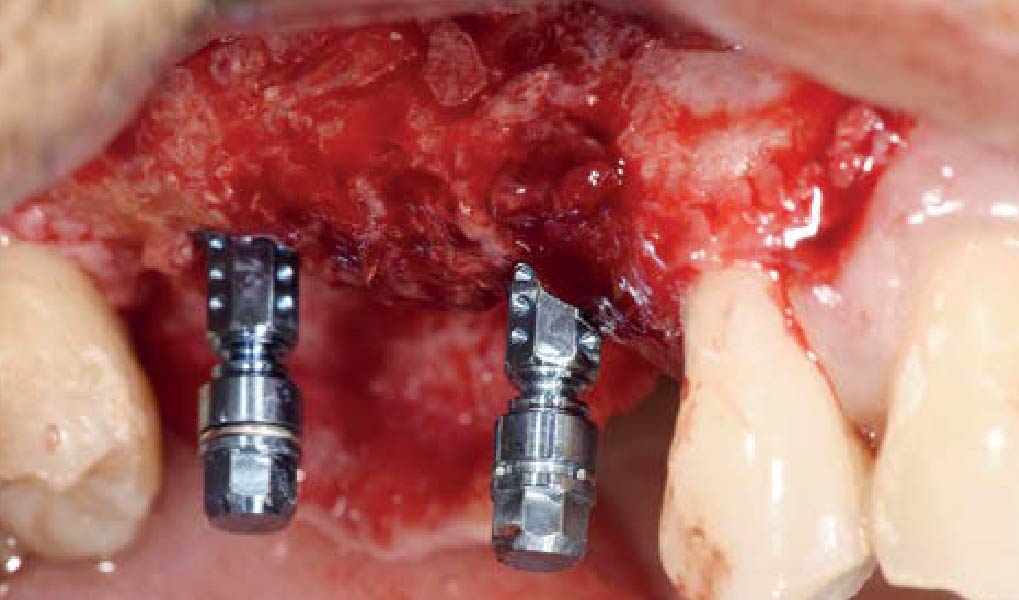
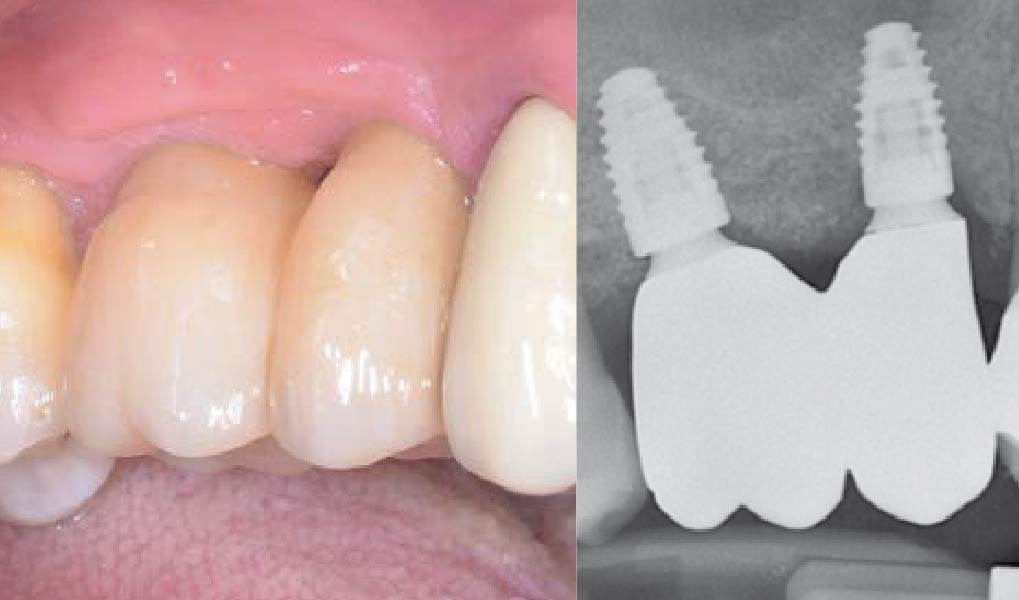
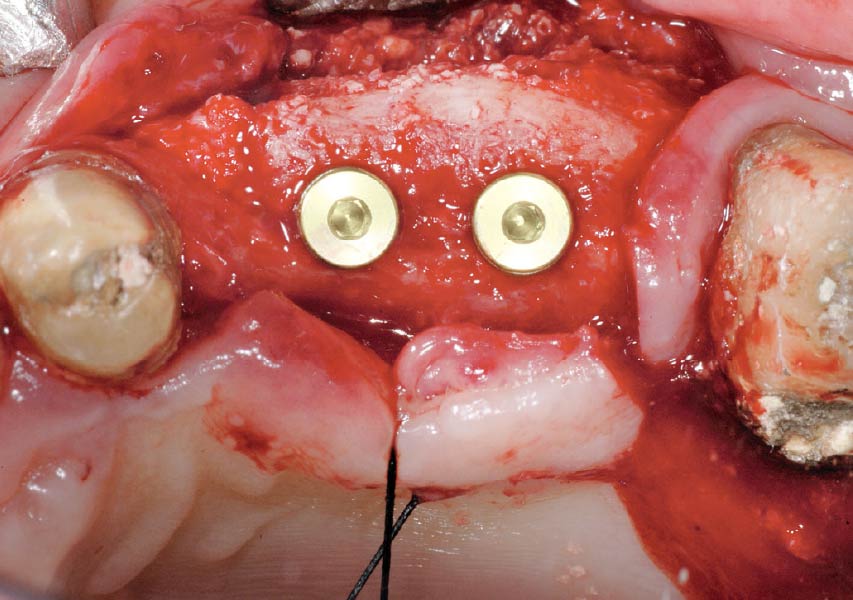
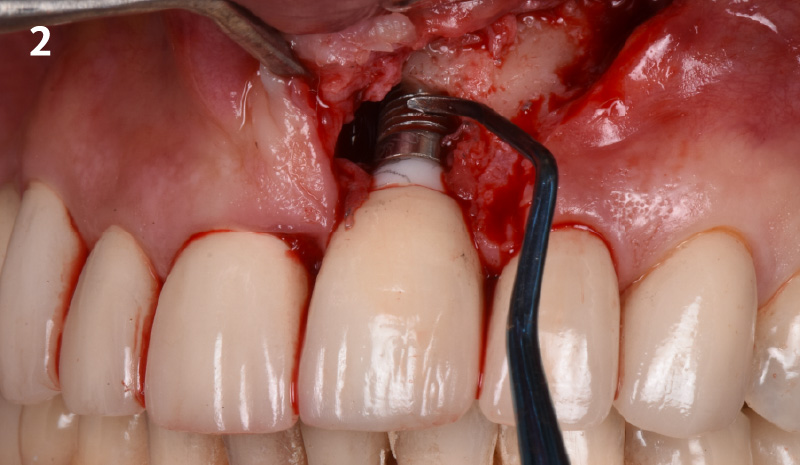
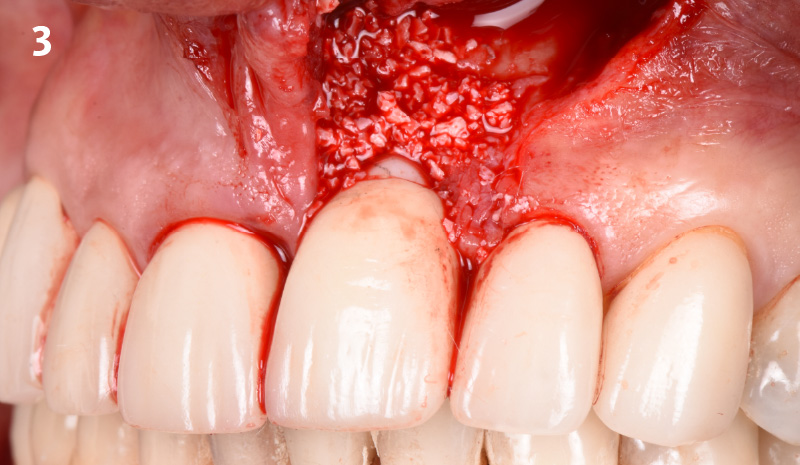
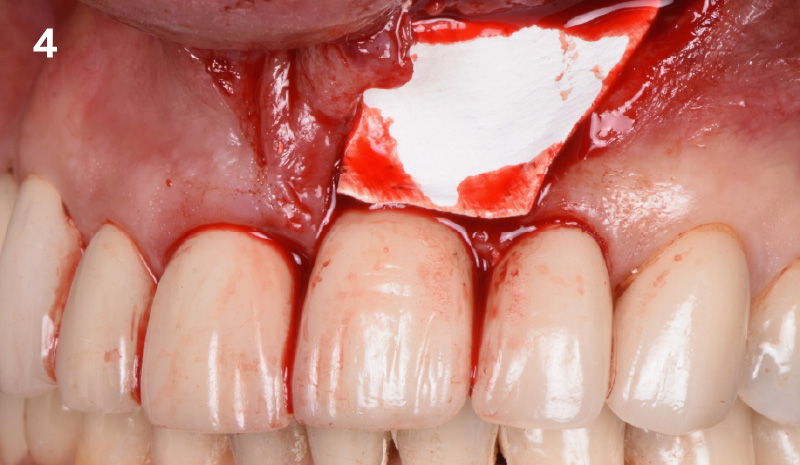
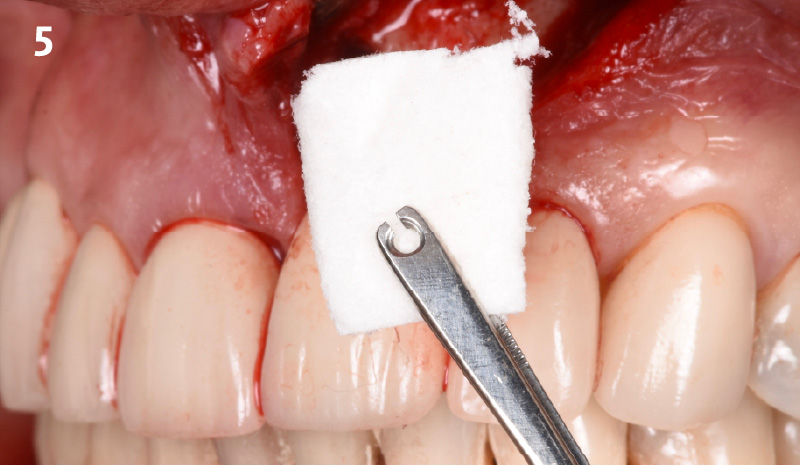
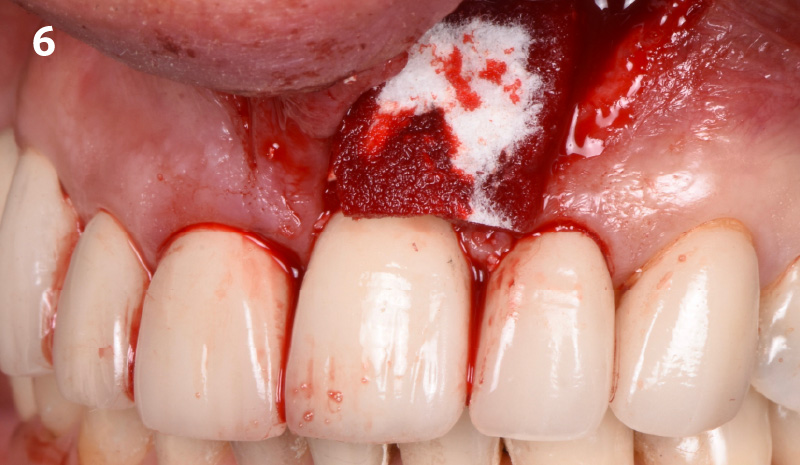
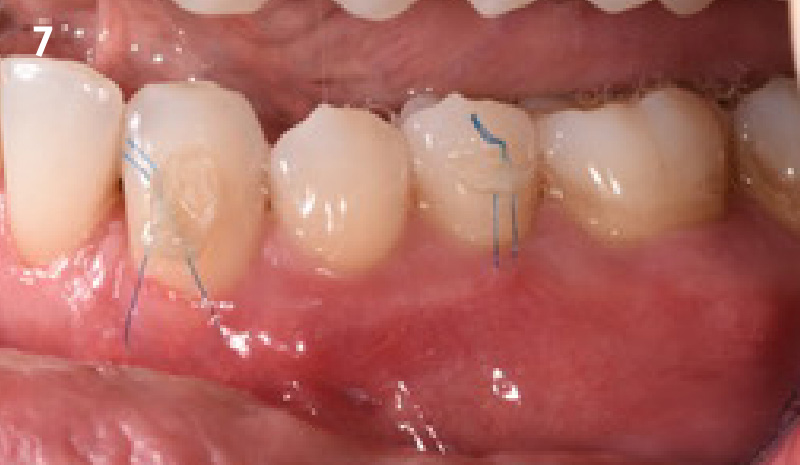
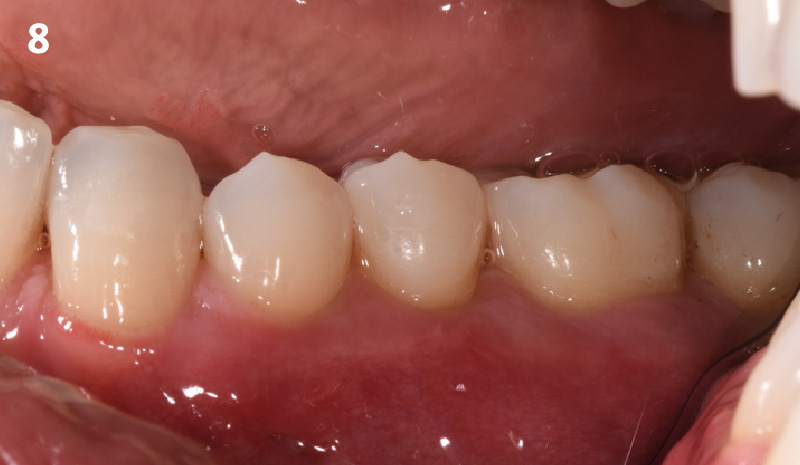
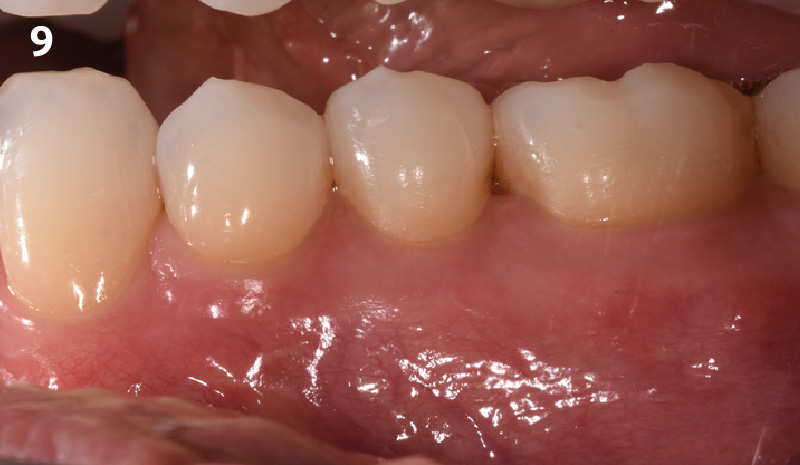
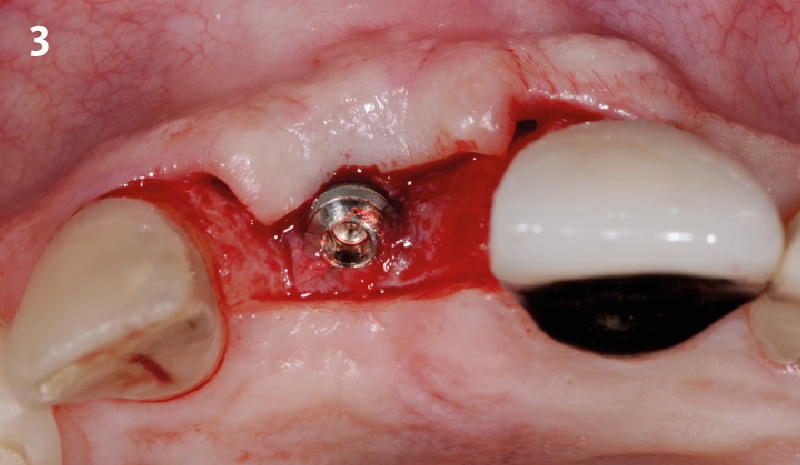
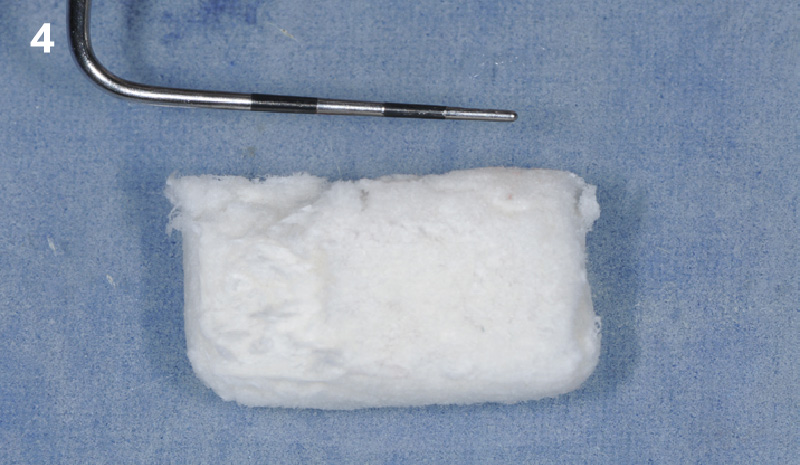
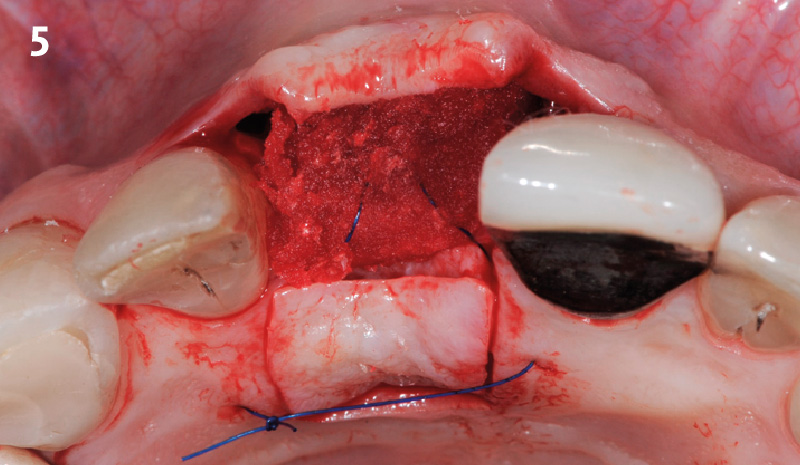
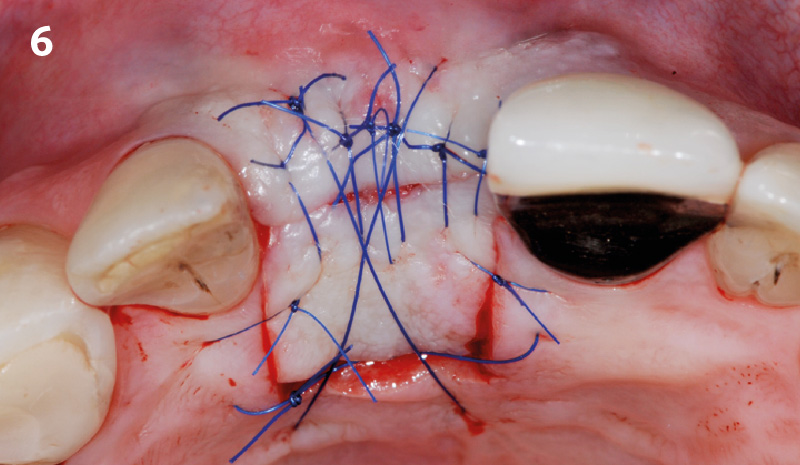
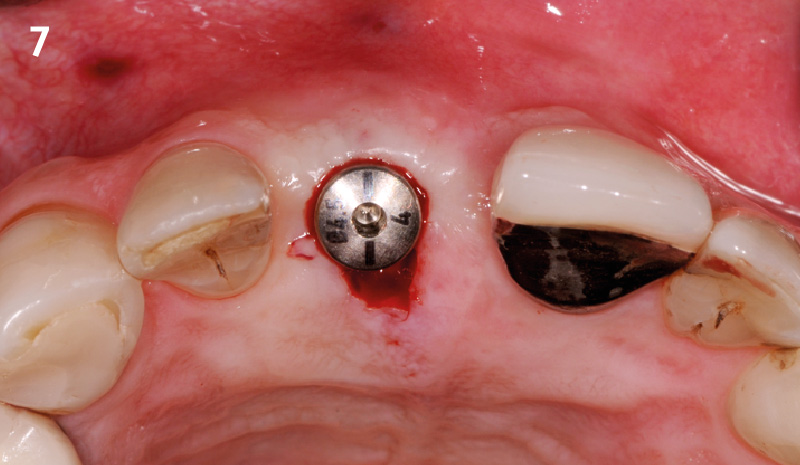
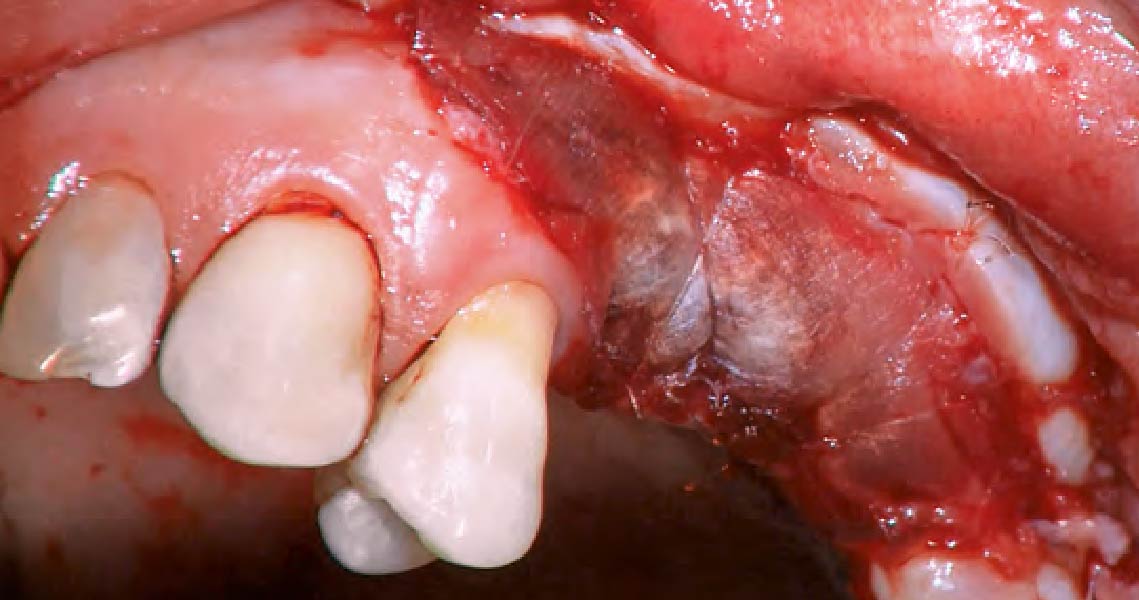
An early implant placement approach with a healing time of six weeks before implant placement was chosen. The bone augmentation with Geistlich Bio-Oss Collagen® was conducted simultaneously with implant placement. As this patient was treated in 1991, the case is one of the very first clinical applications of Geistlich Bio-Oss Collagen®
CONCLUSION:
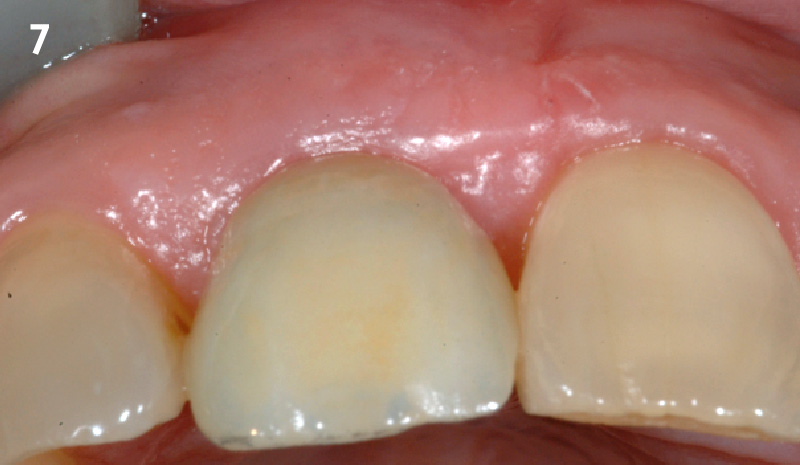
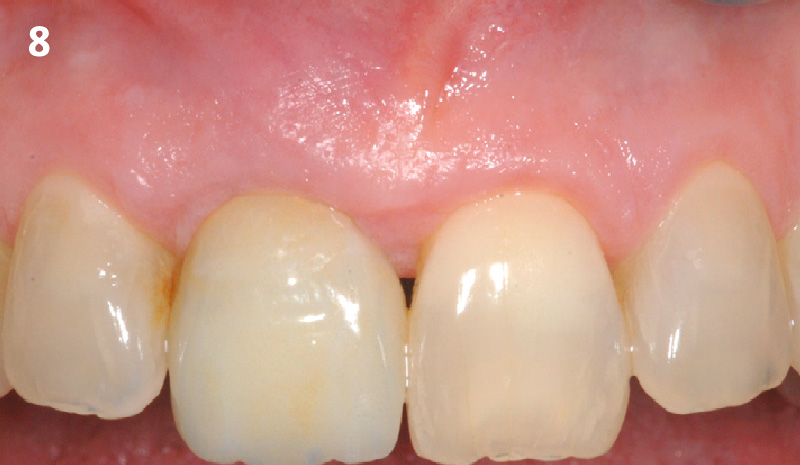
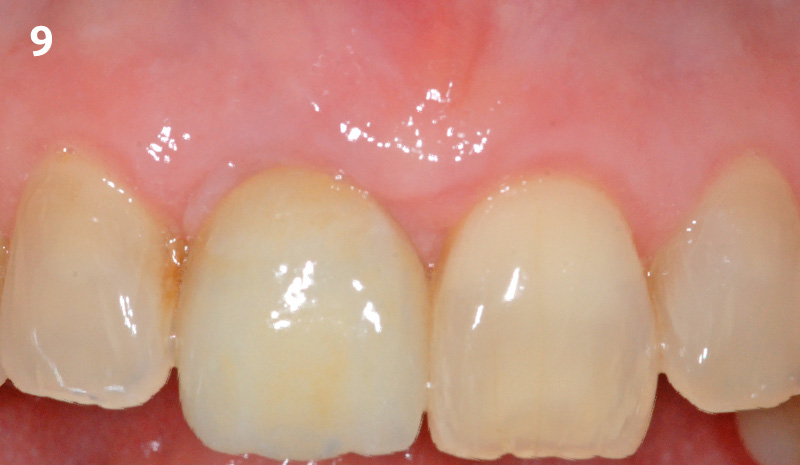
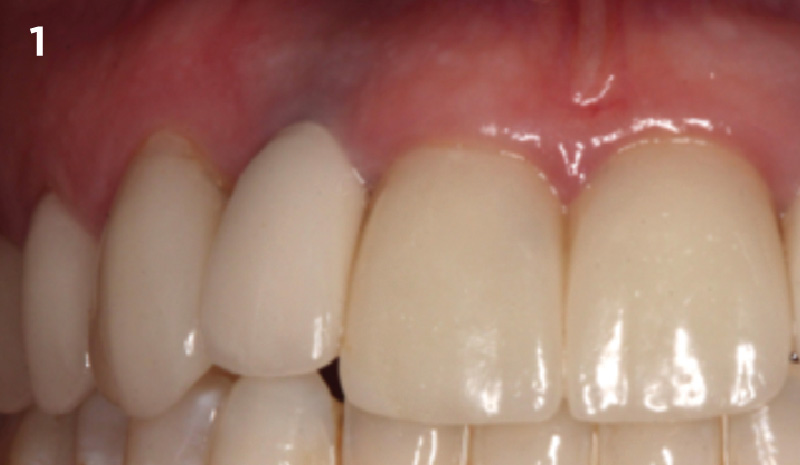
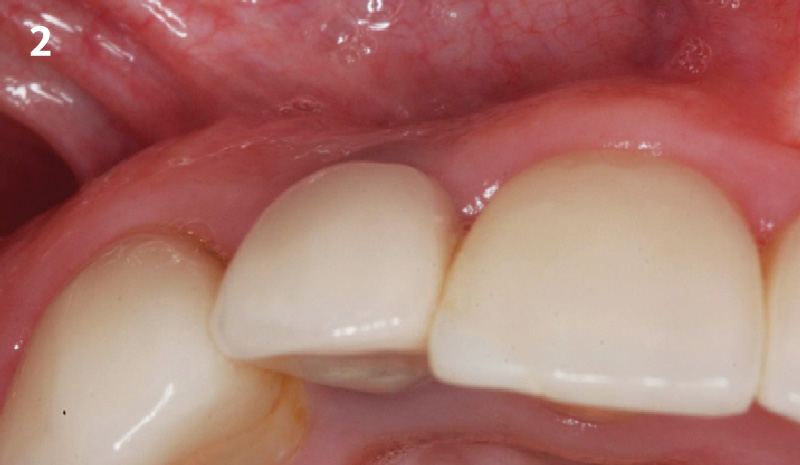
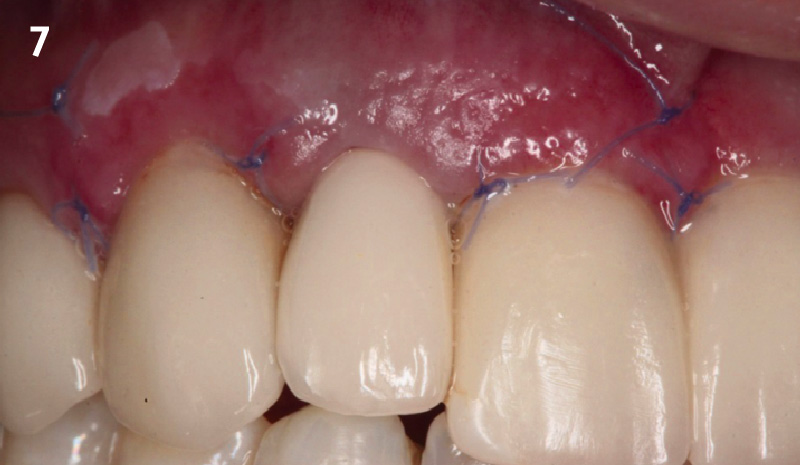
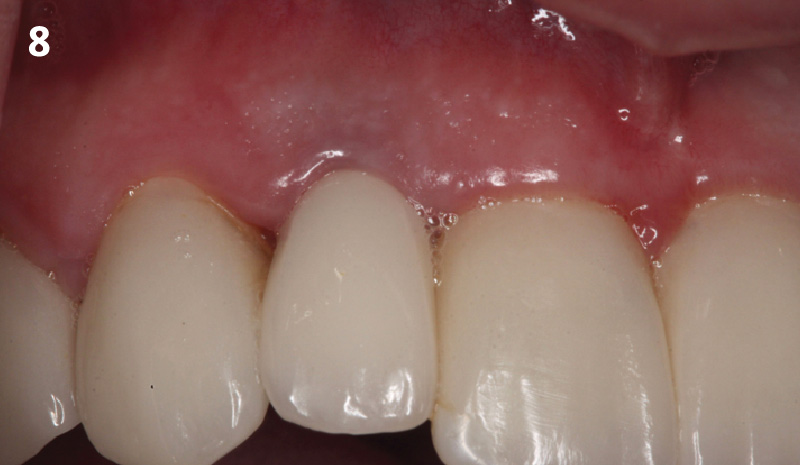
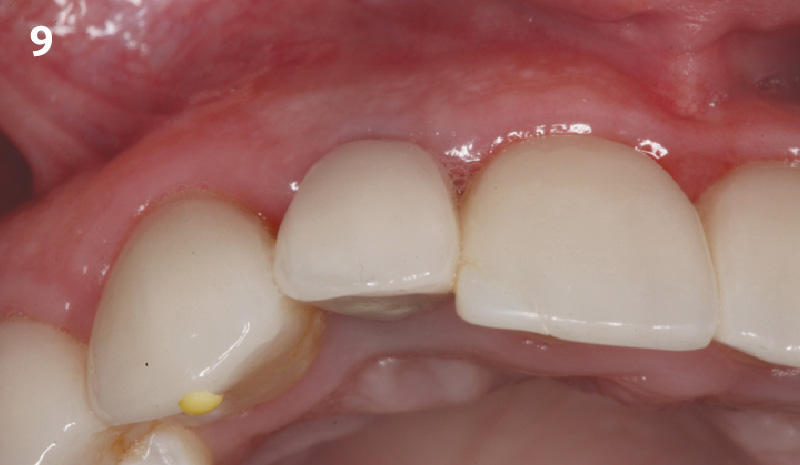
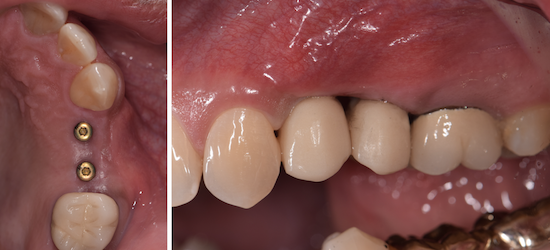
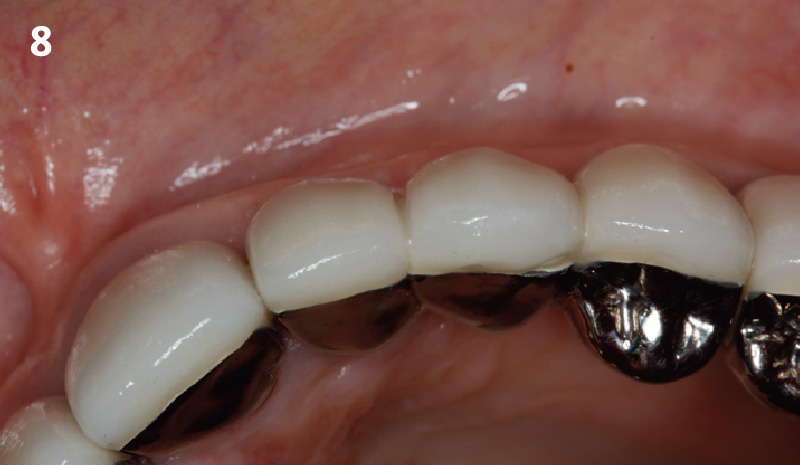
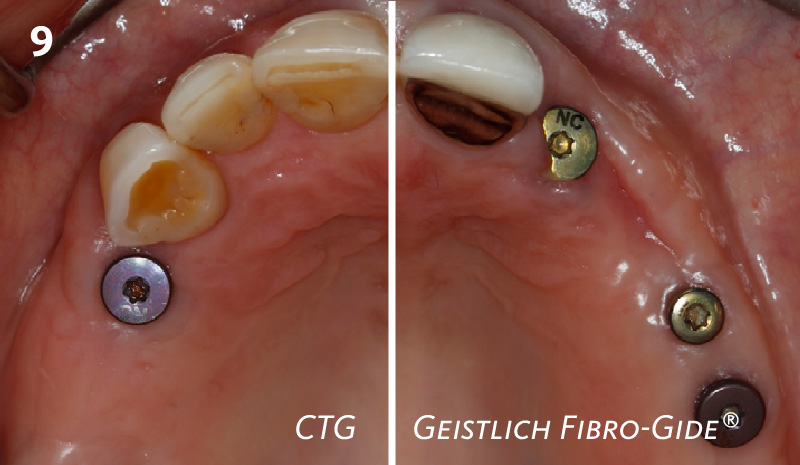
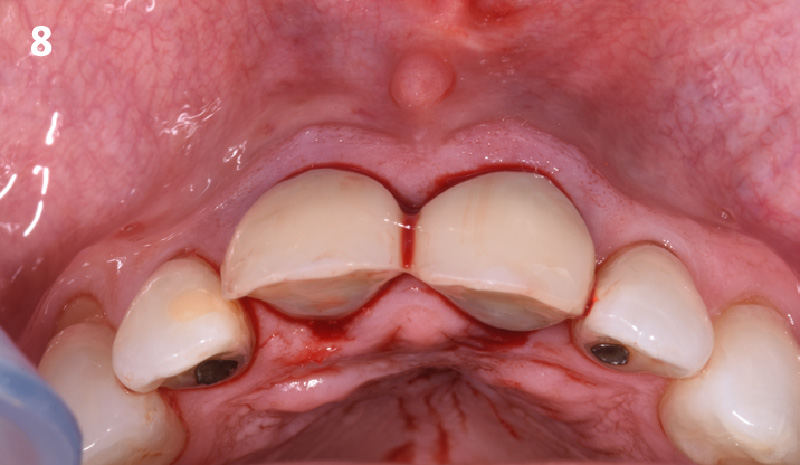
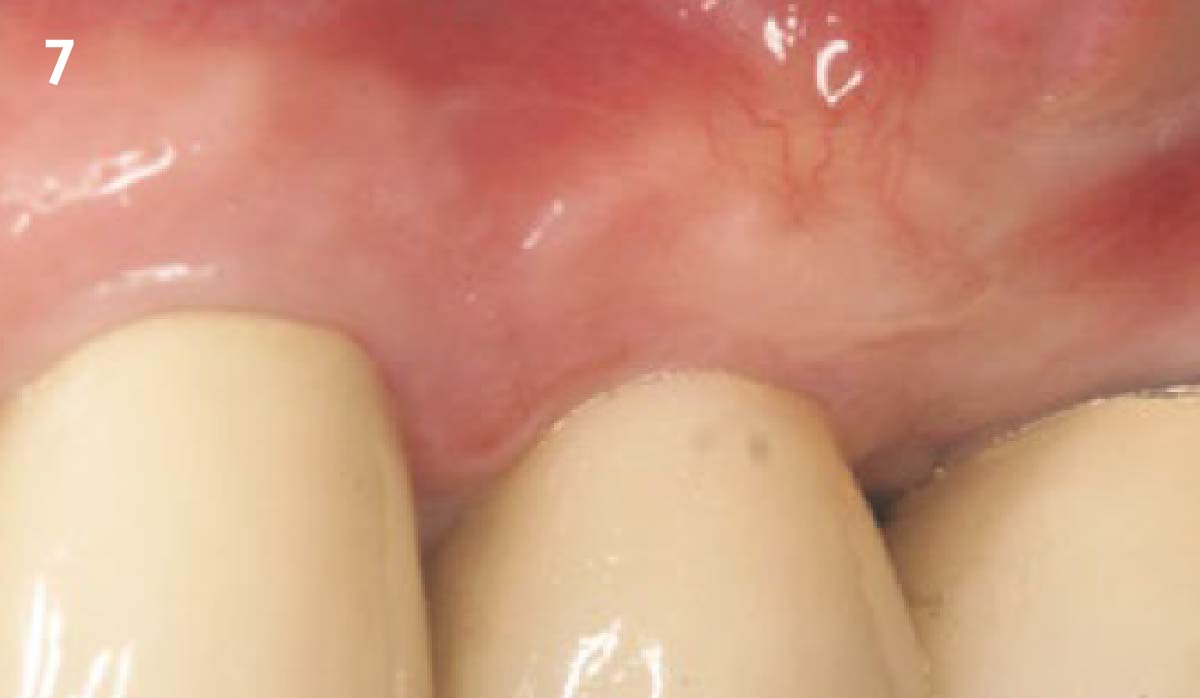
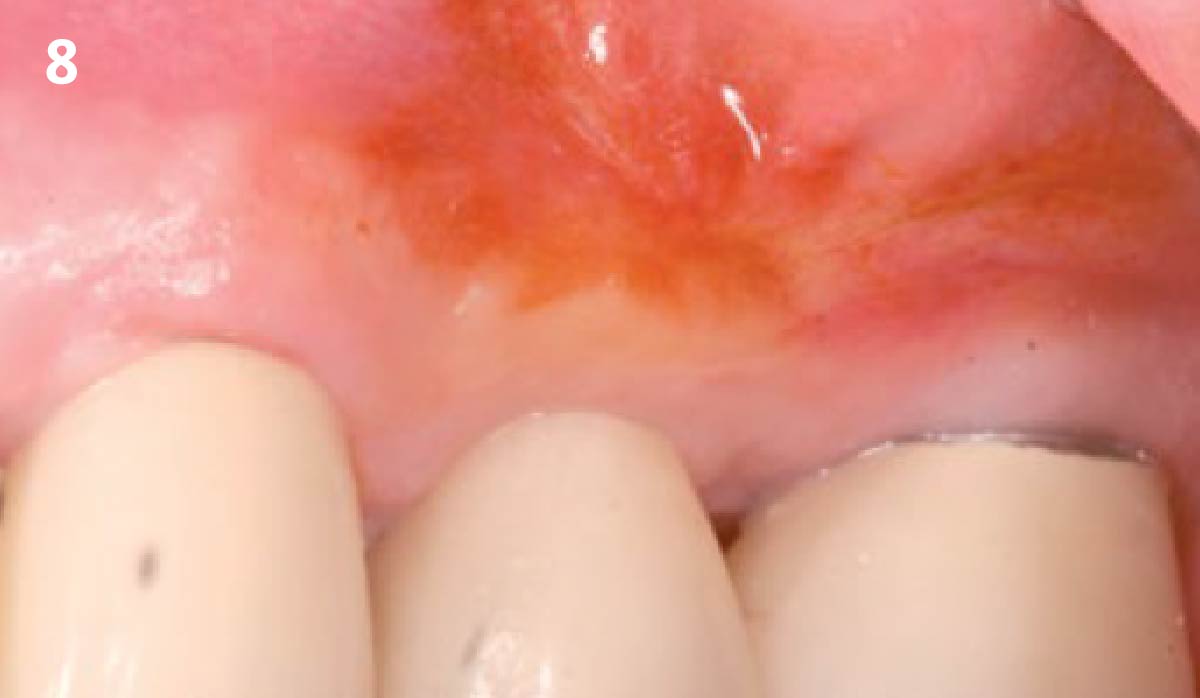
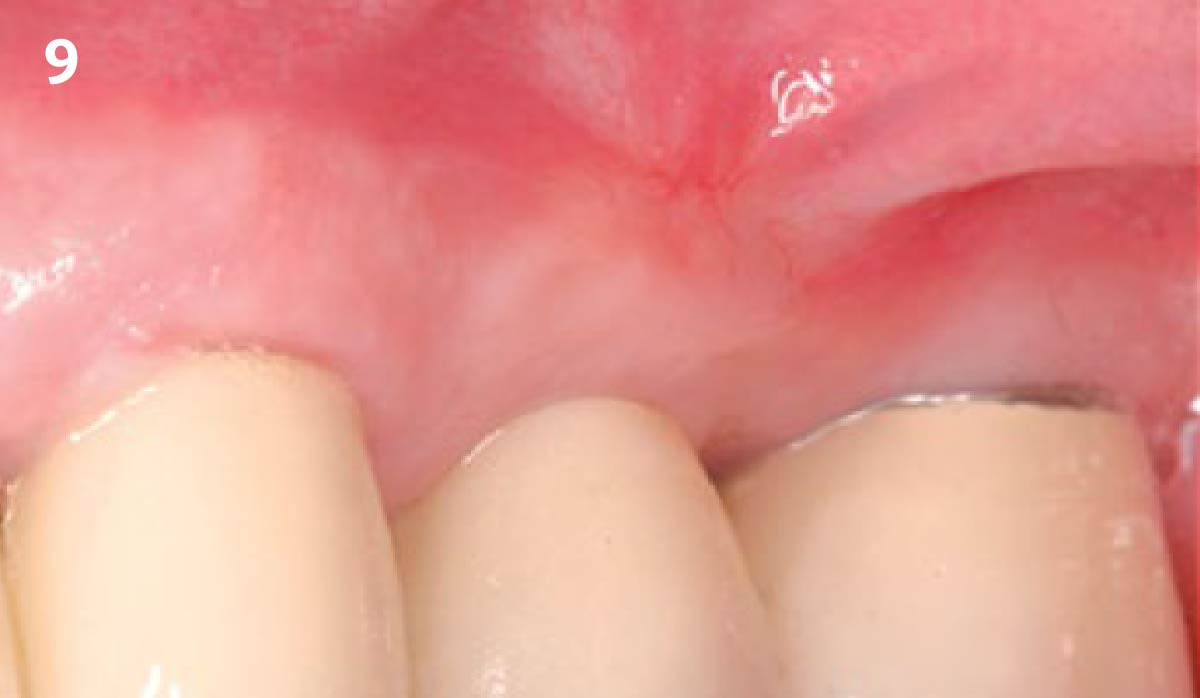
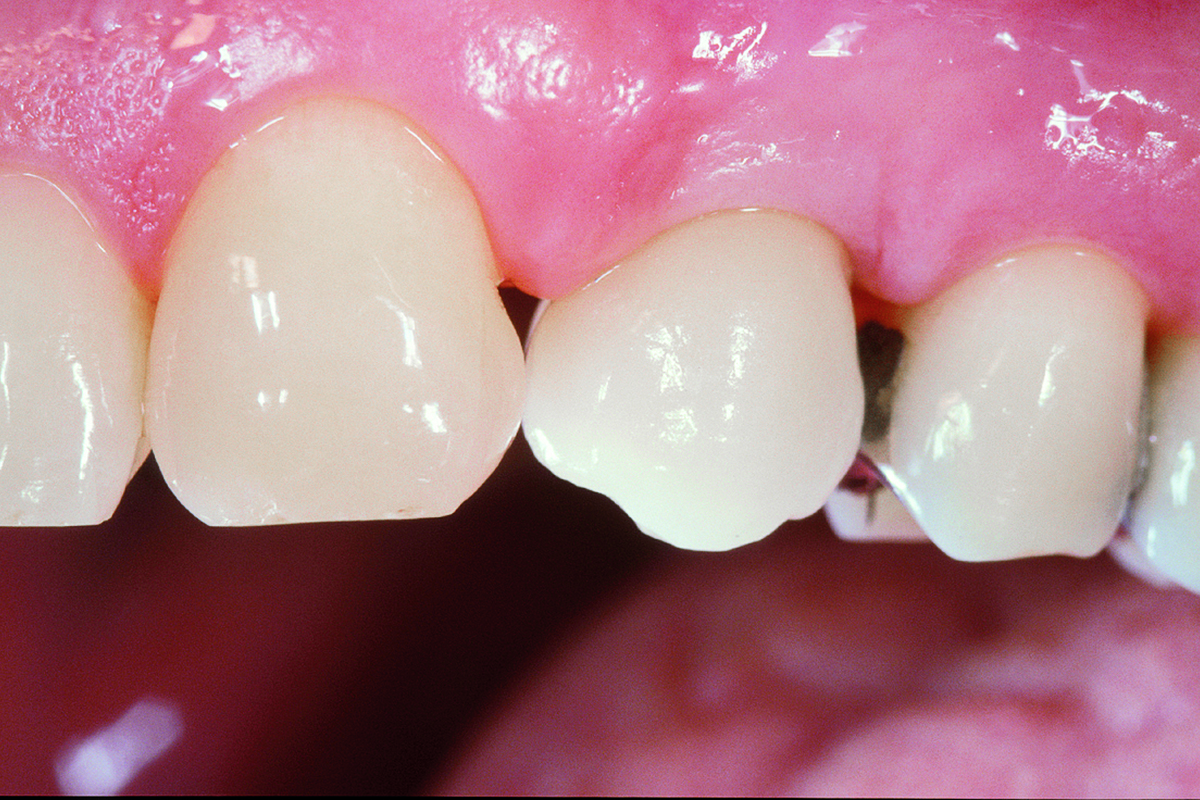
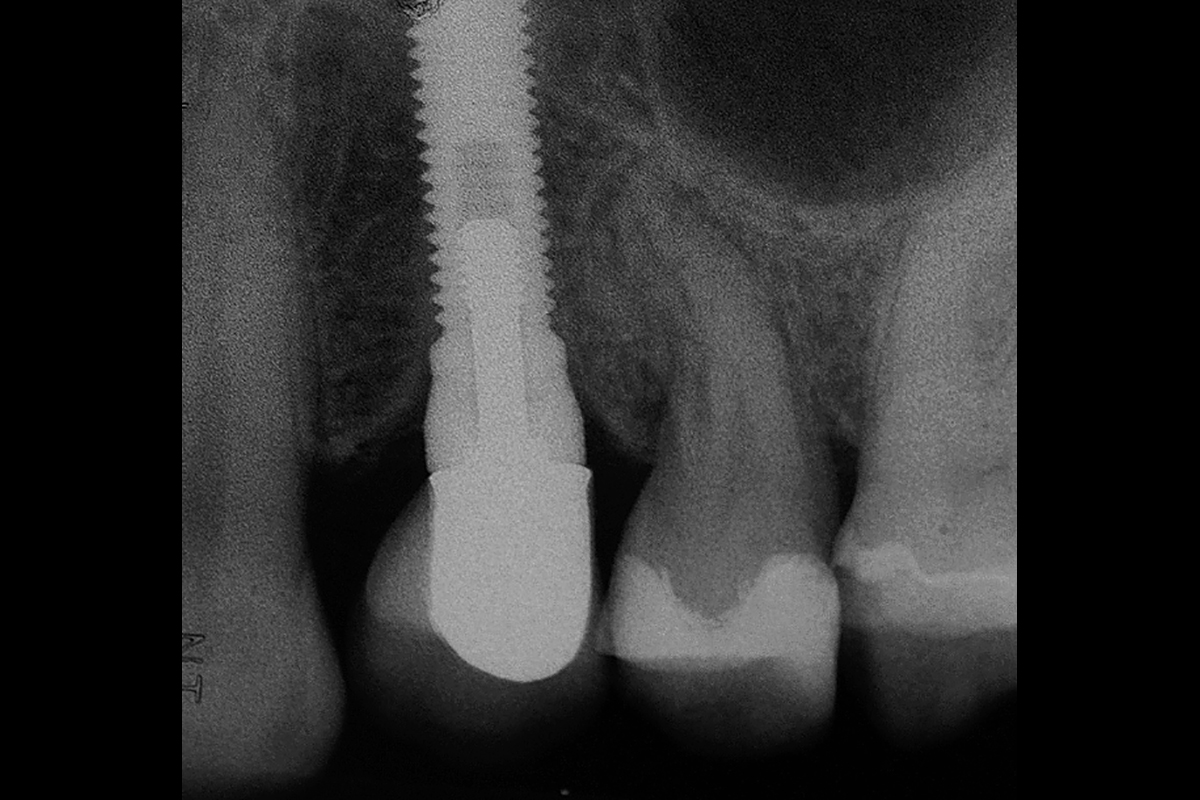
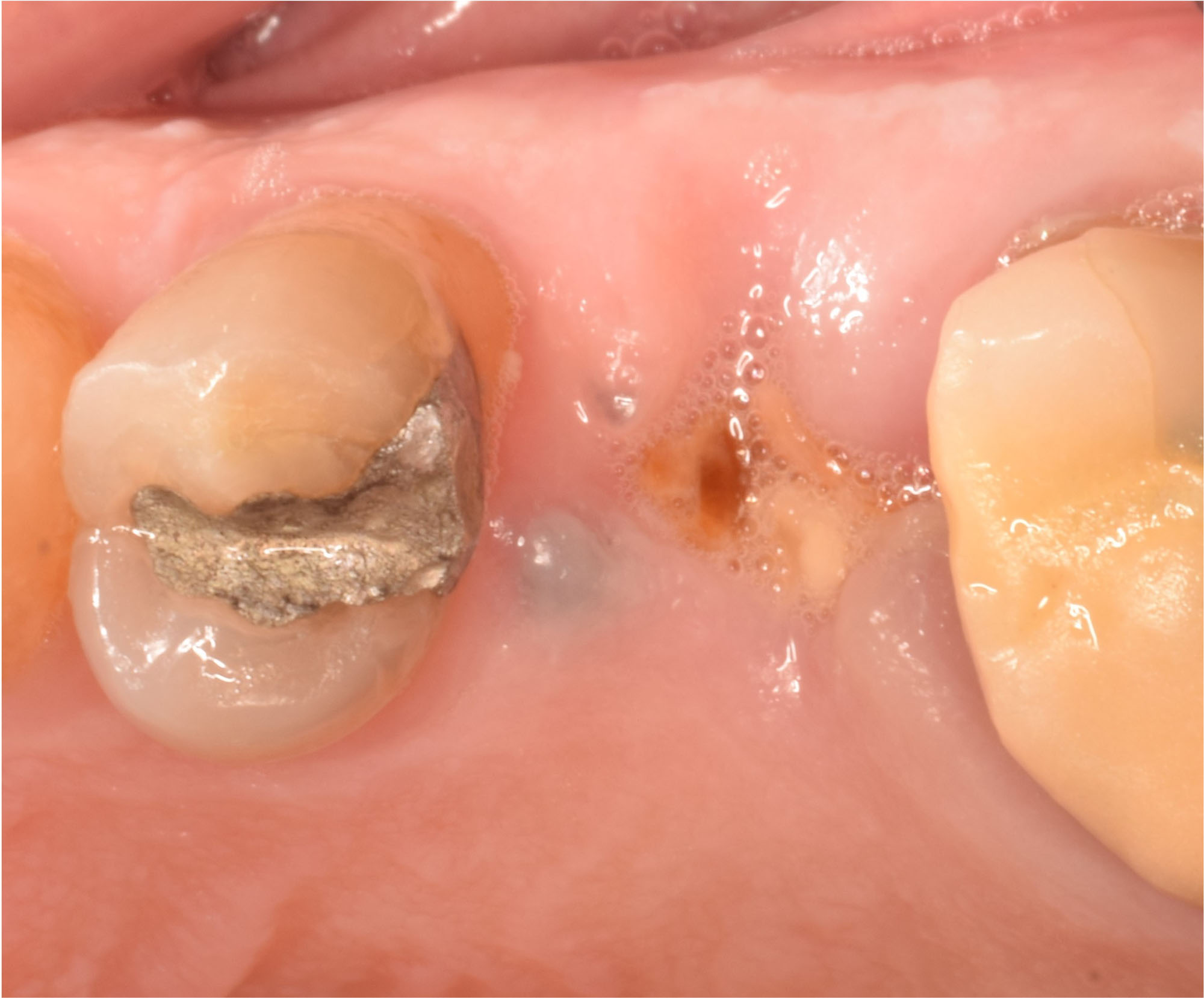
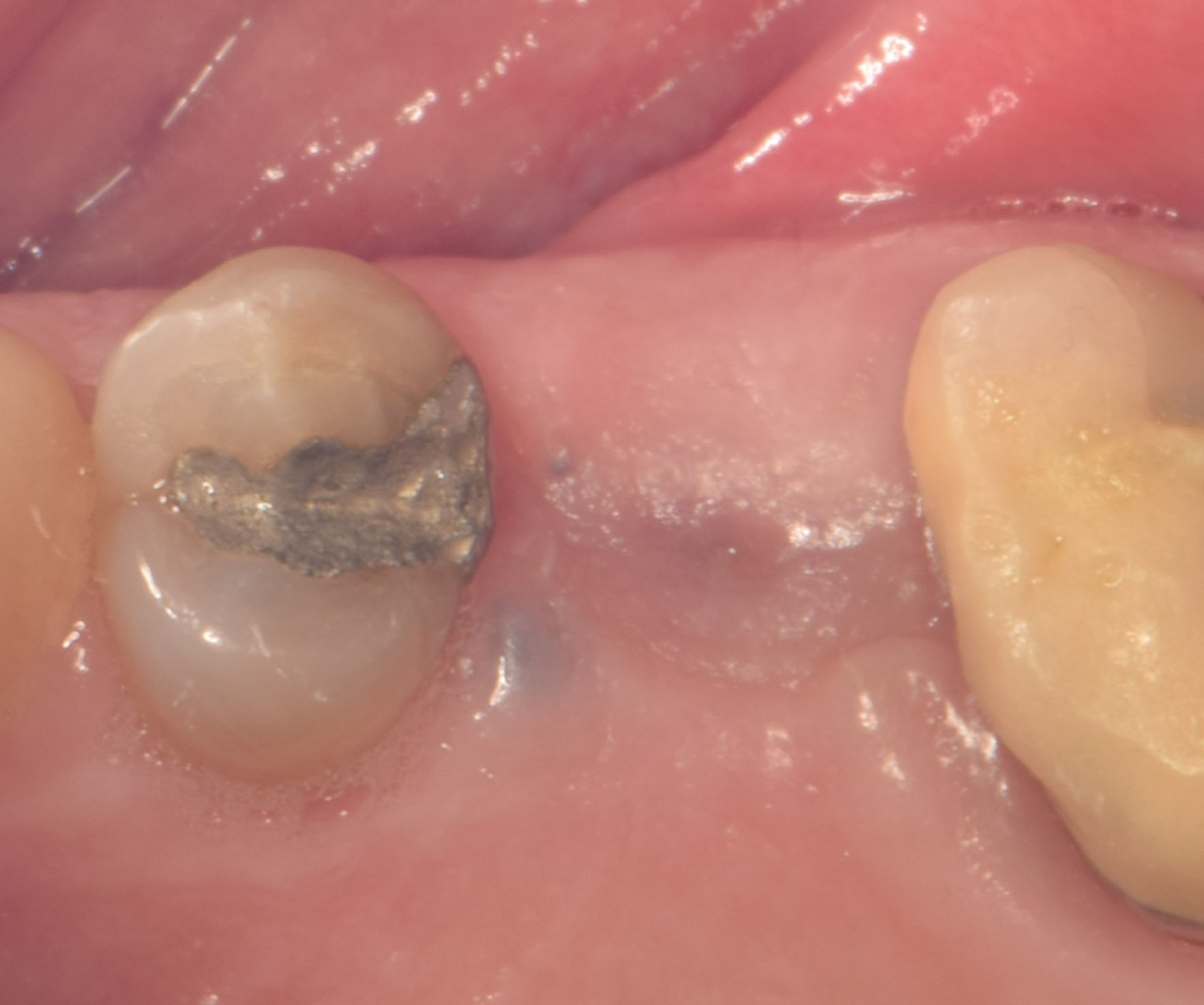
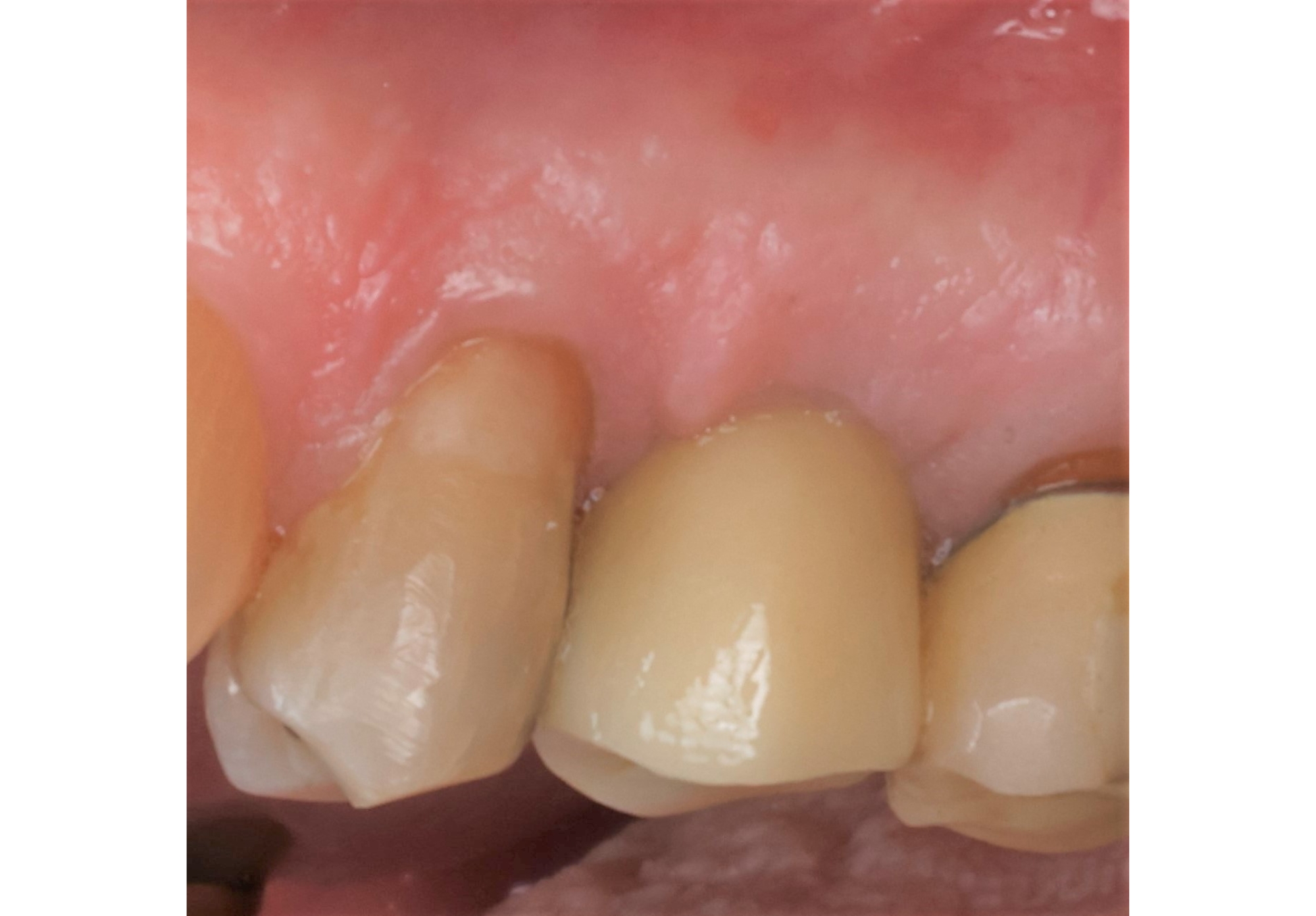
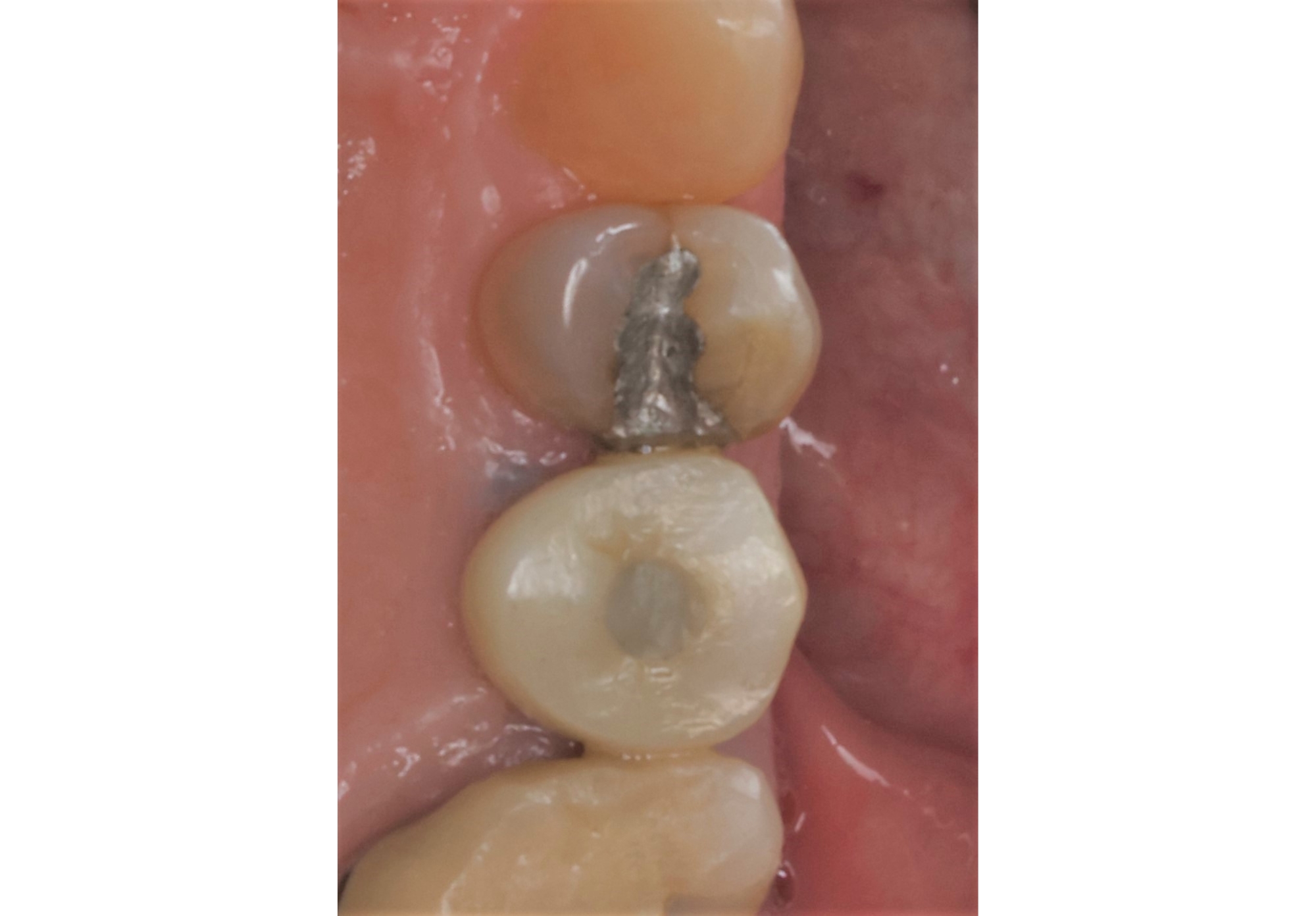
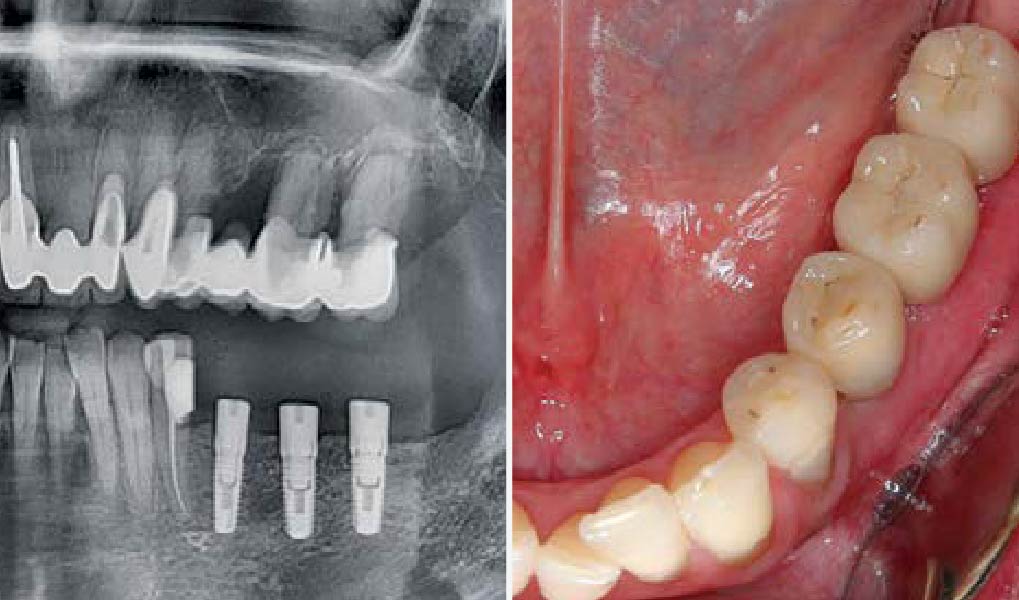
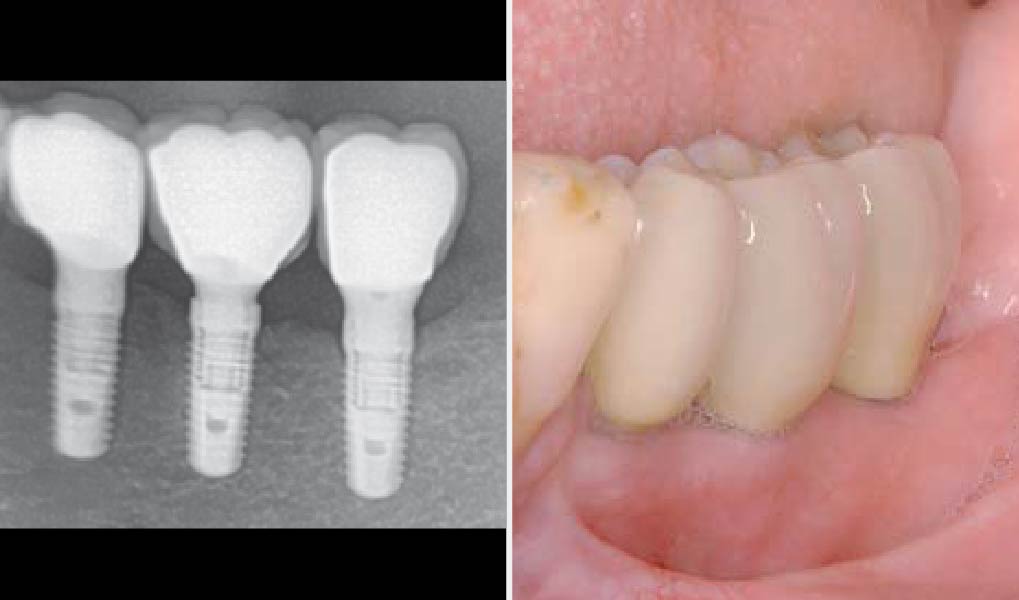
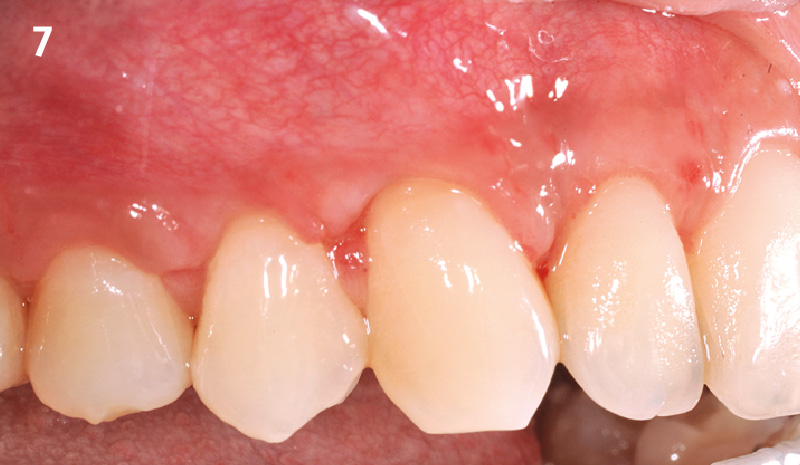
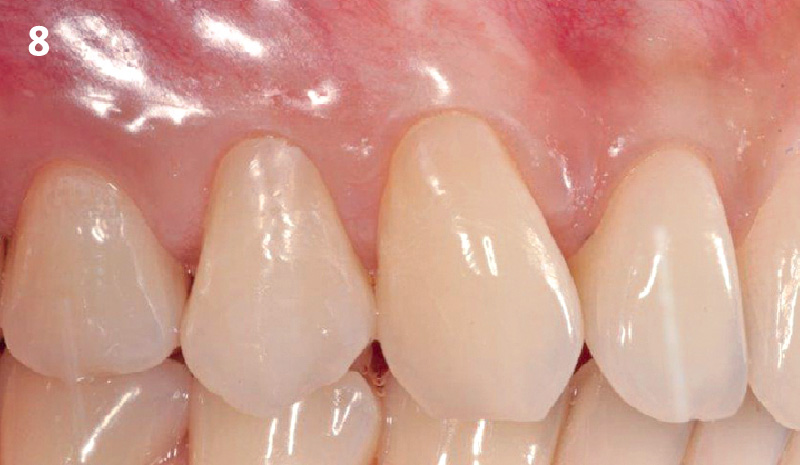
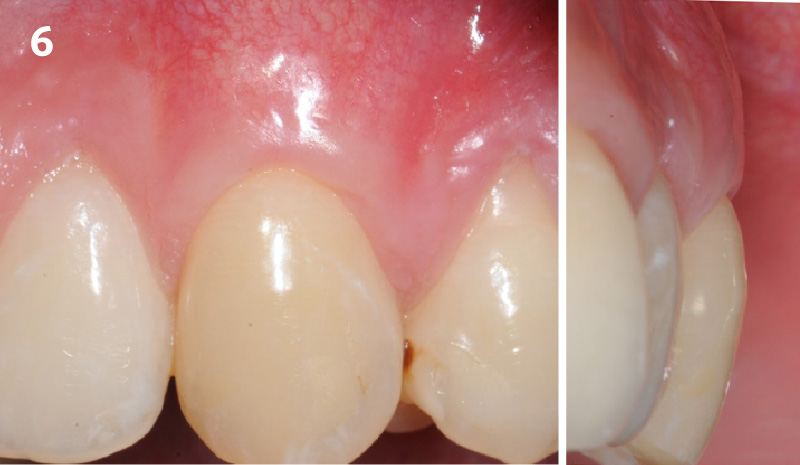
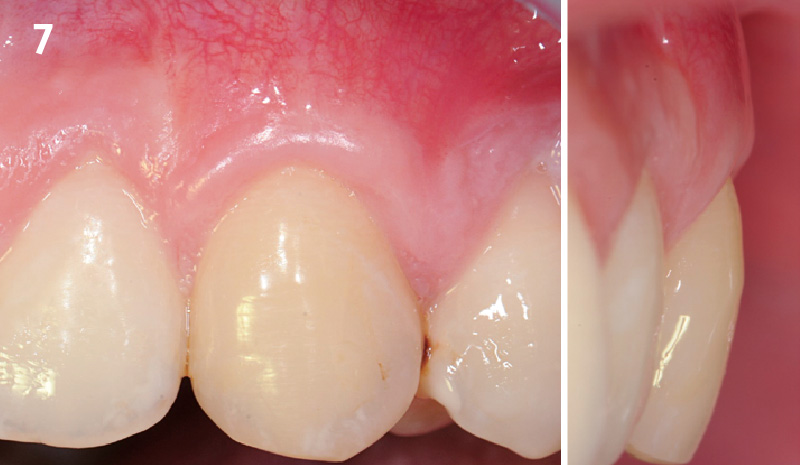
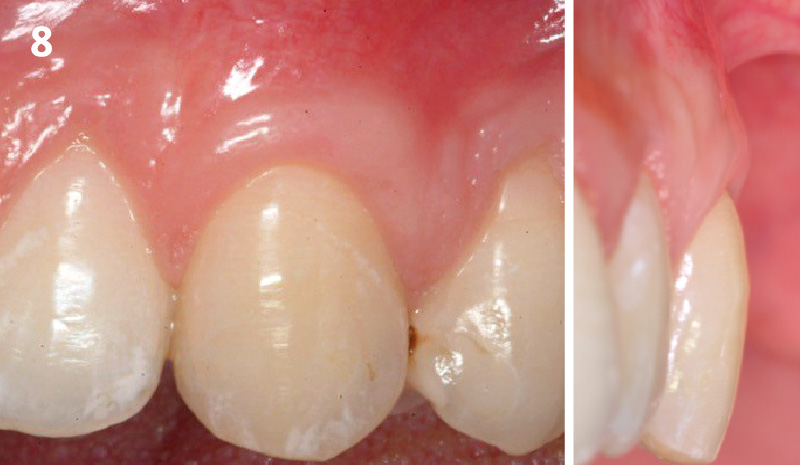
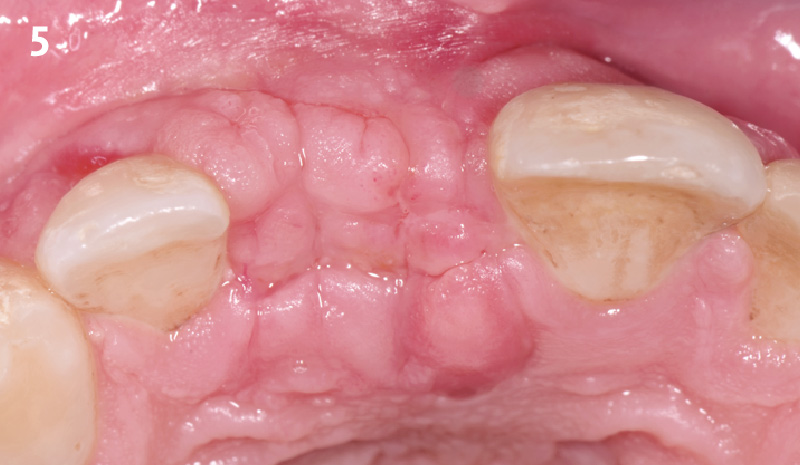
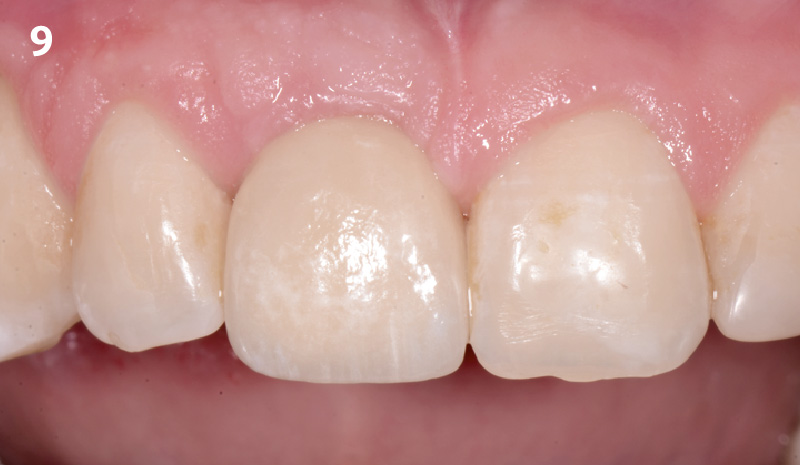
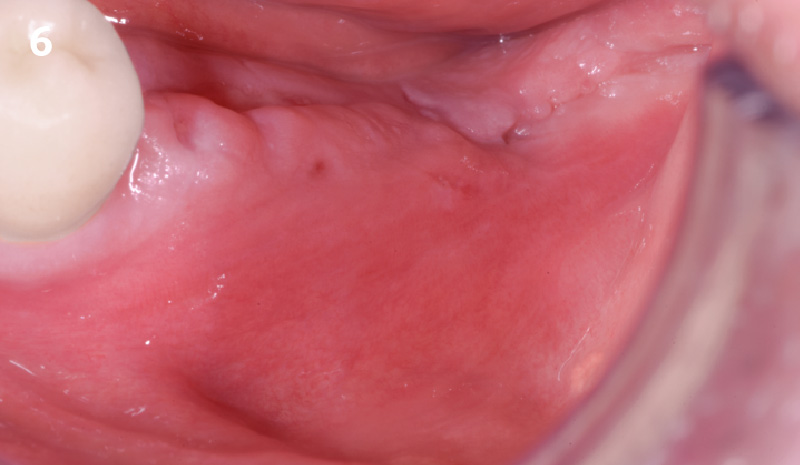
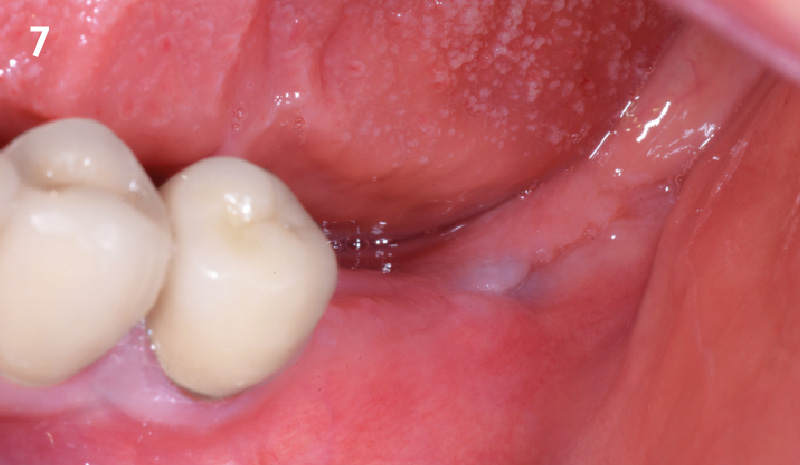
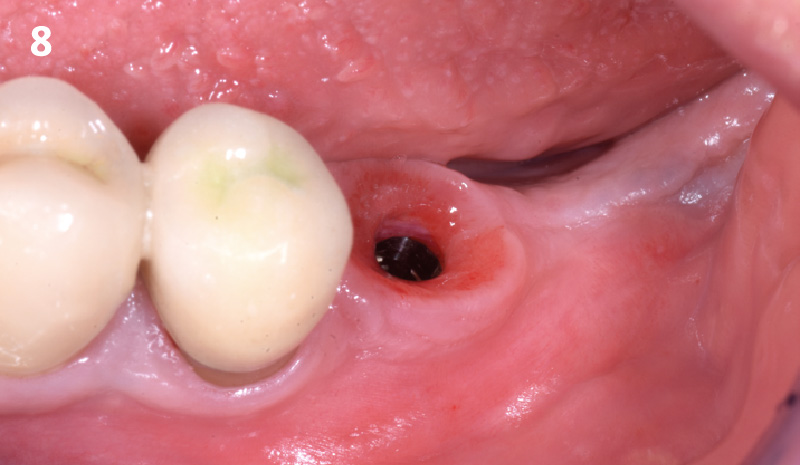
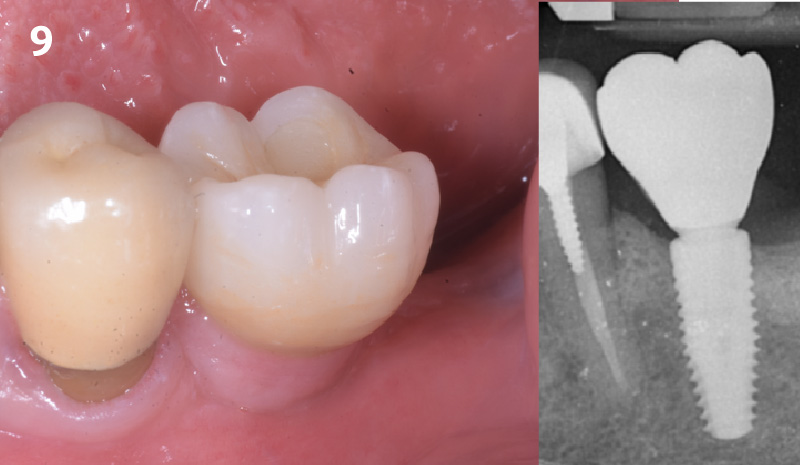
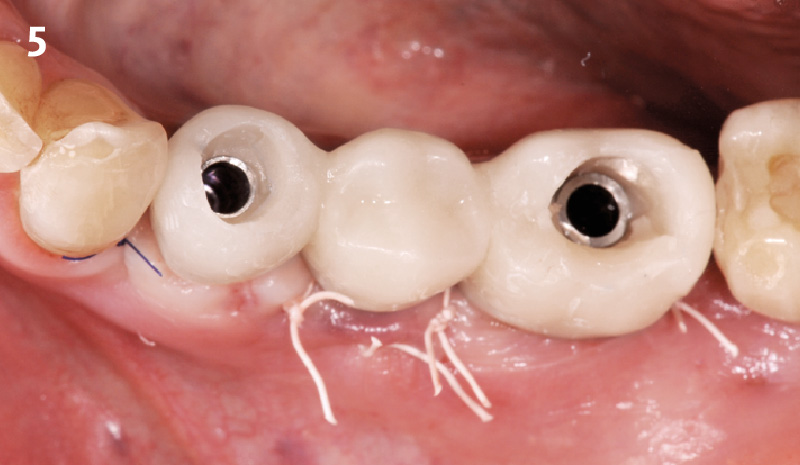
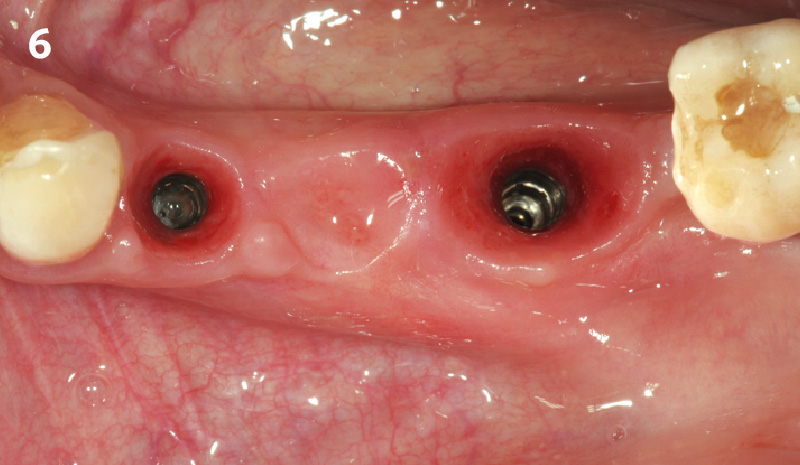
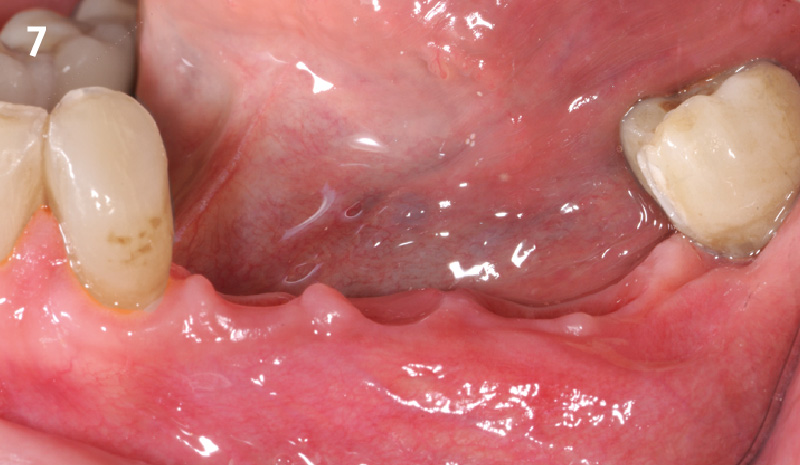
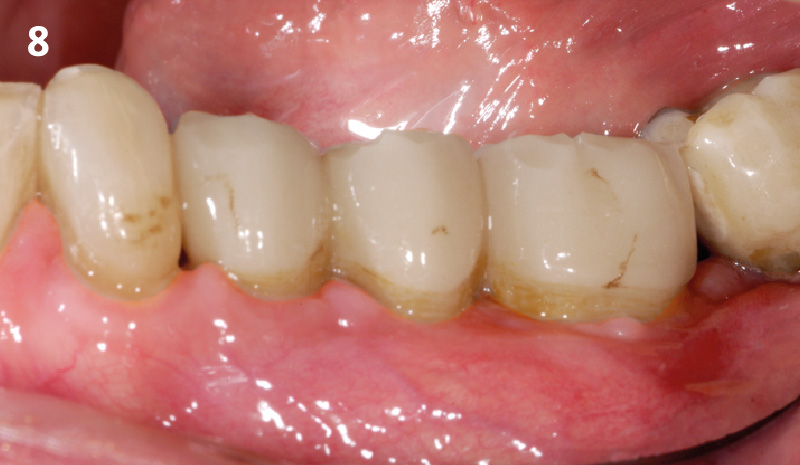
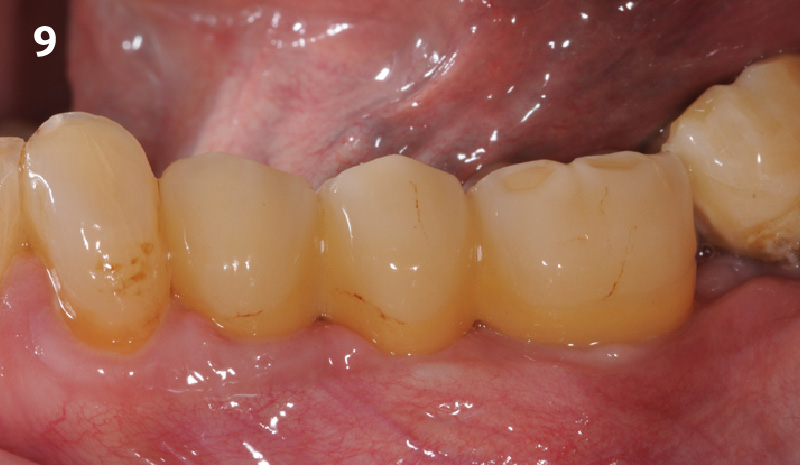
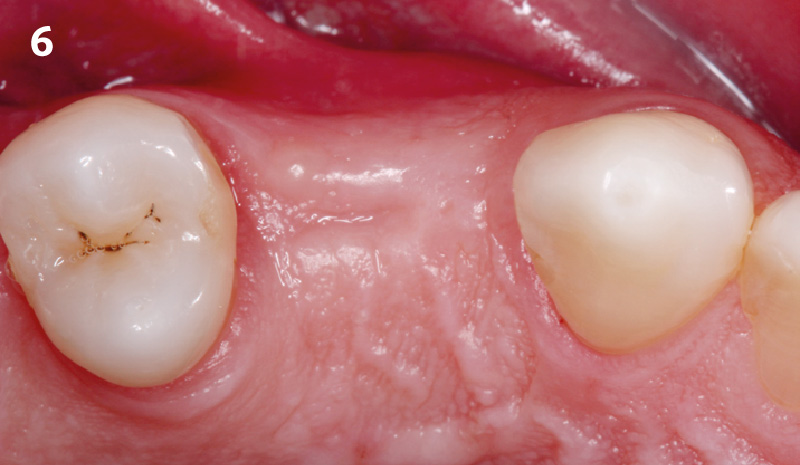
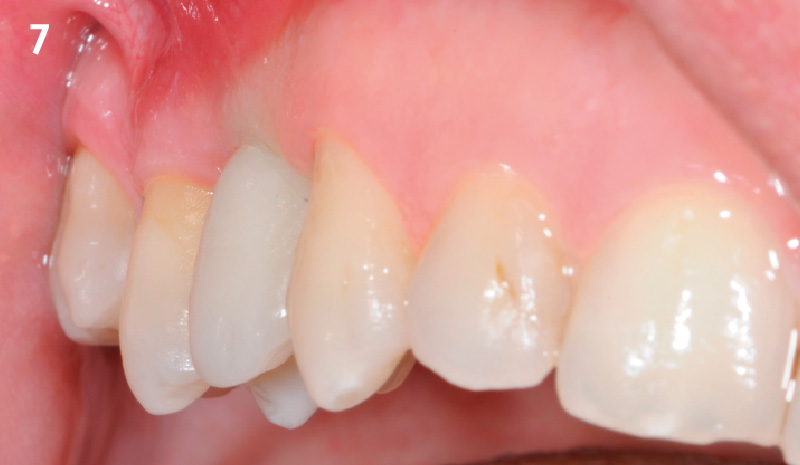
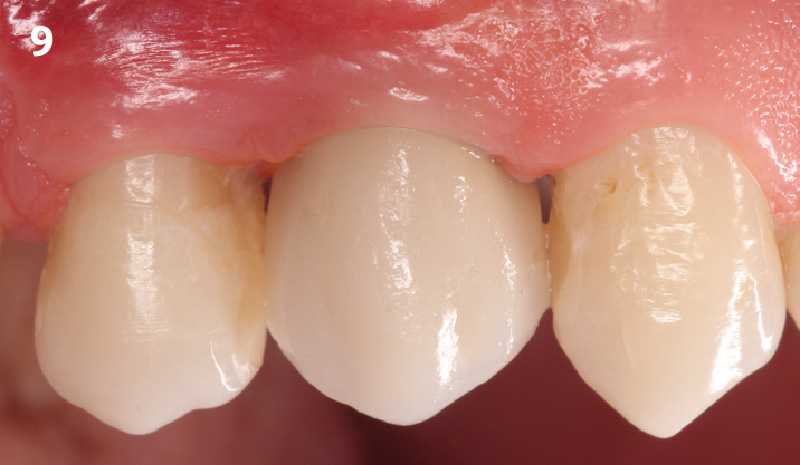
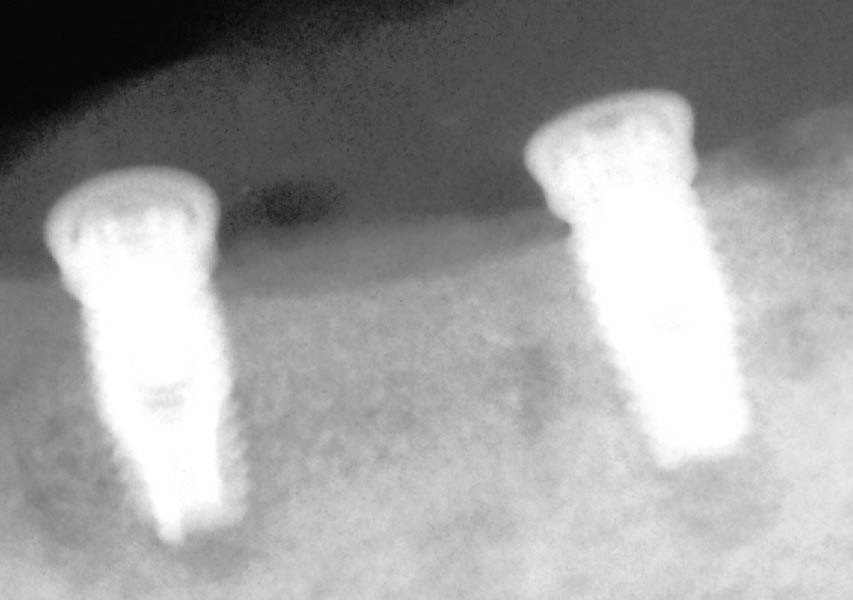
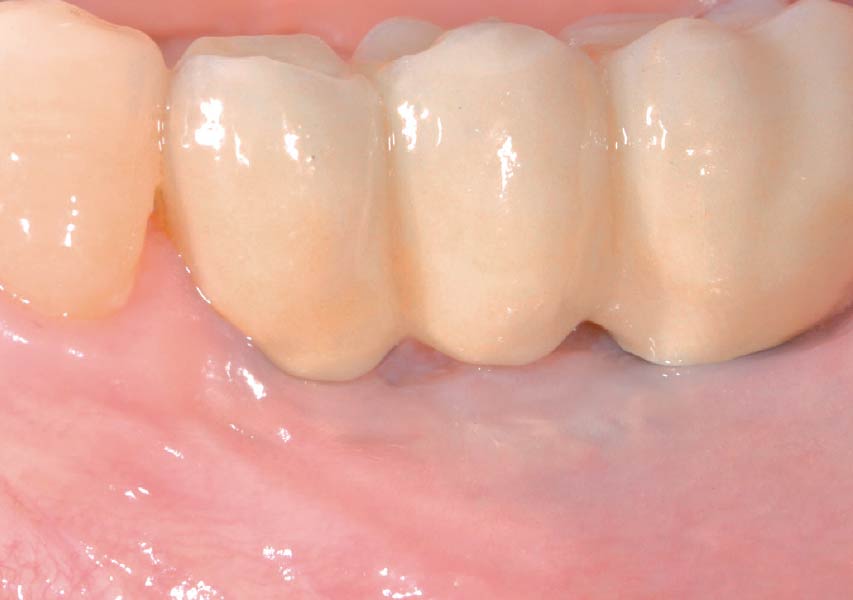
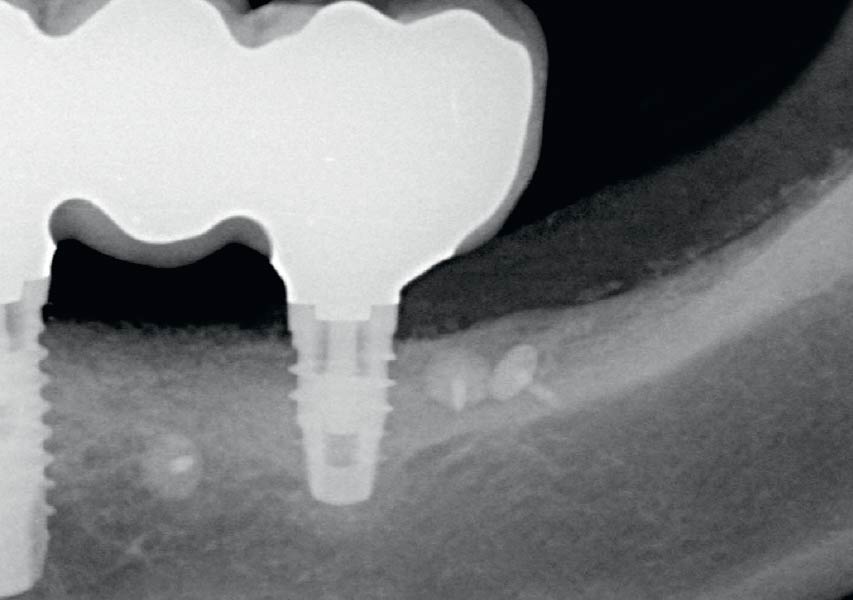
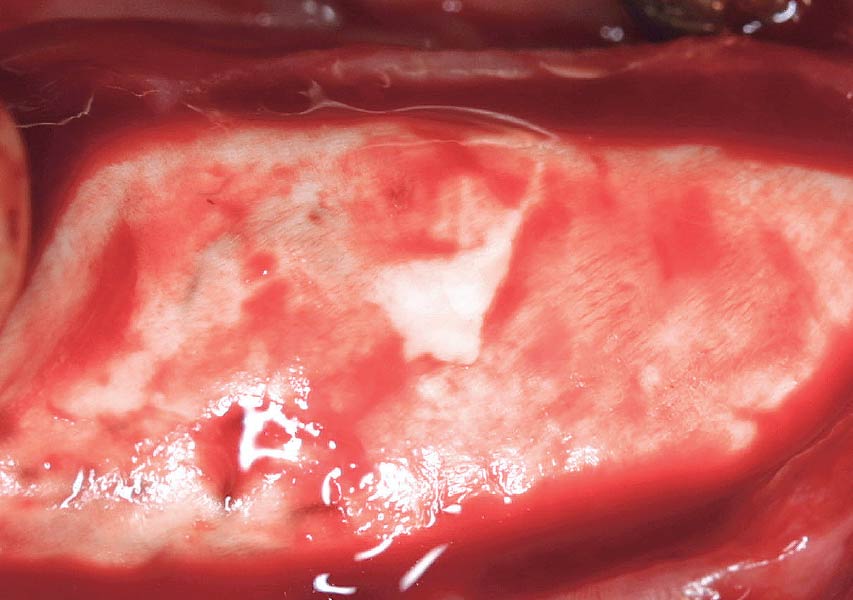
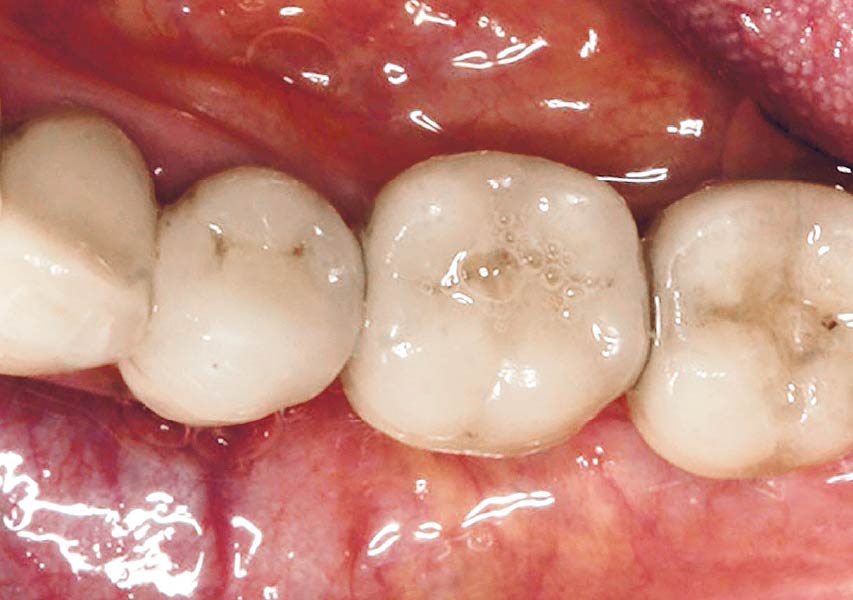
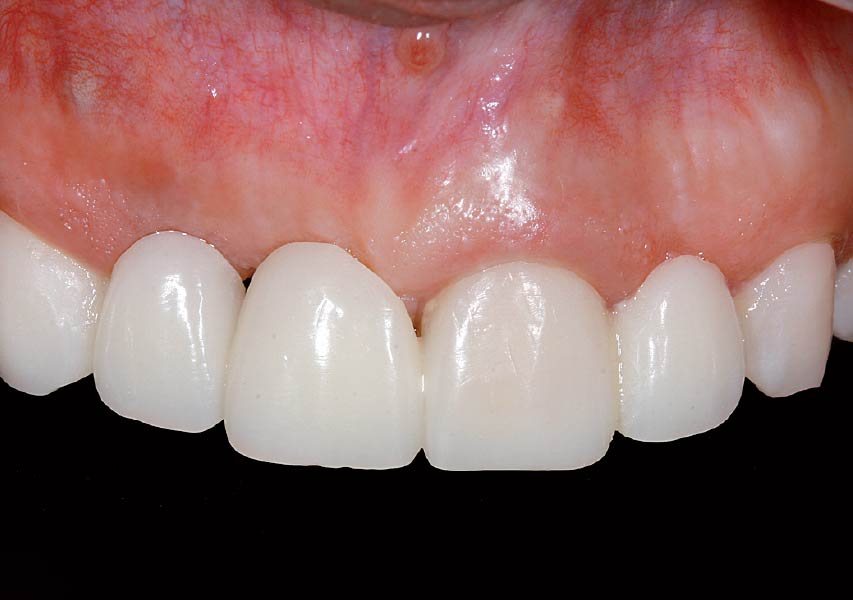
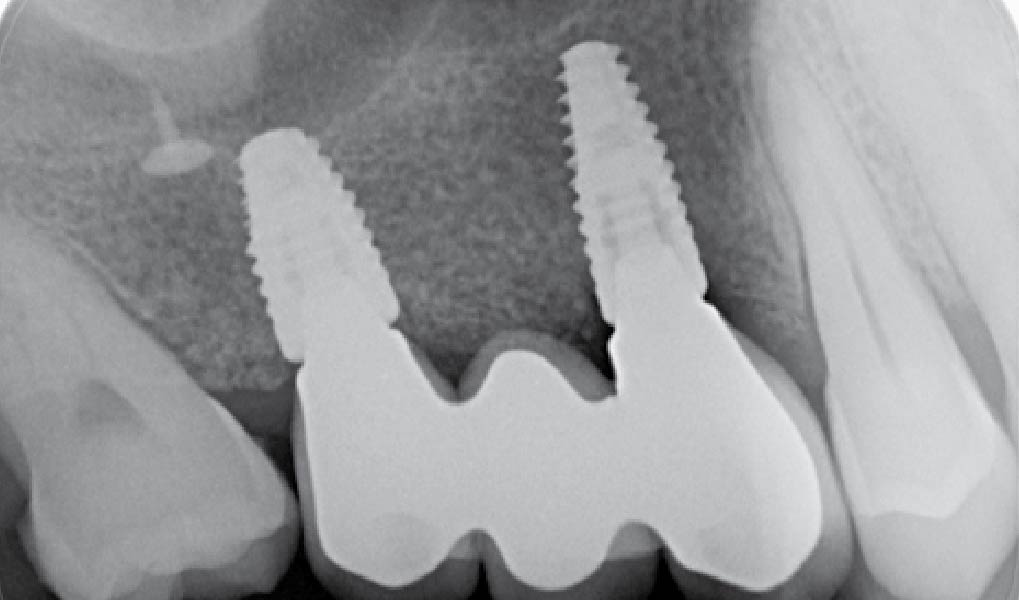
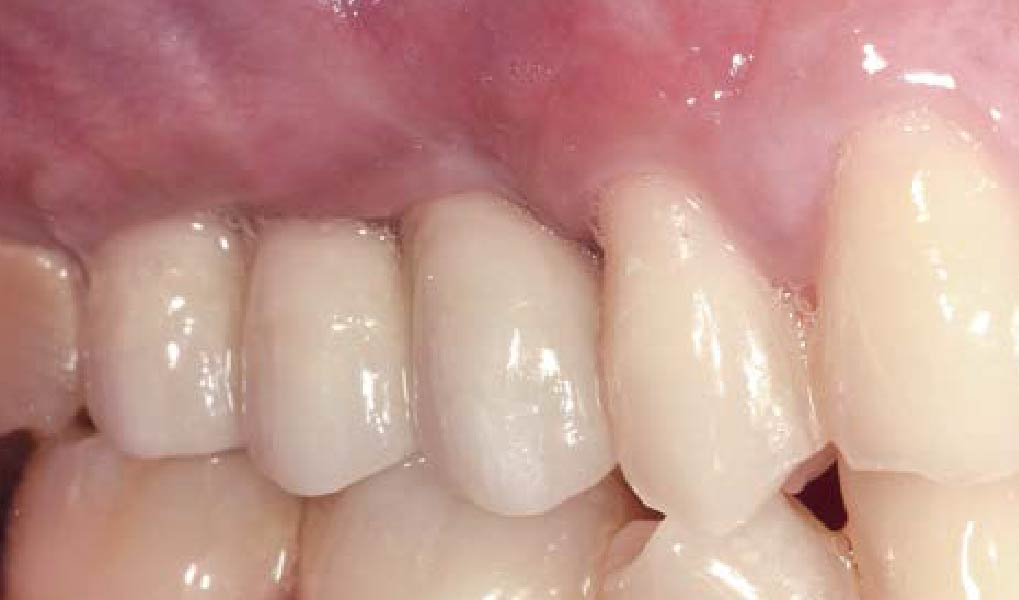
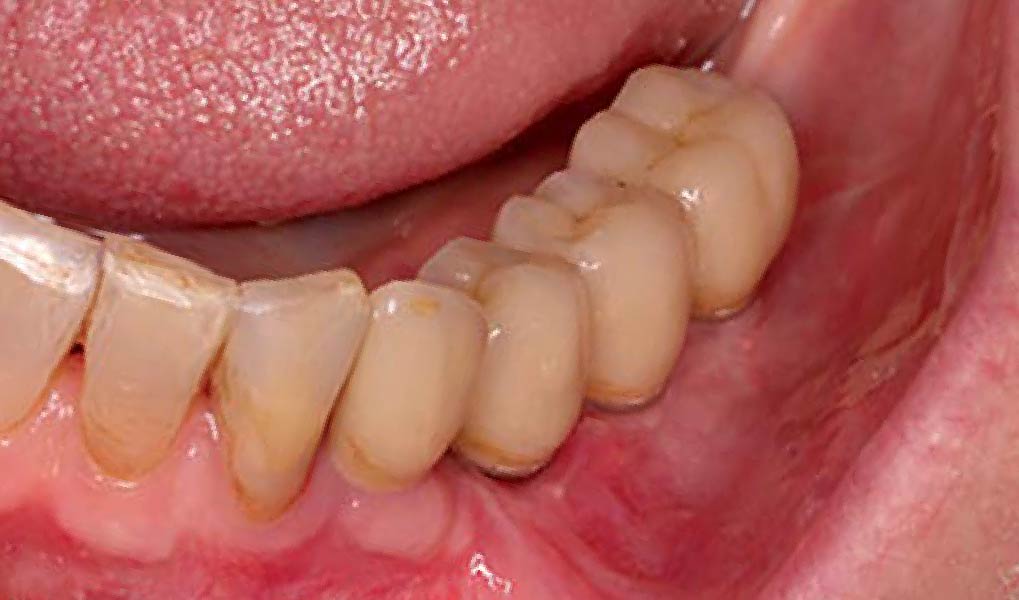
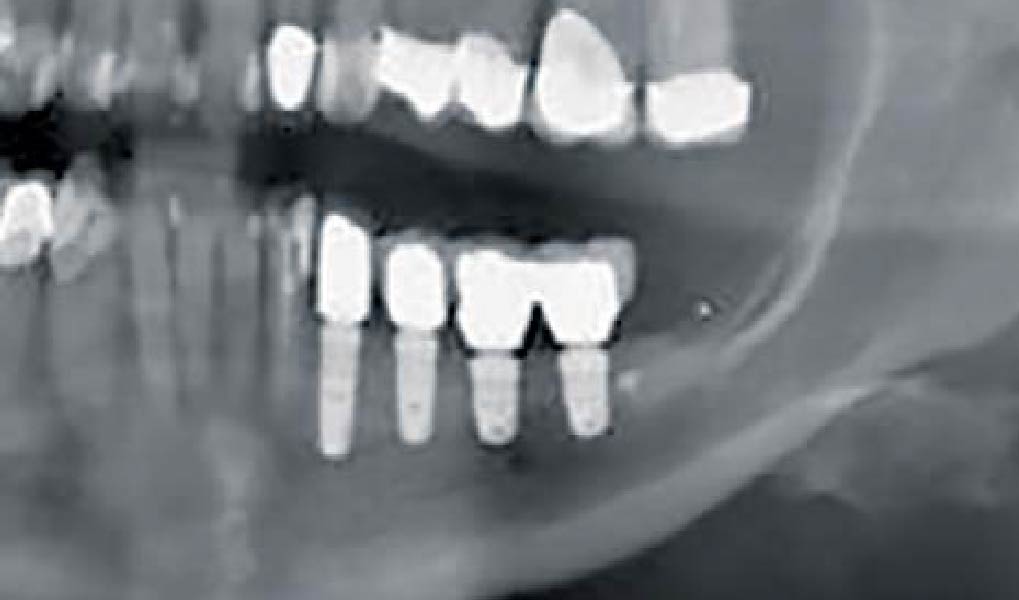
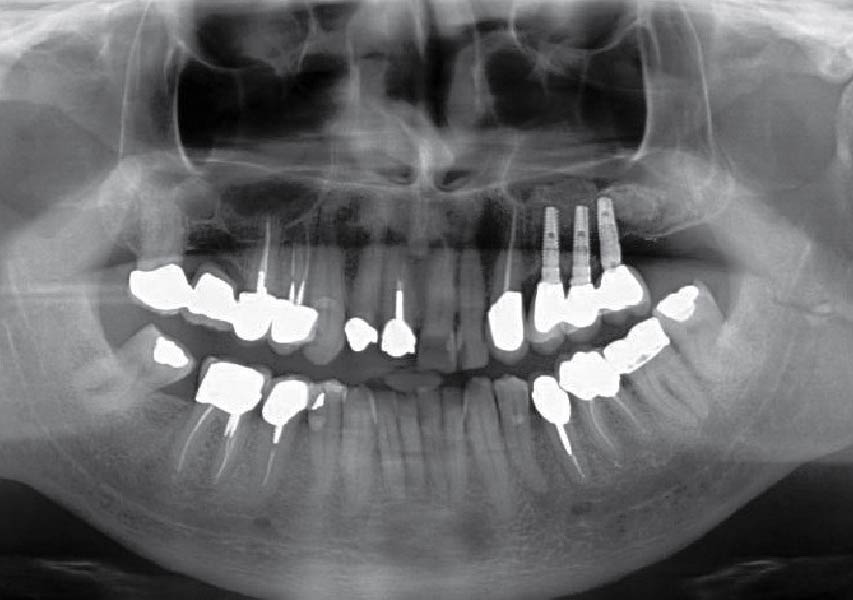
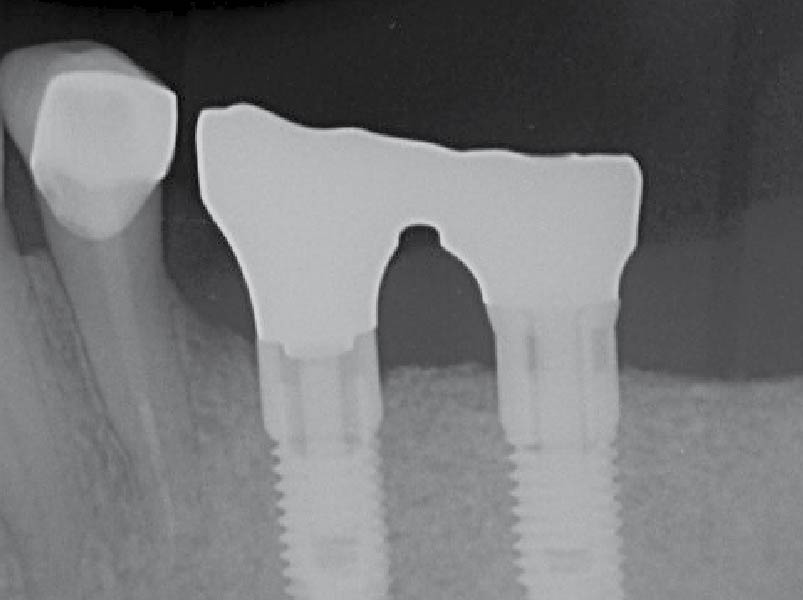
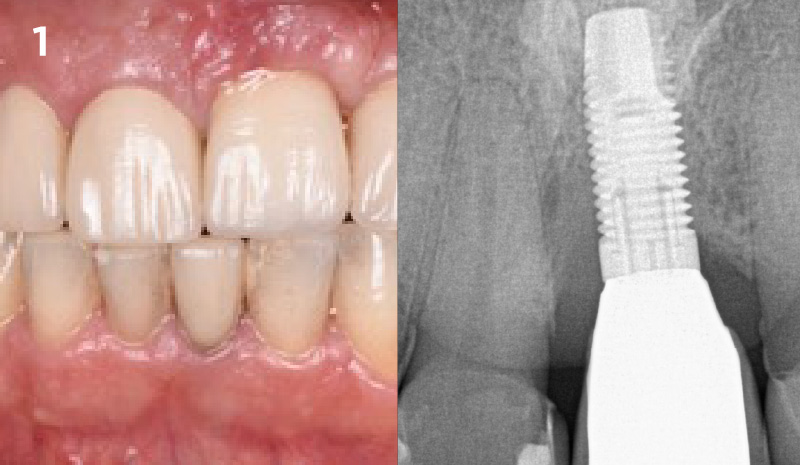
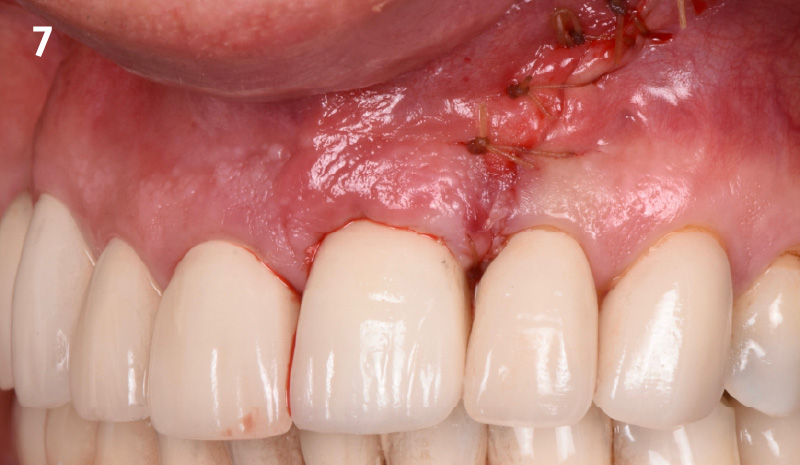
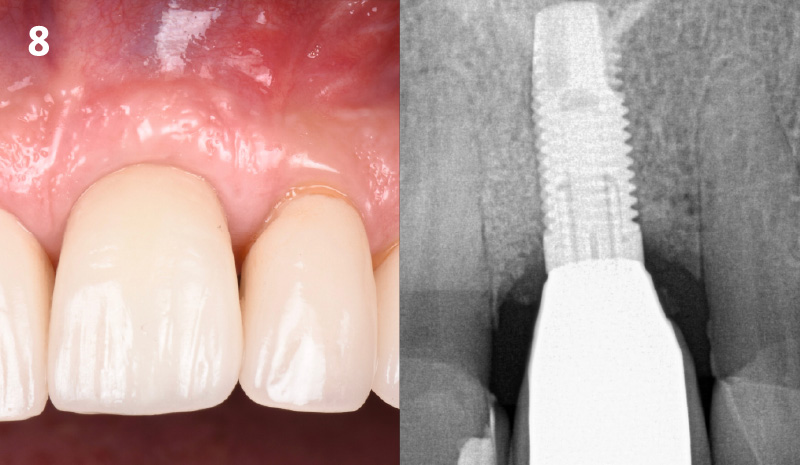
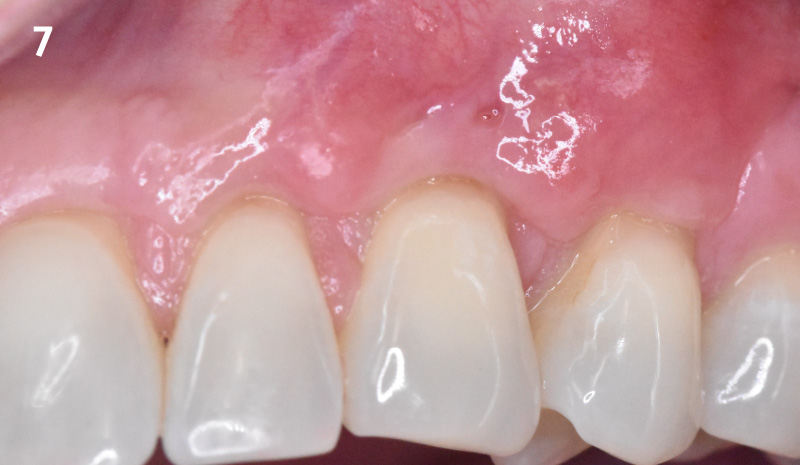
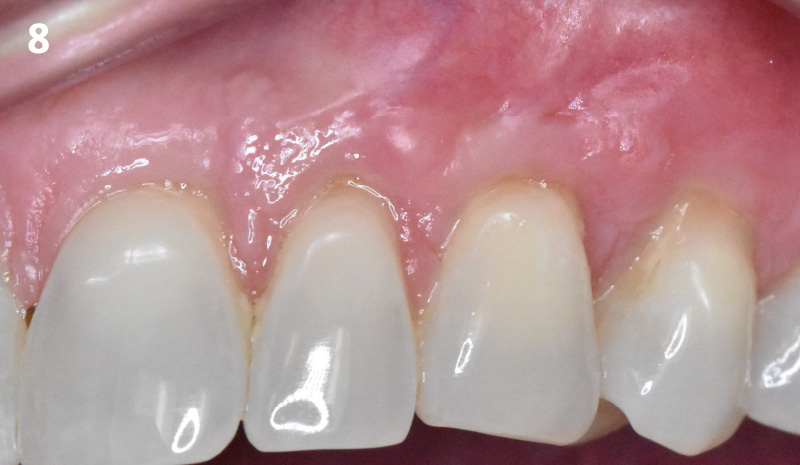
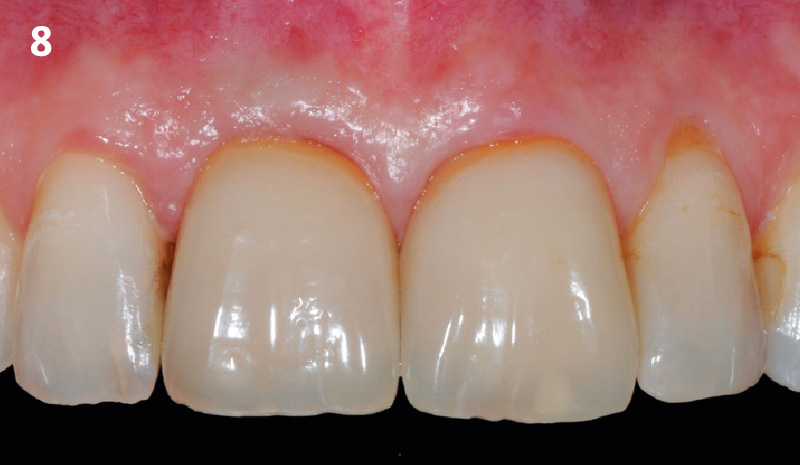
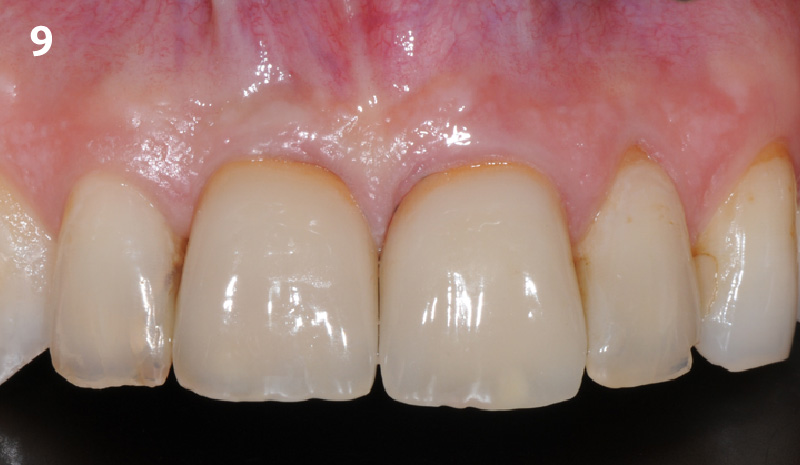
A premolar grafted with Geistlich Bio-Oss Collagen® during implant placement showed good long-term result after 25 years. Satisfactory hard and soft-tissue contour are present 25 years after implantation.

CLINICAL SITUATION:
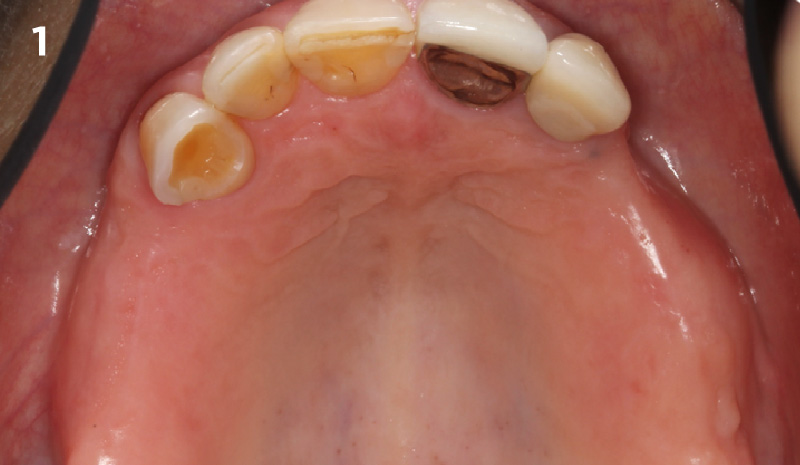
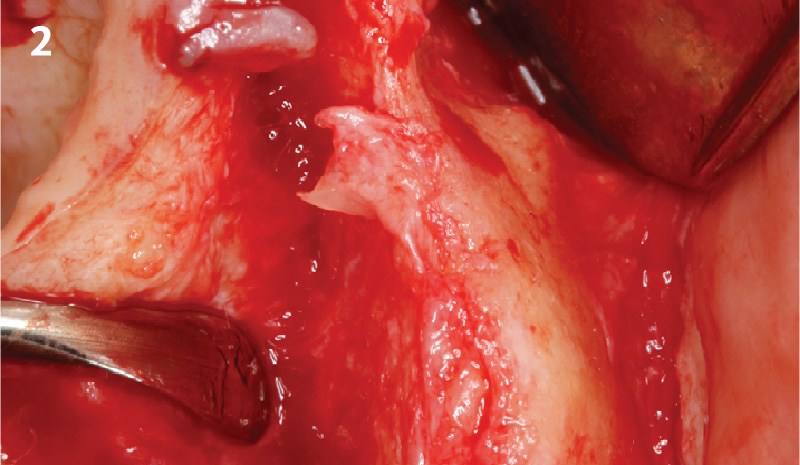
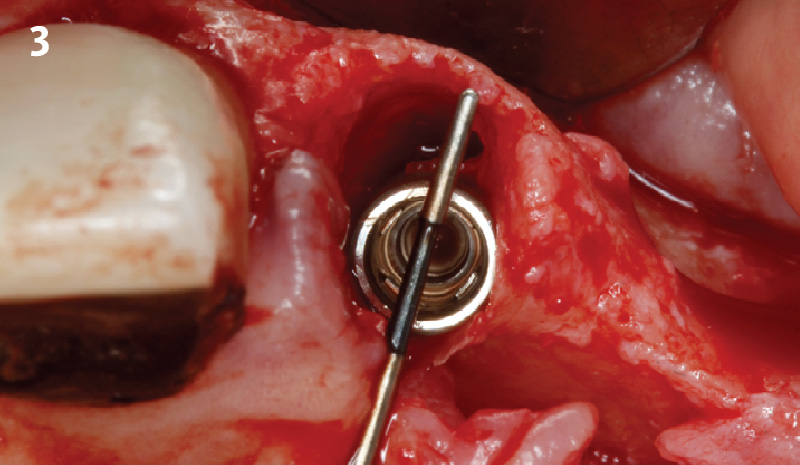
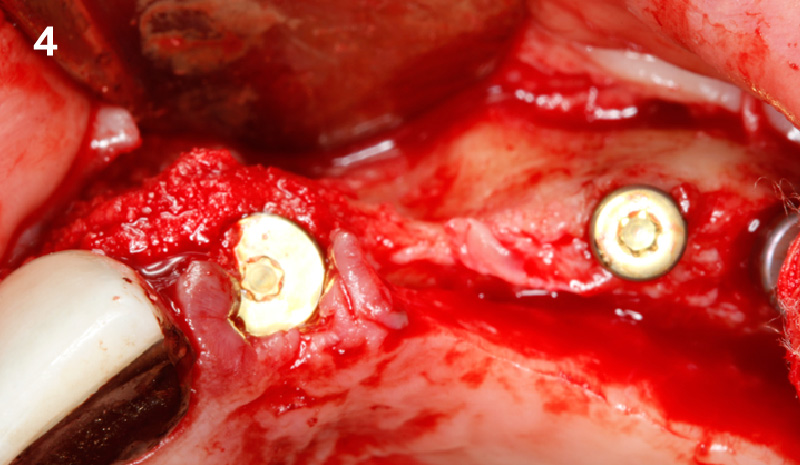
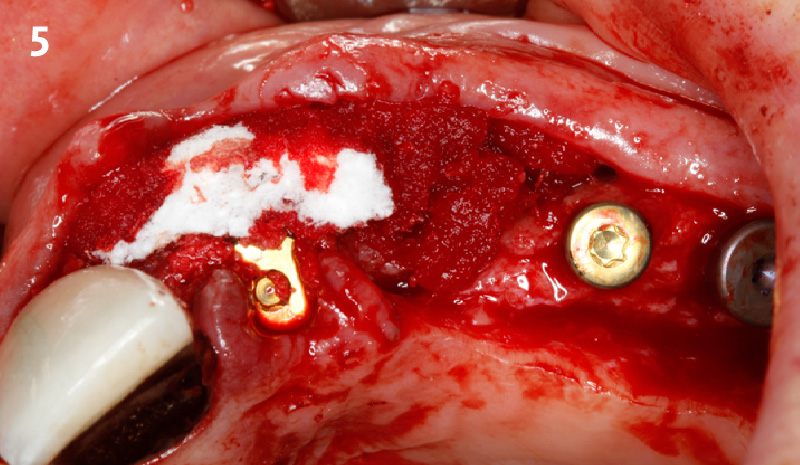
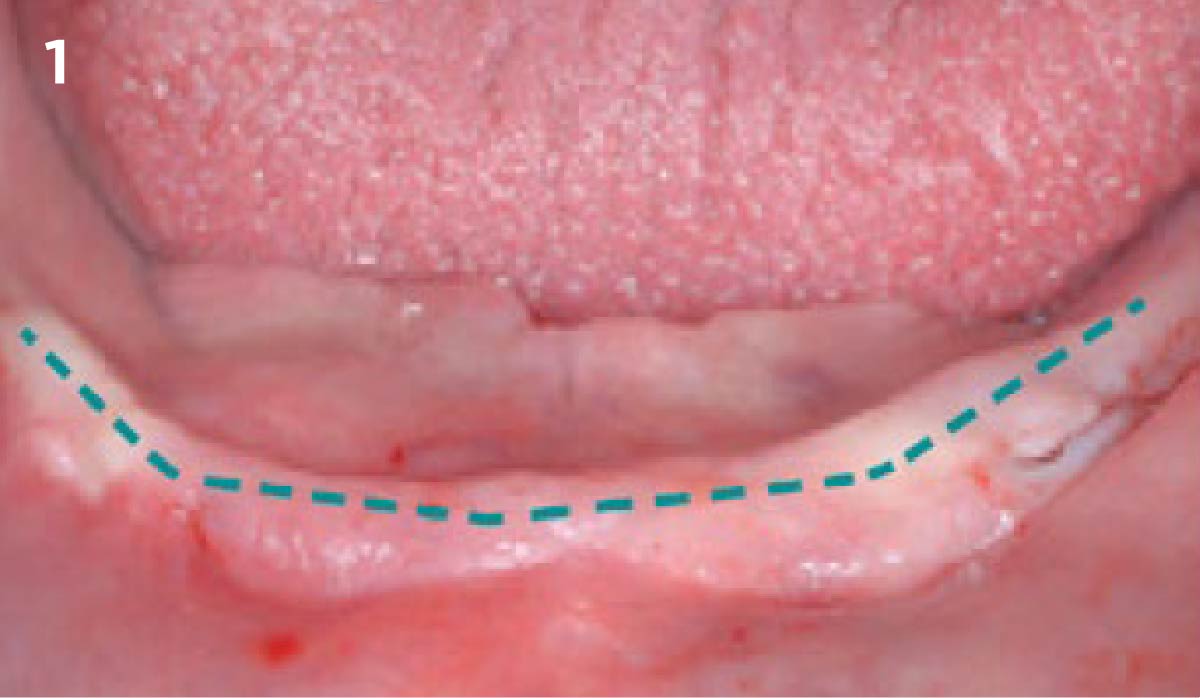
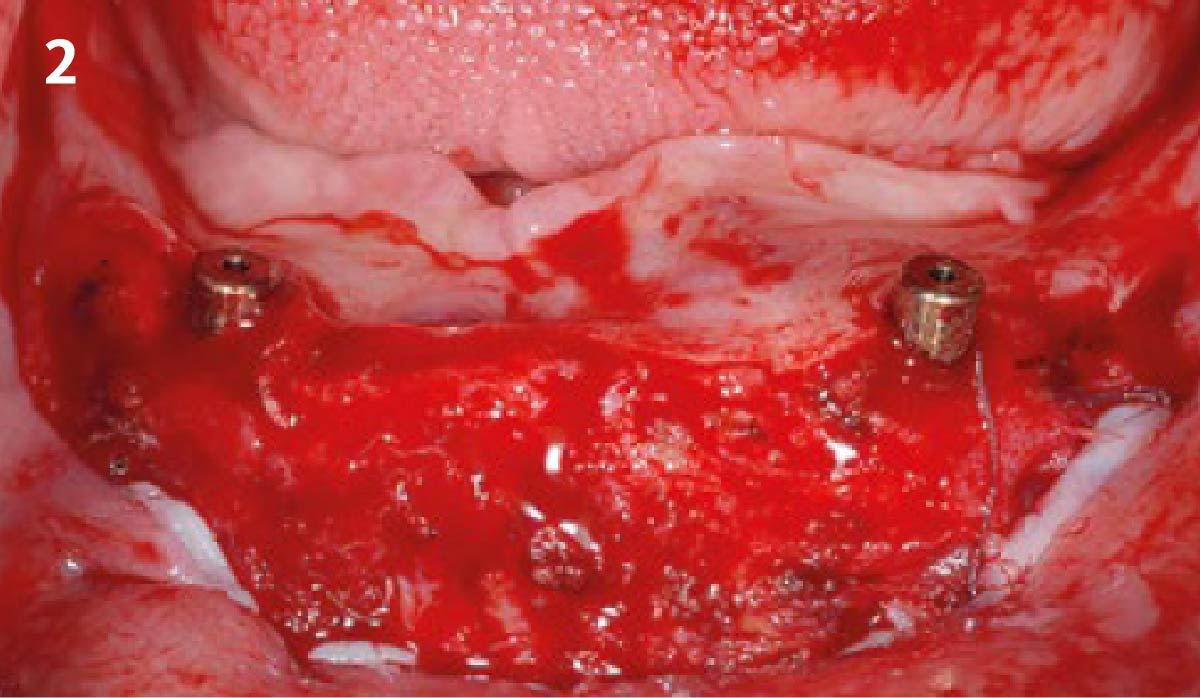
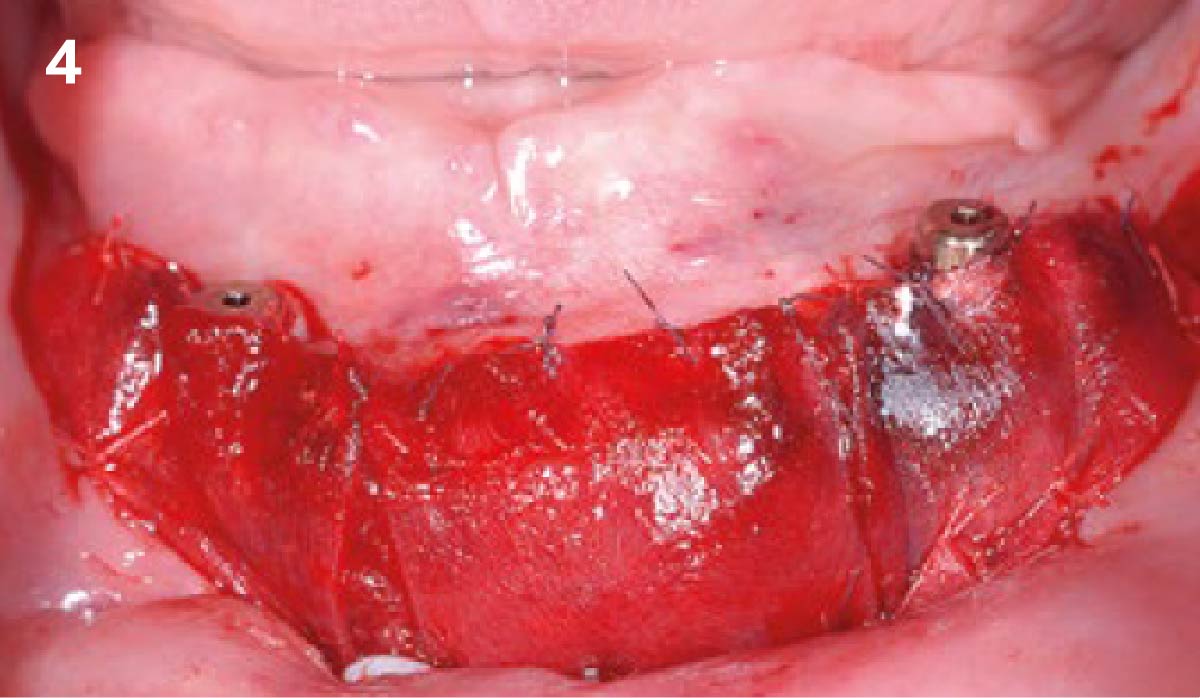
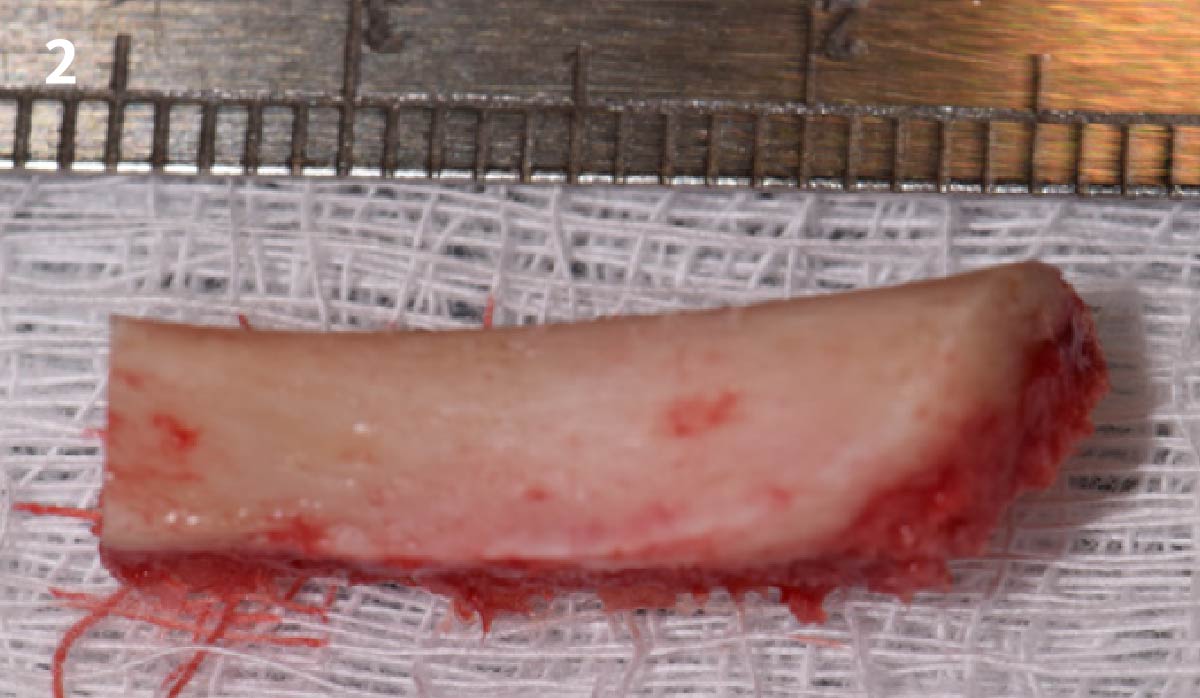
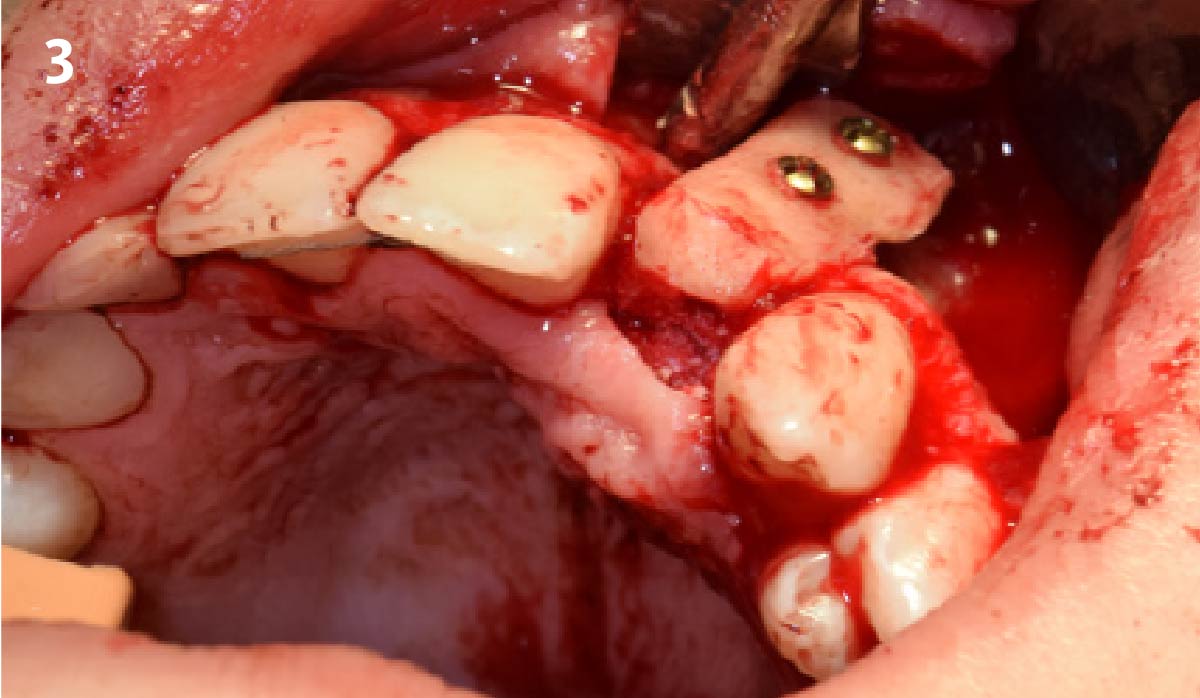
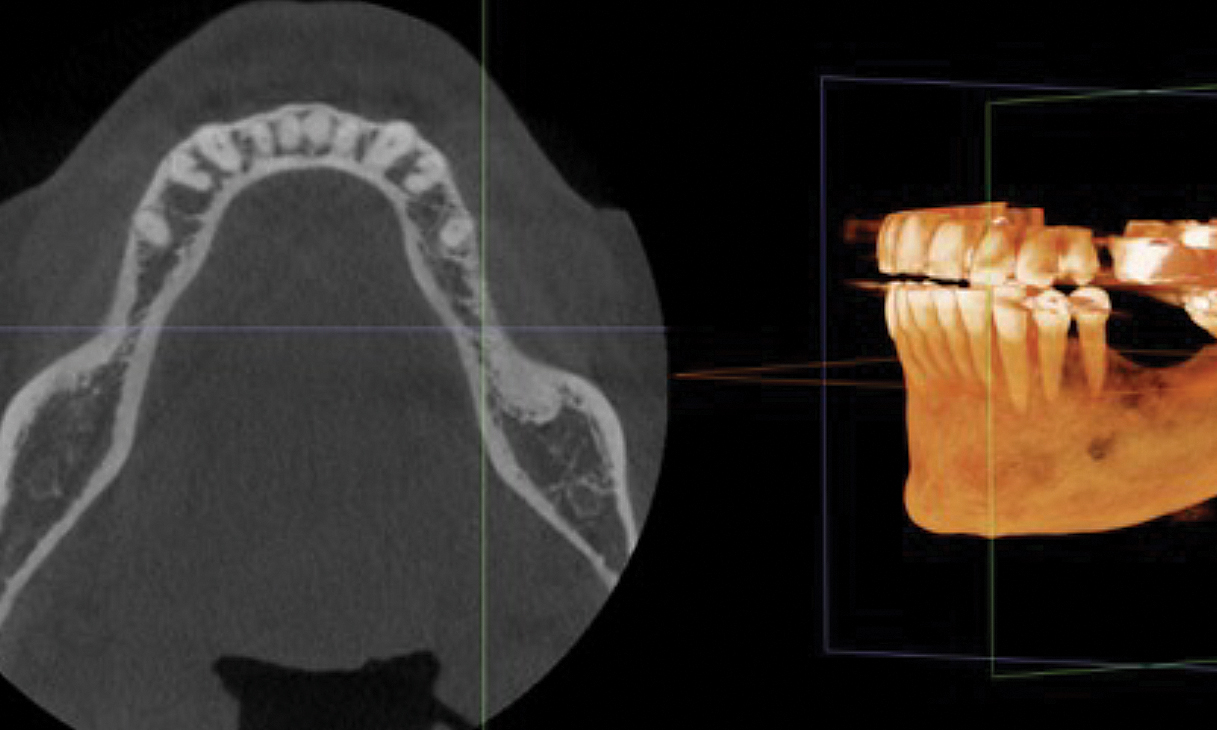
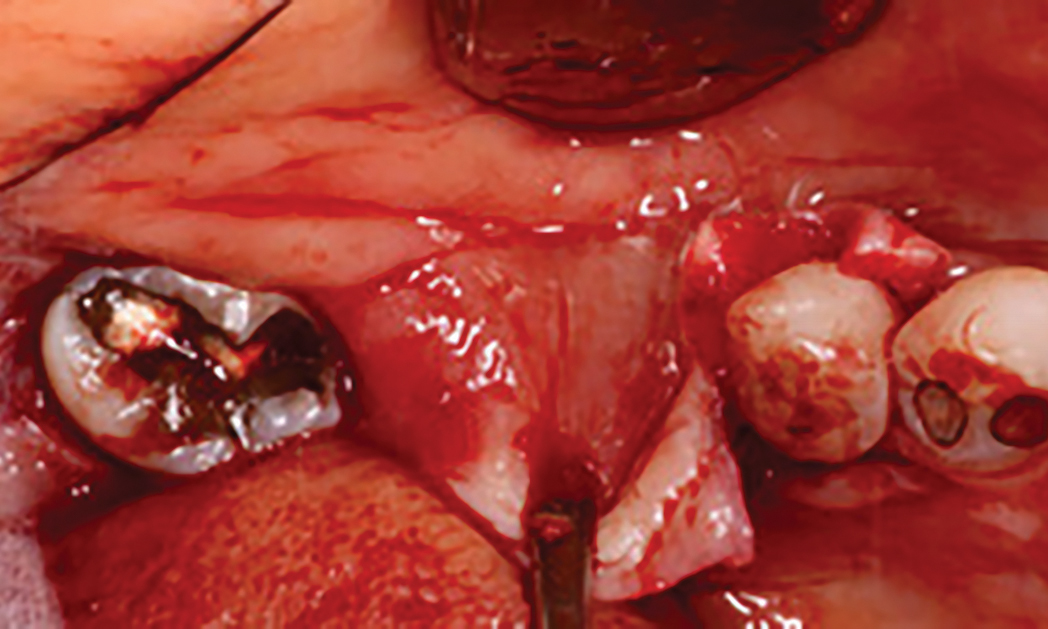
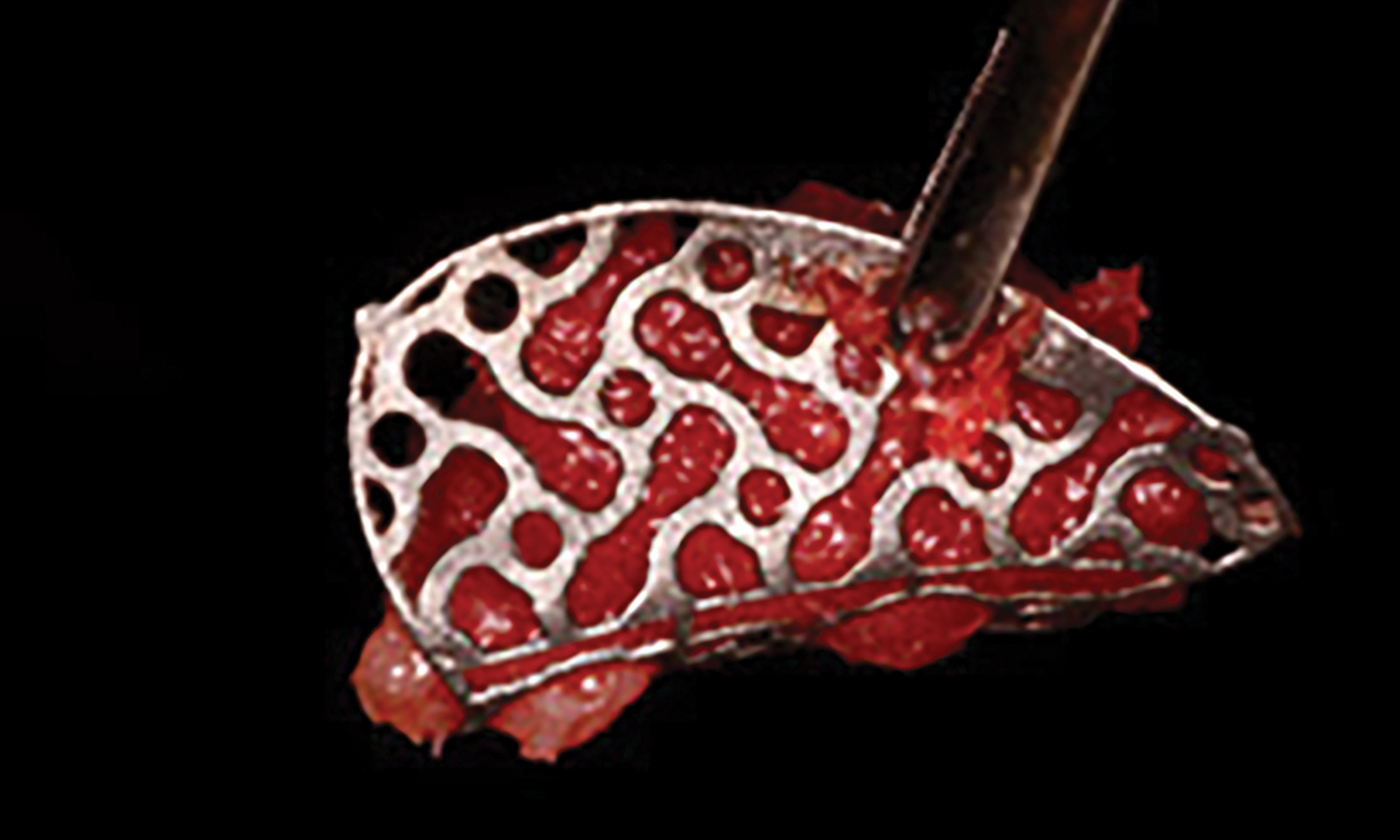
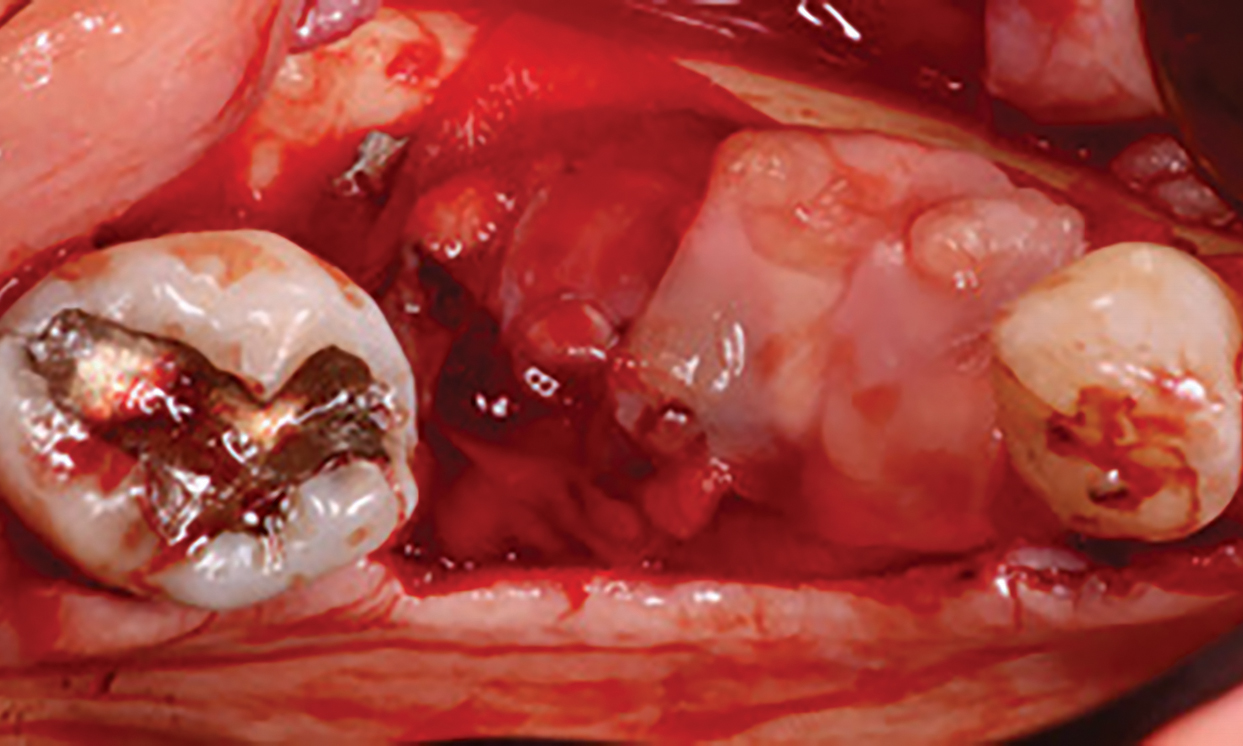
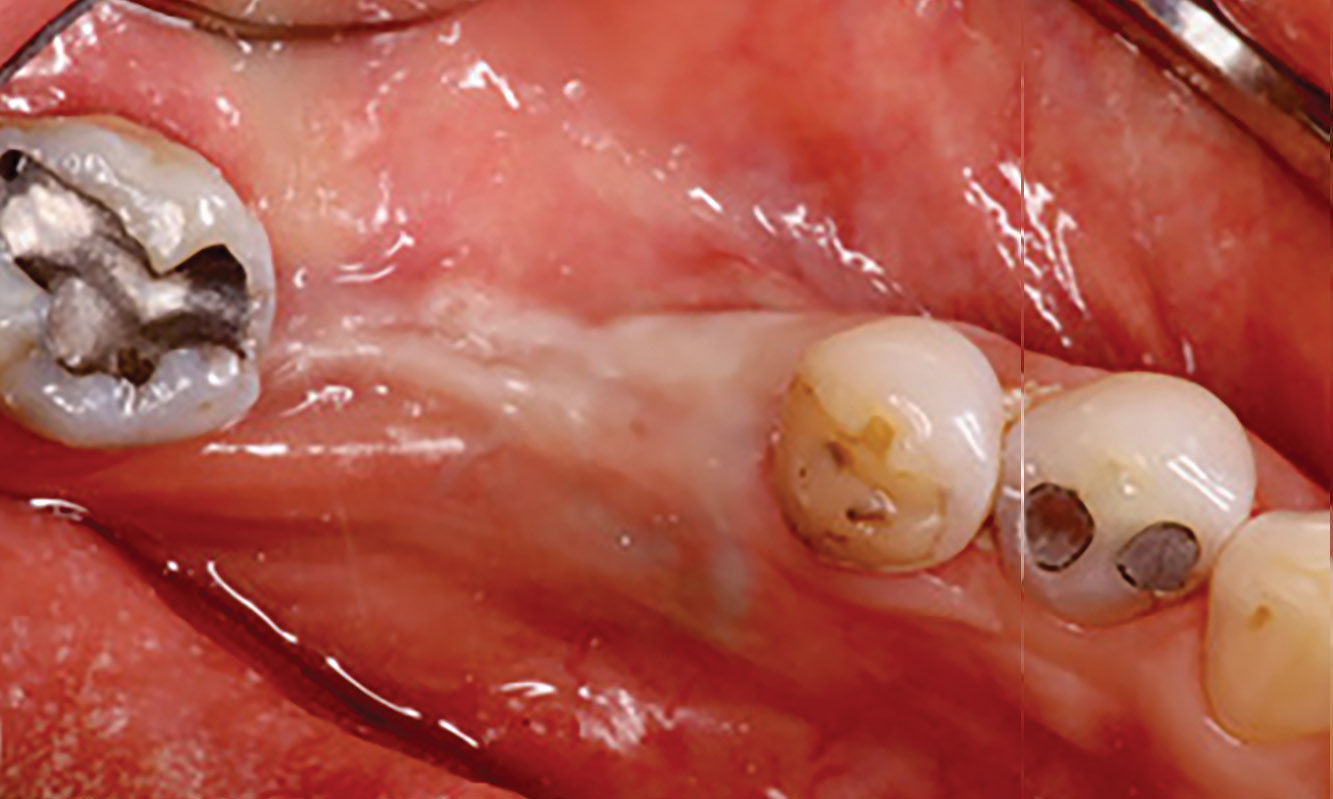
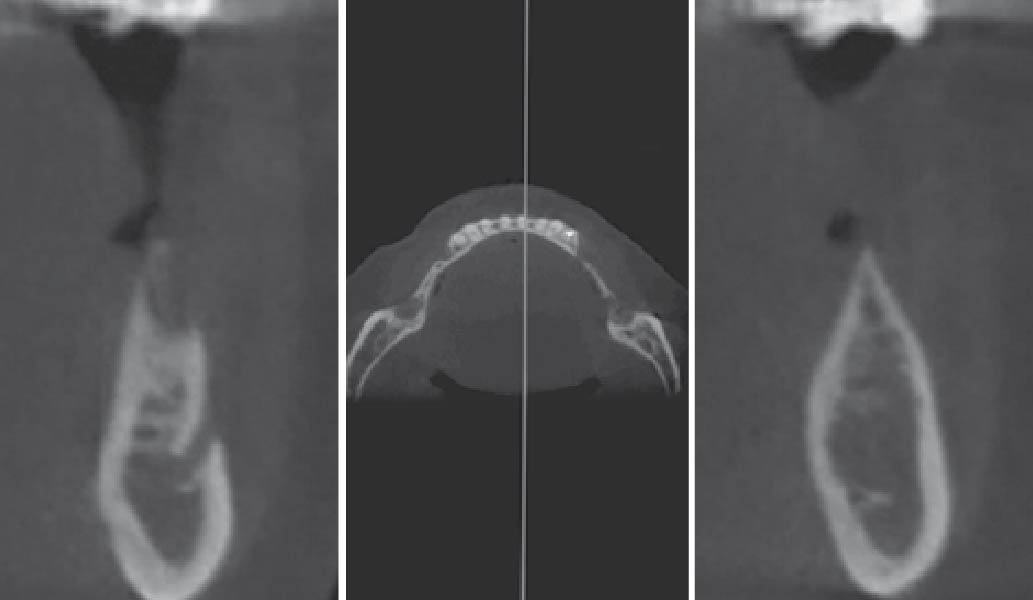
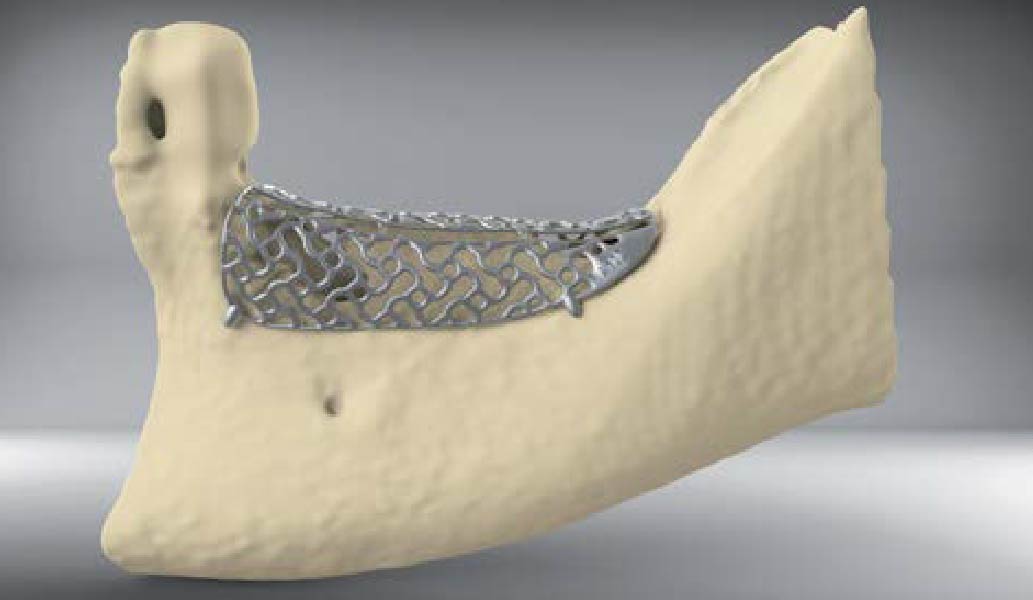
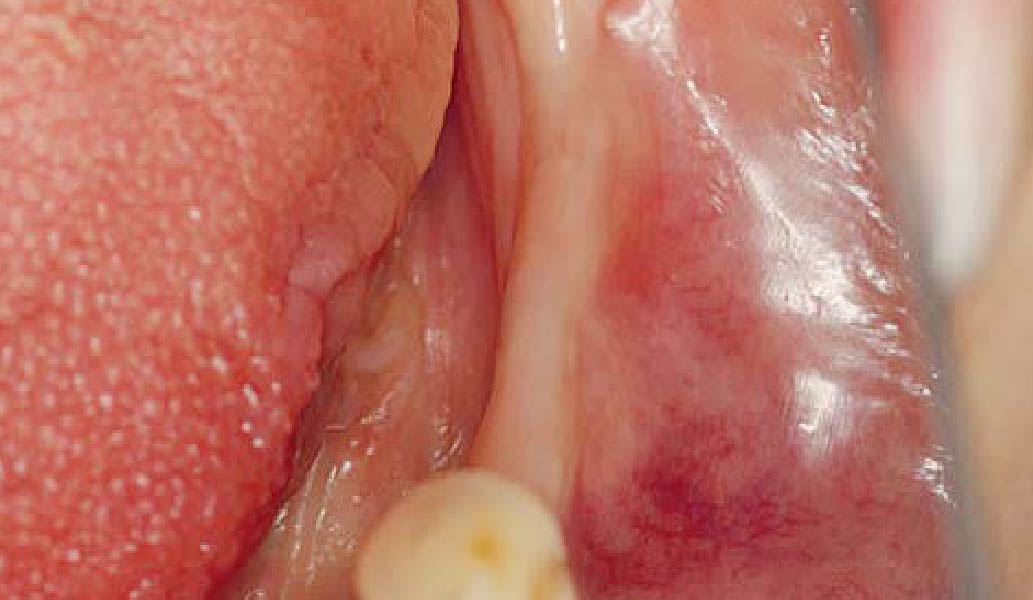
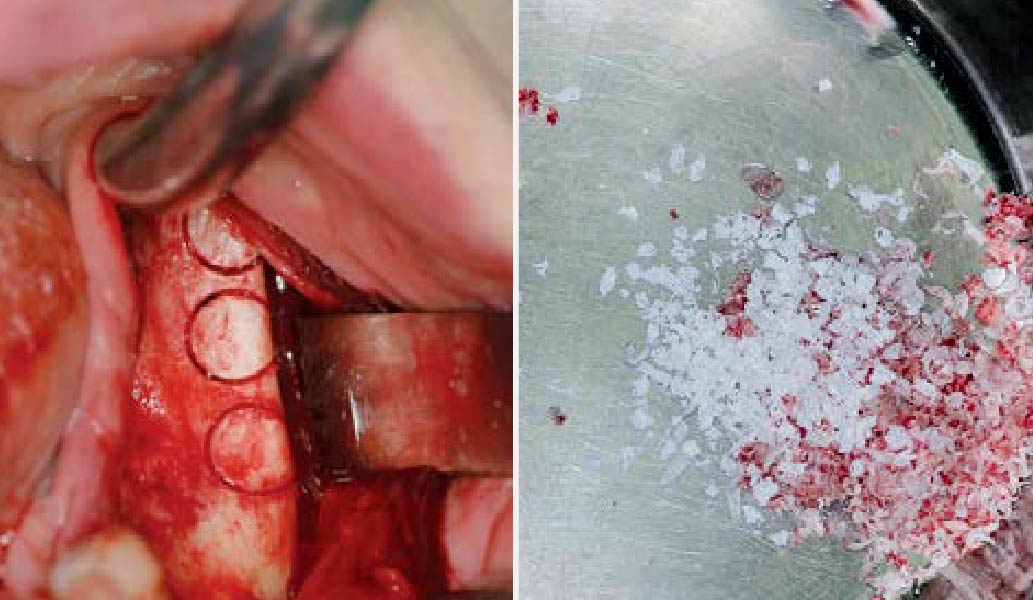
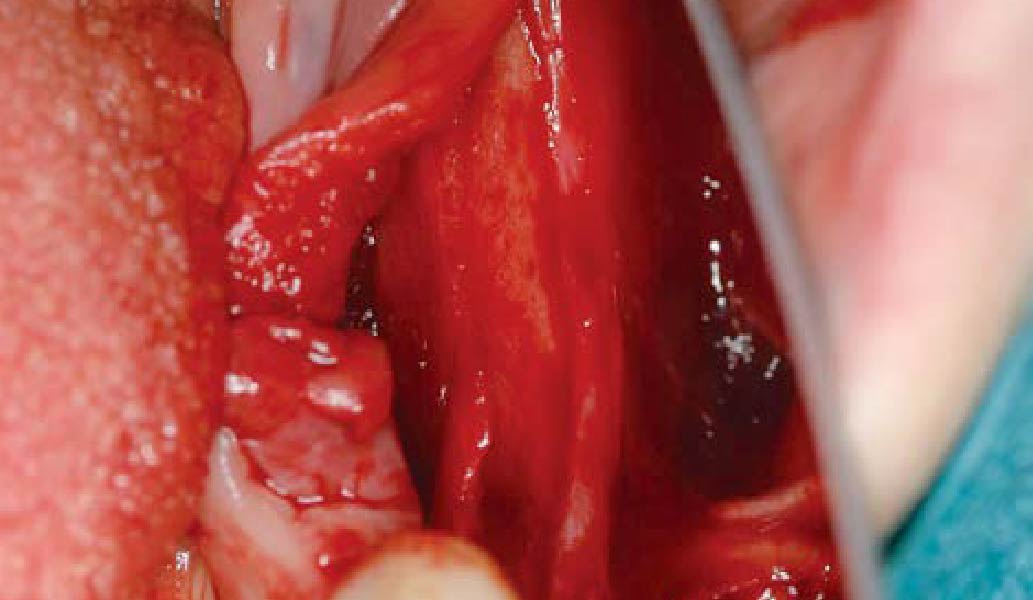
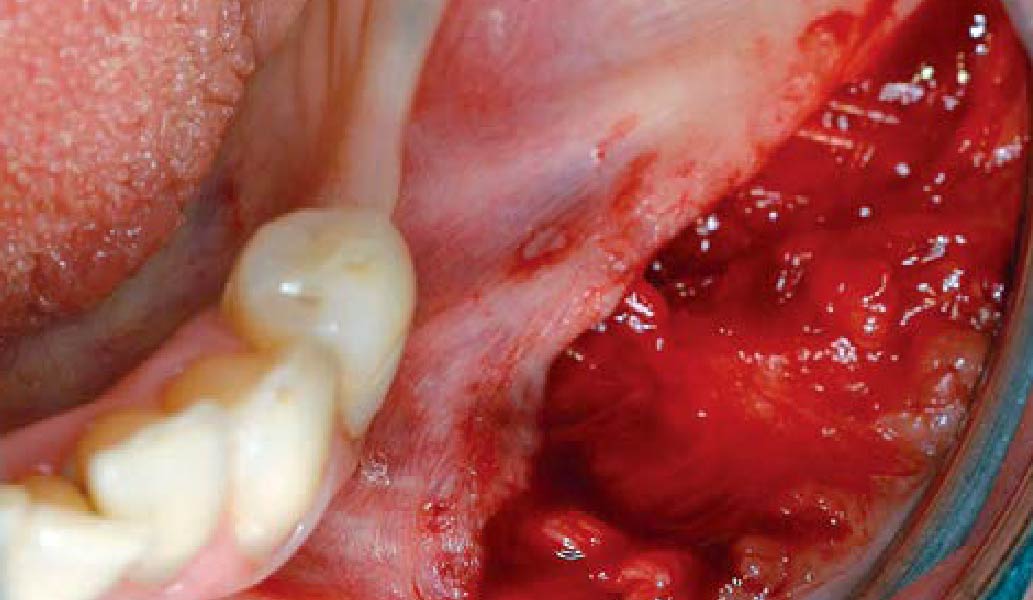
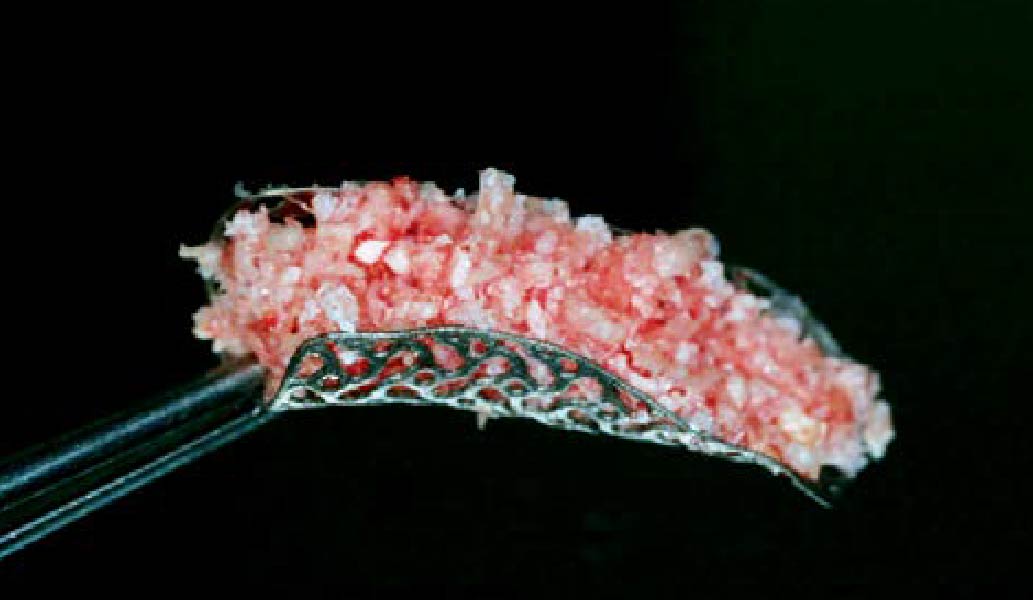
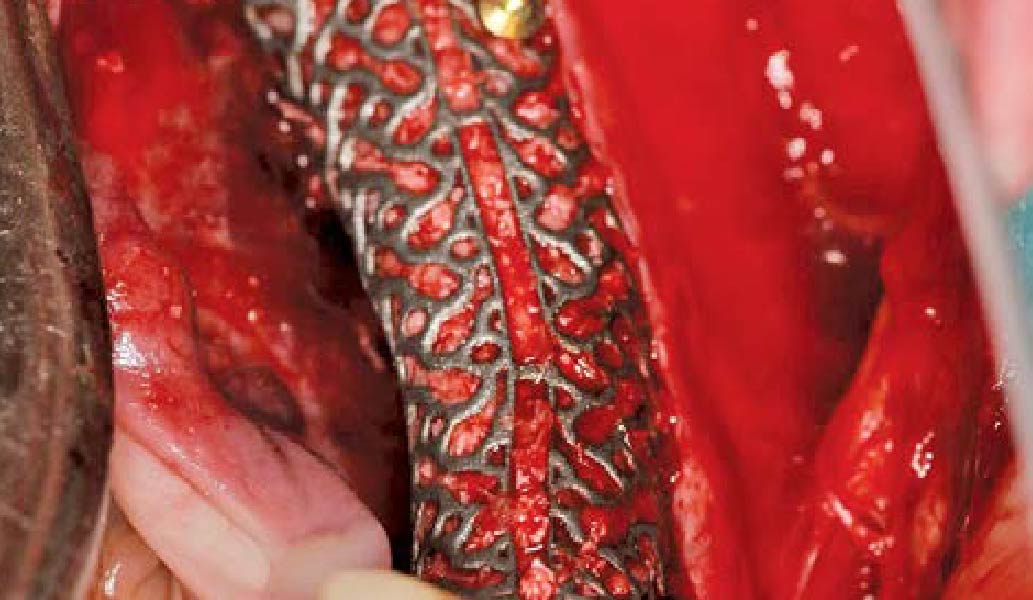
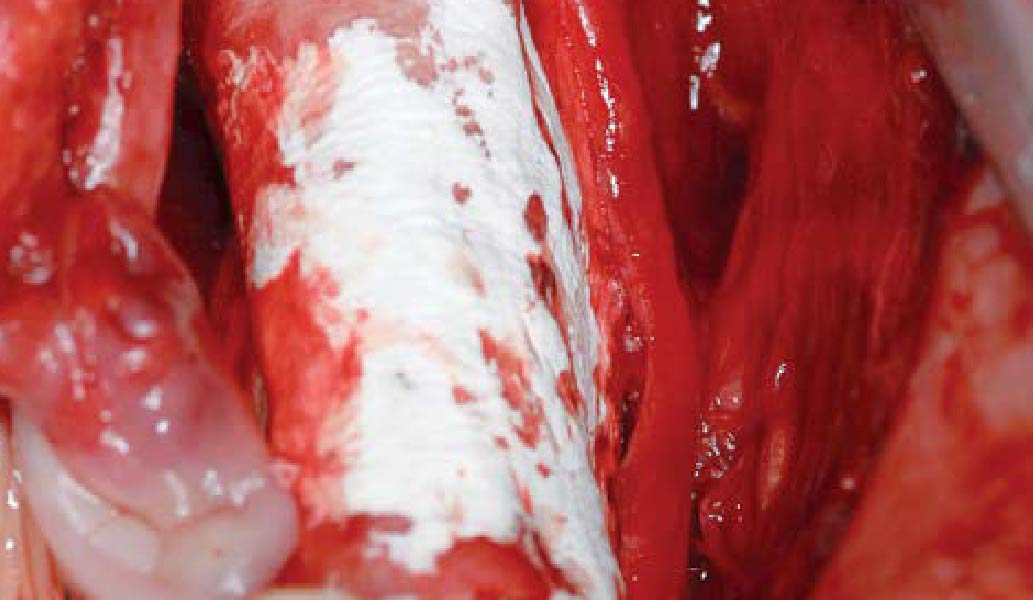
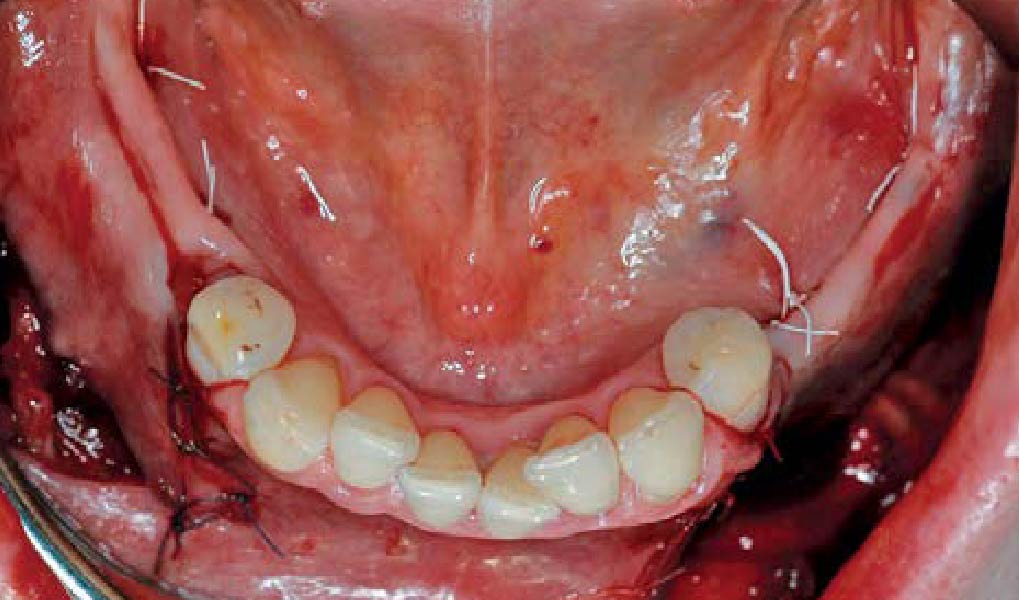
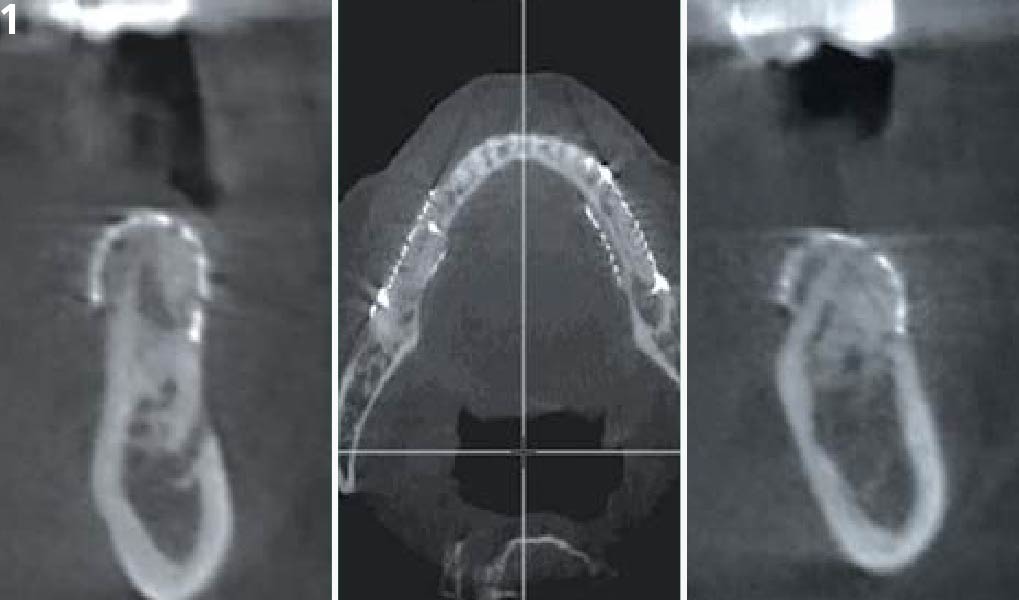
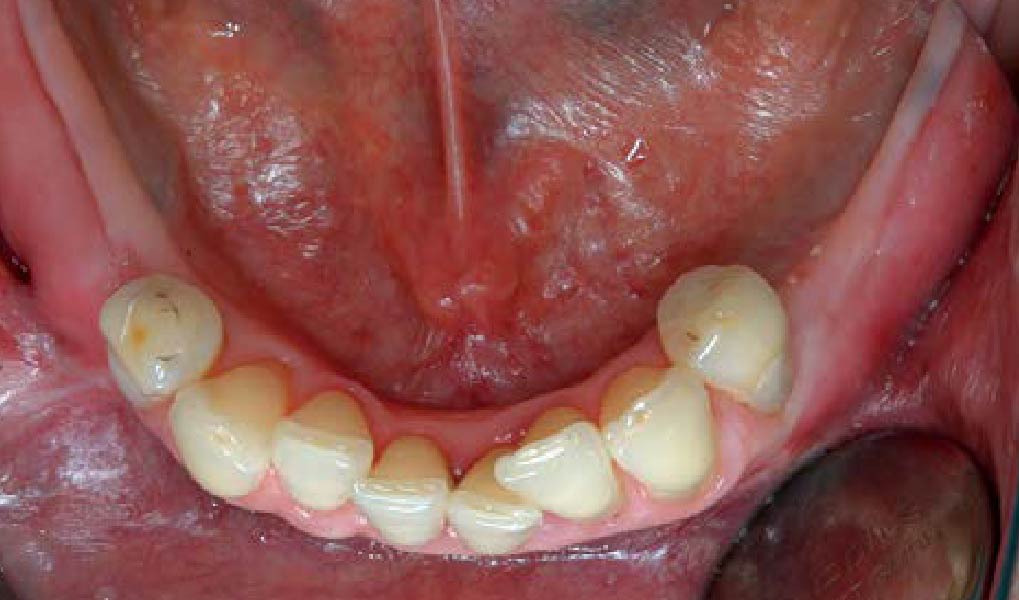
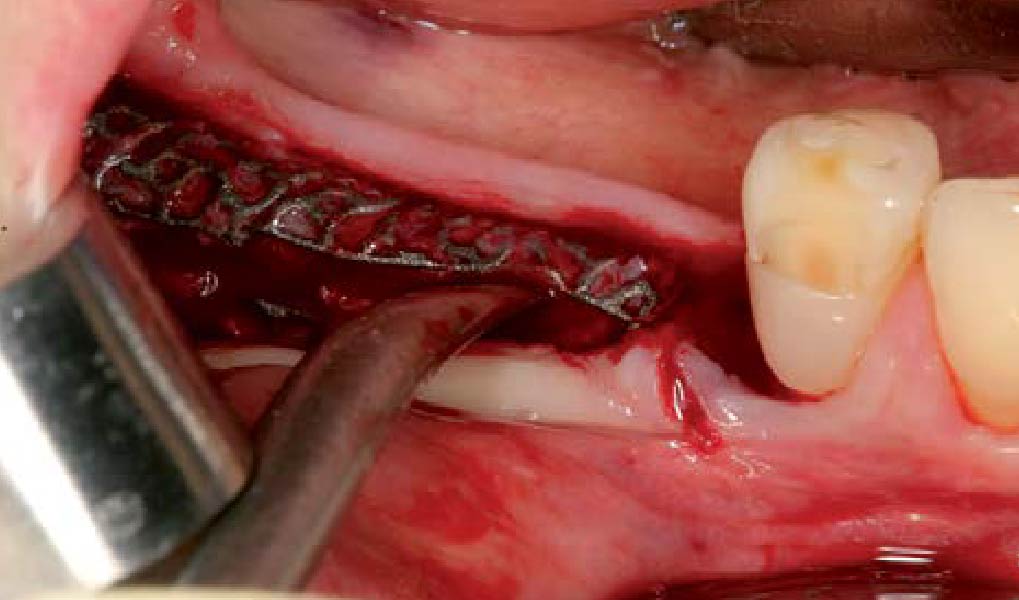
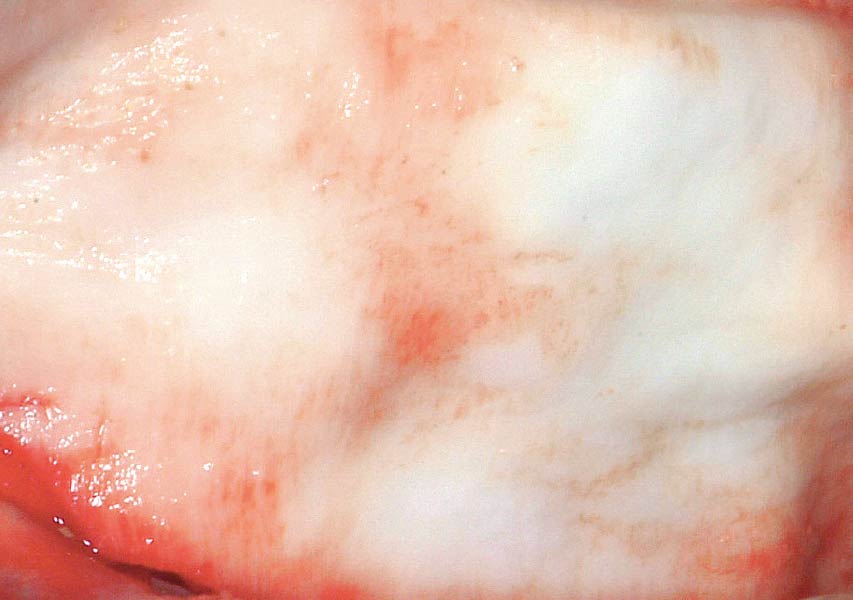
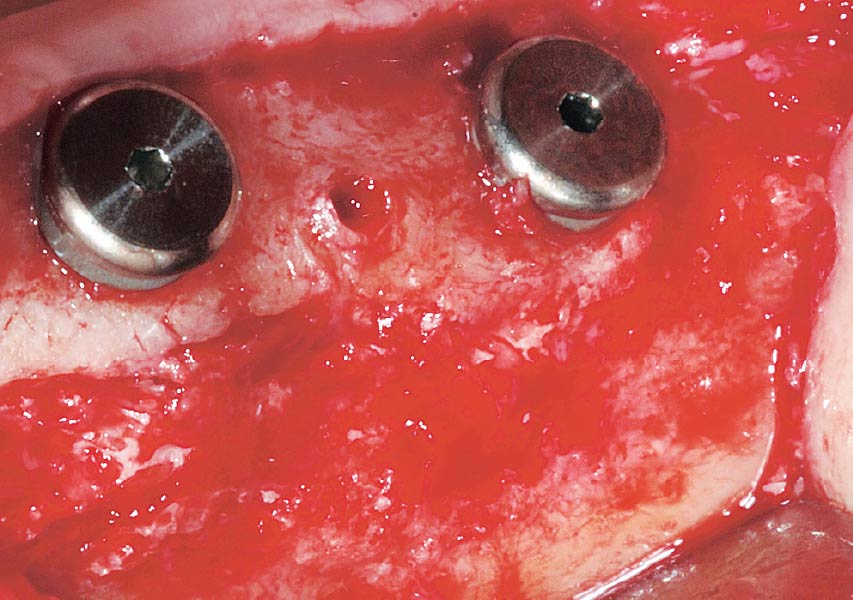
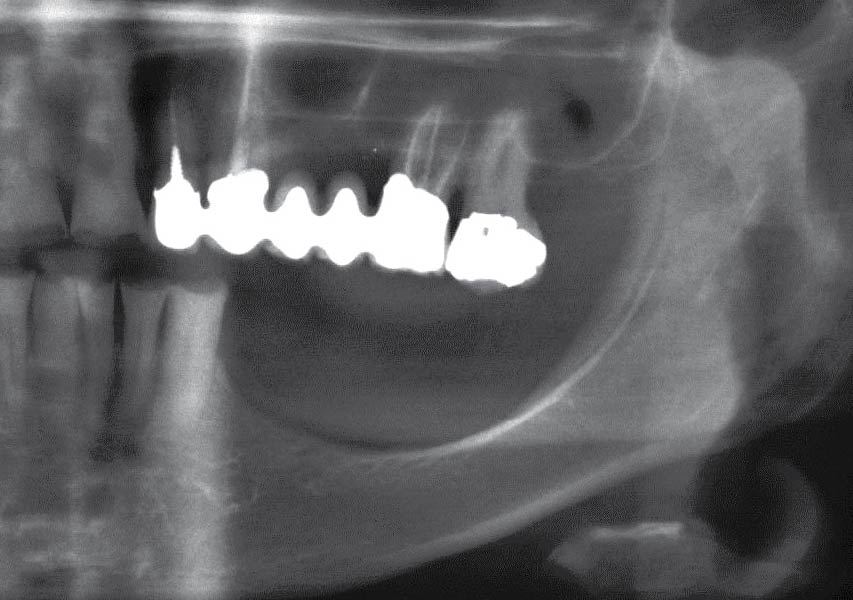
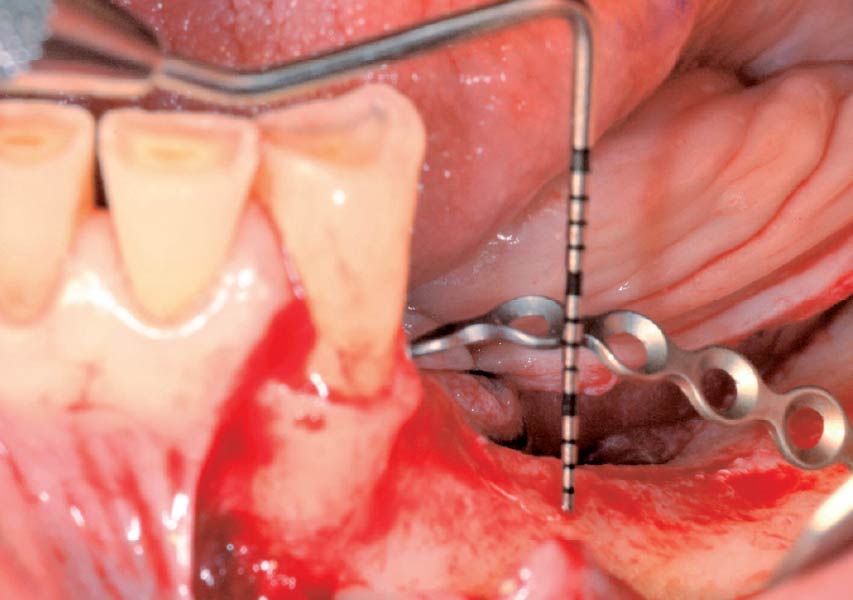
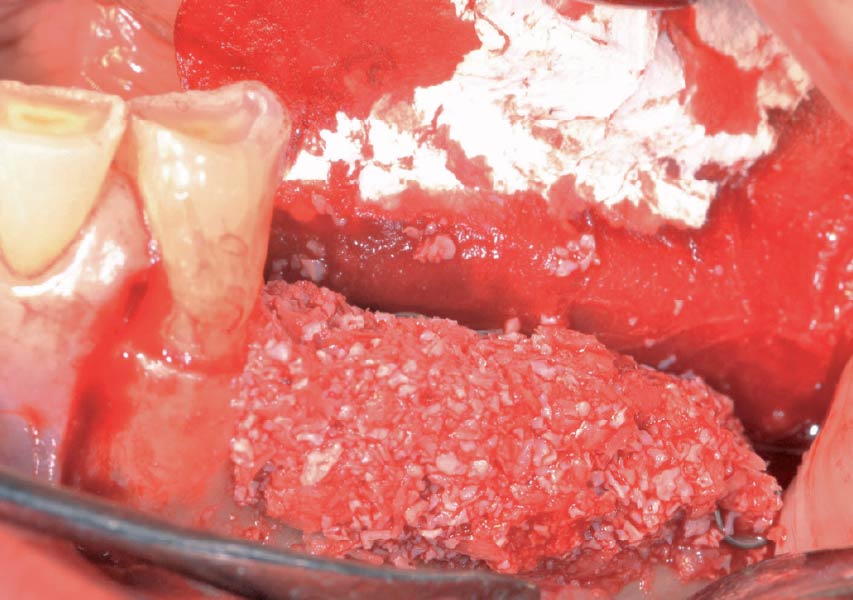
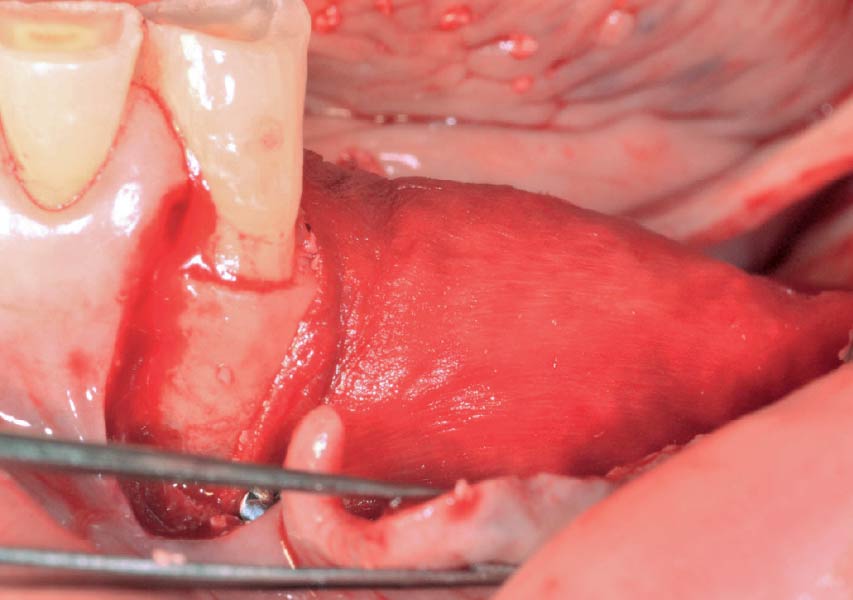
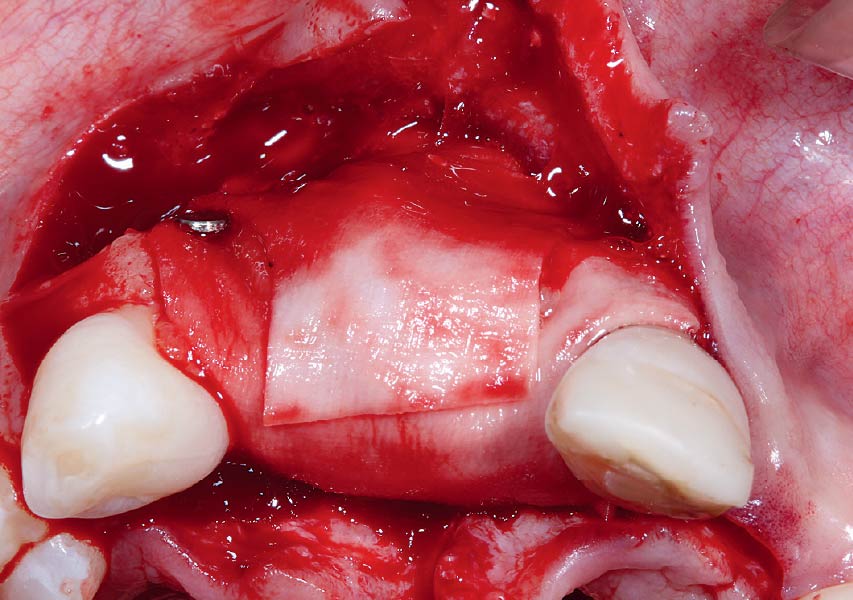
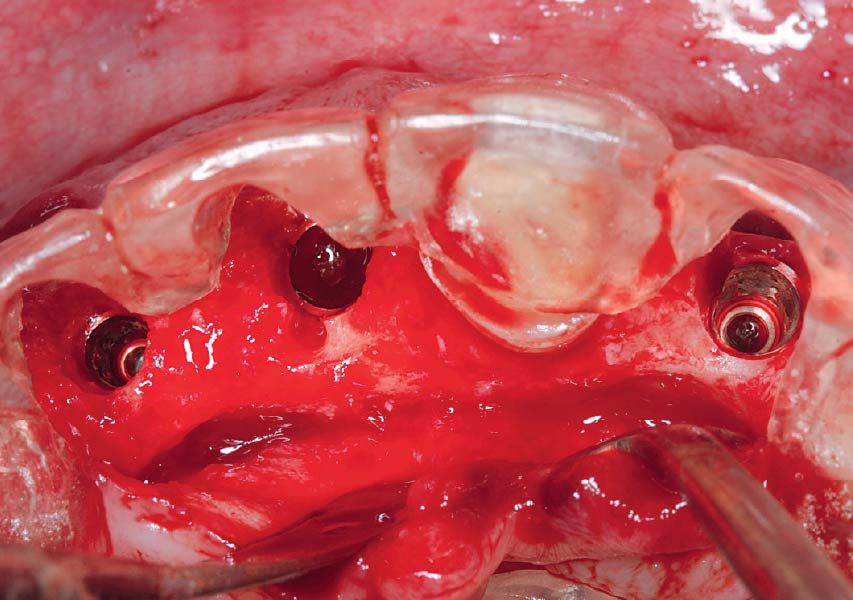
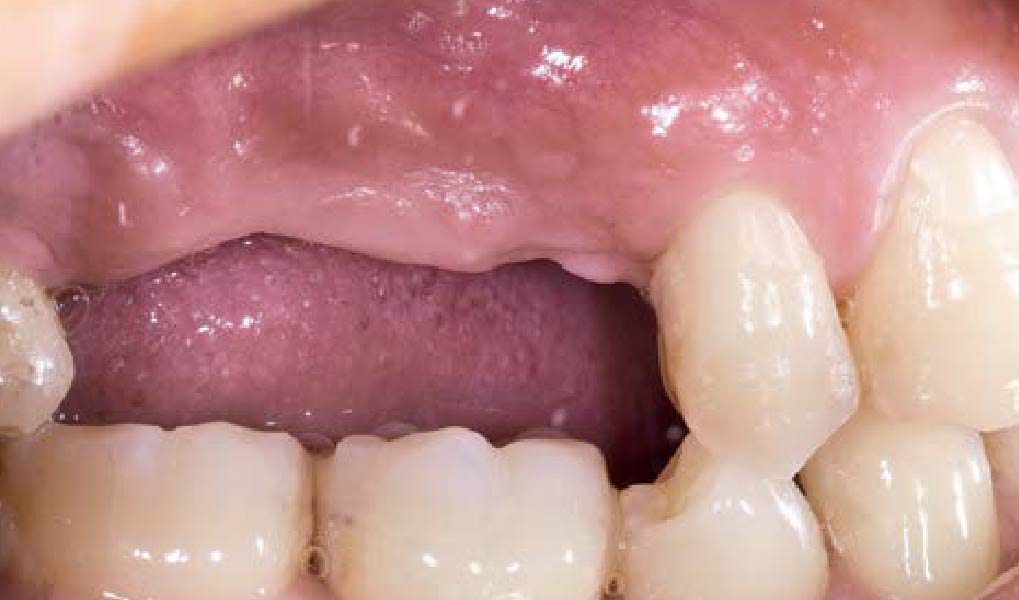
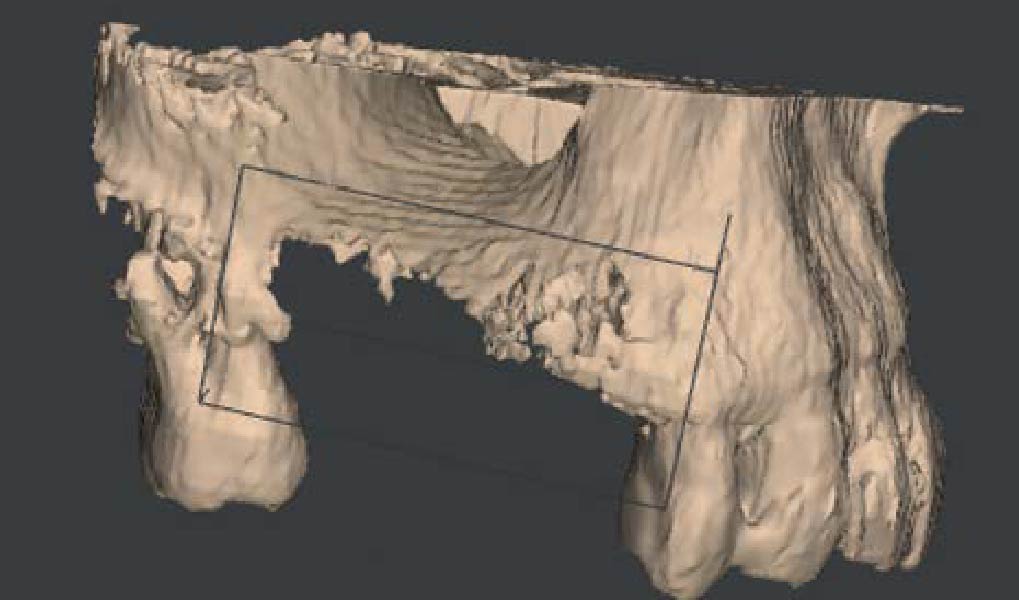
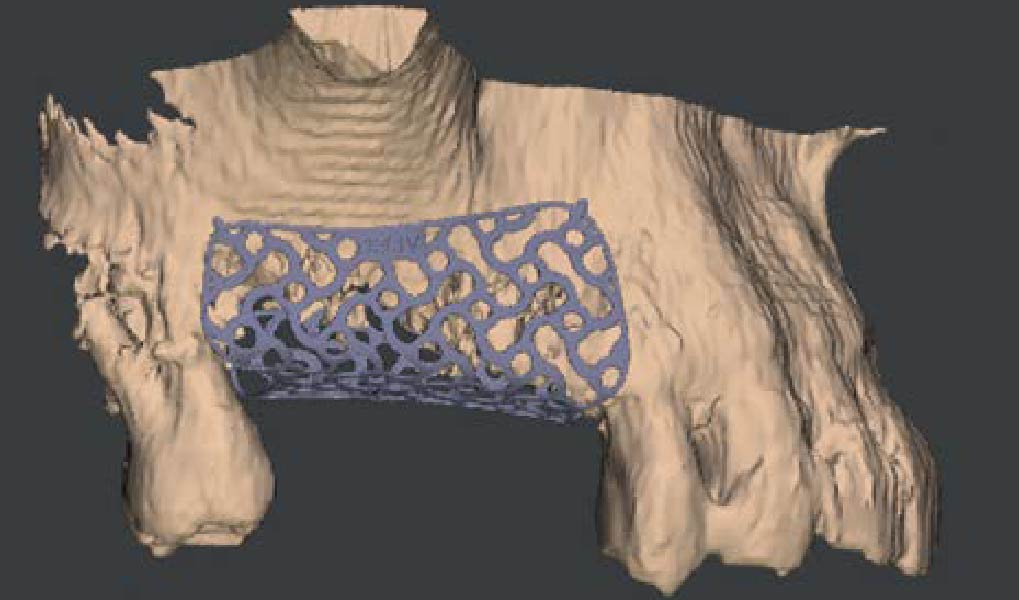
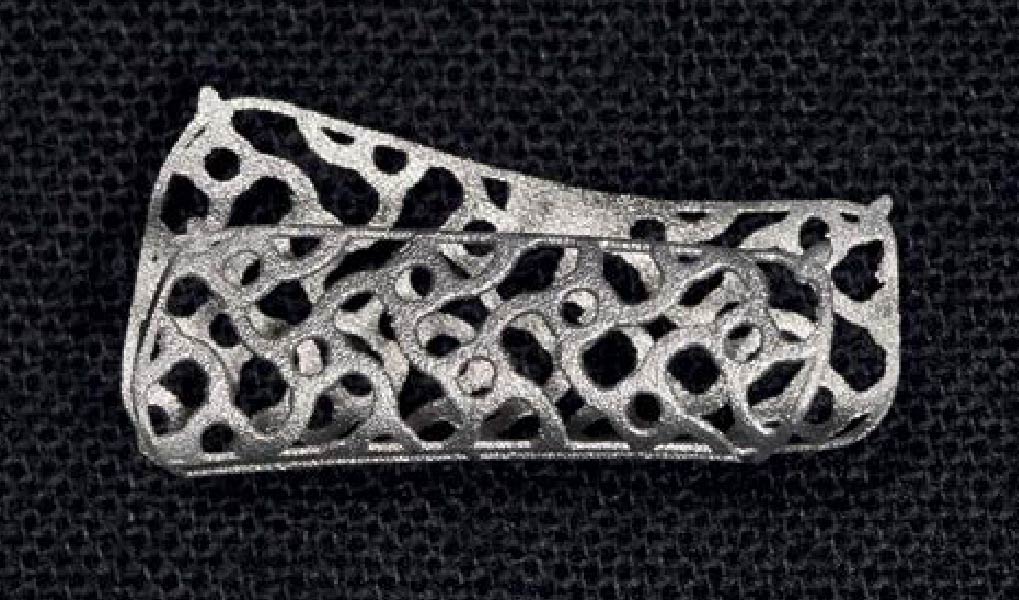
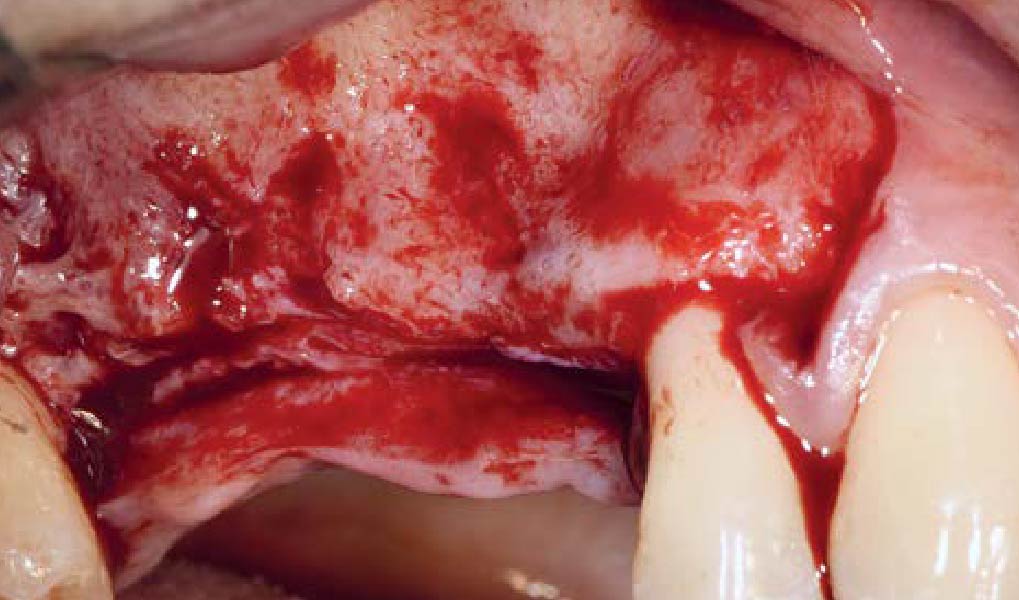
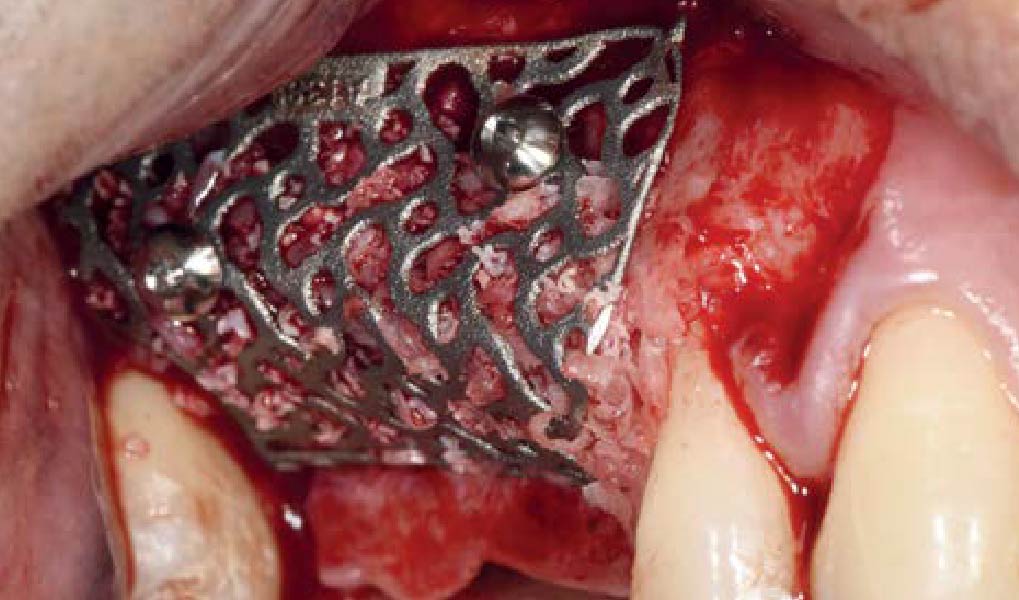
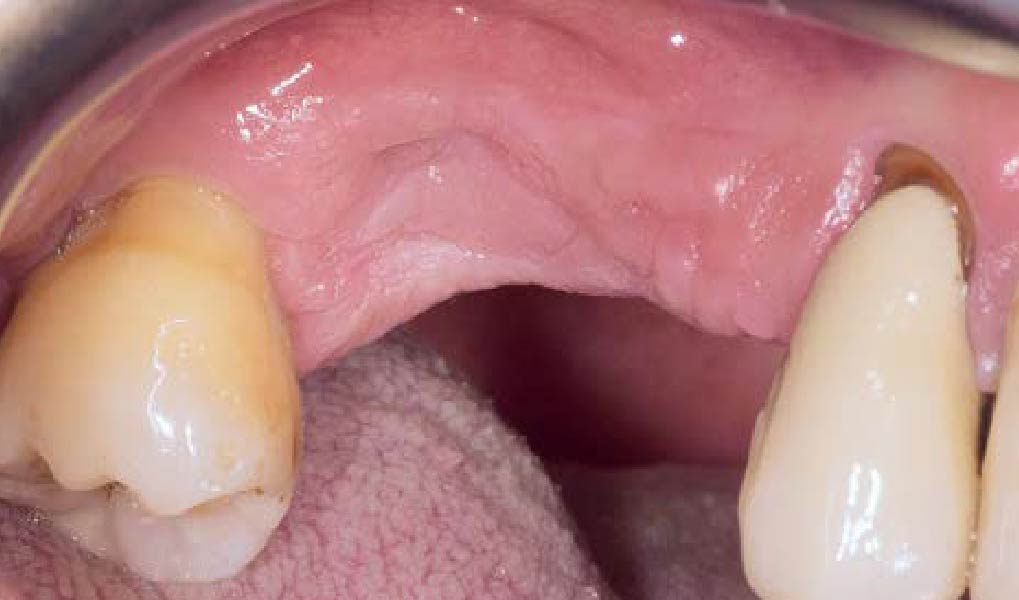
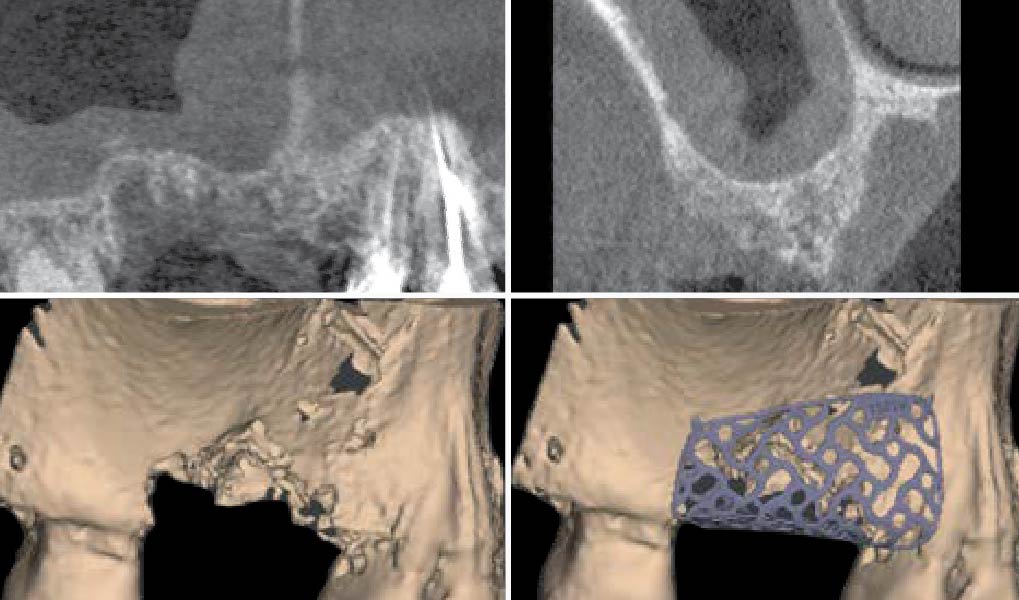
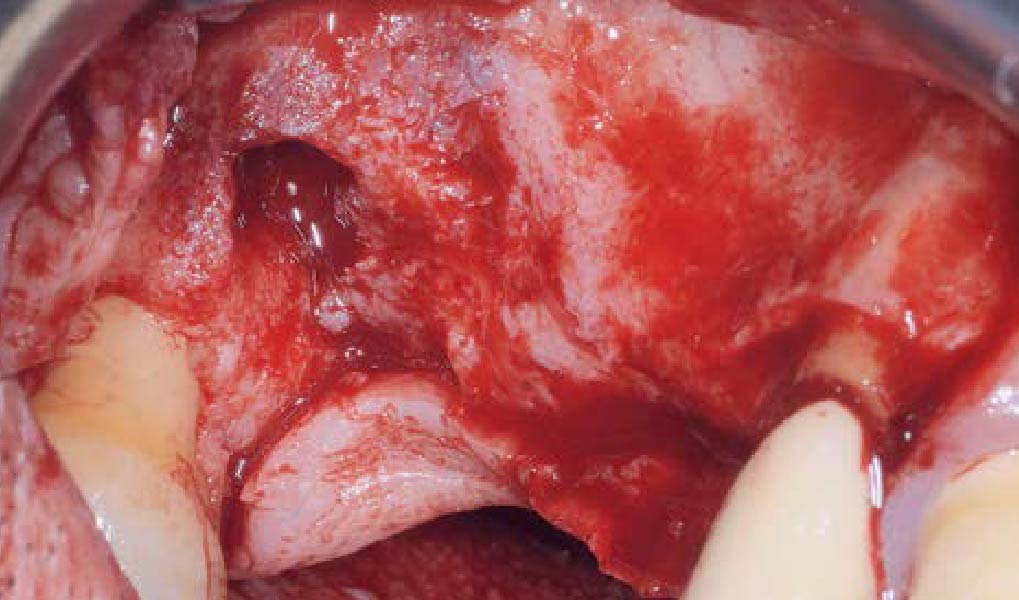
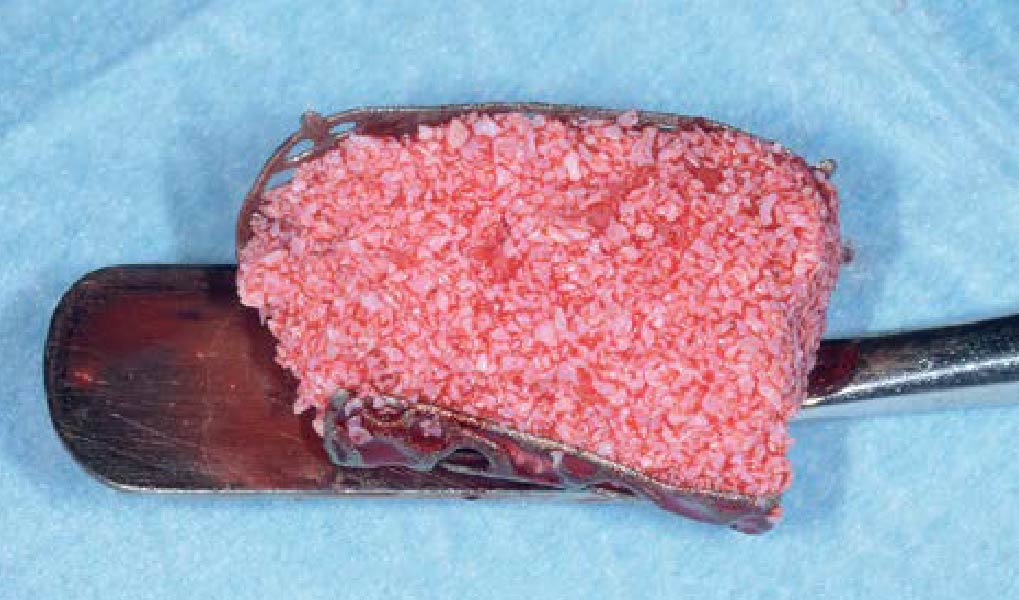
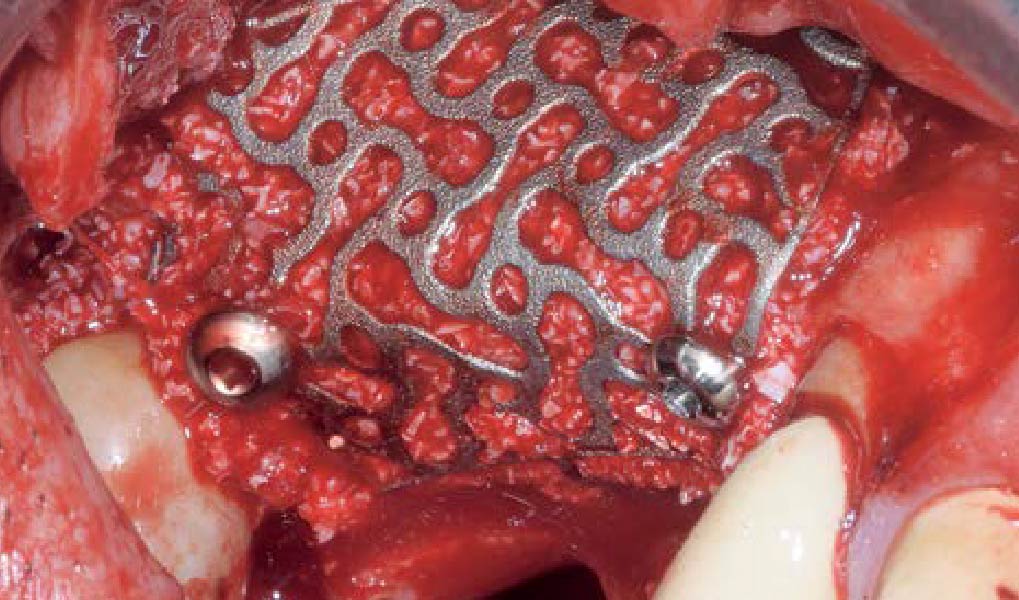
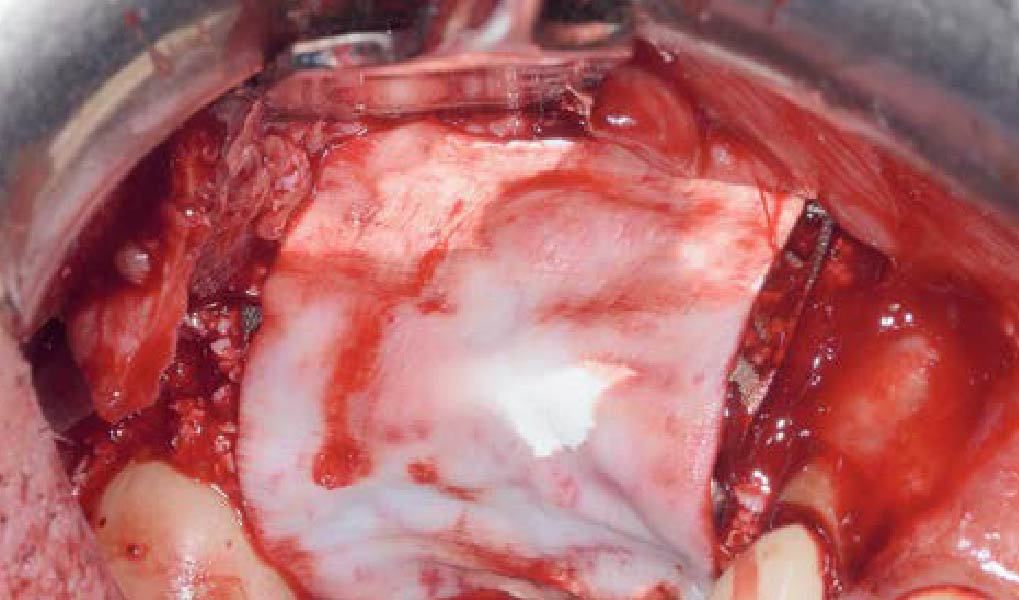
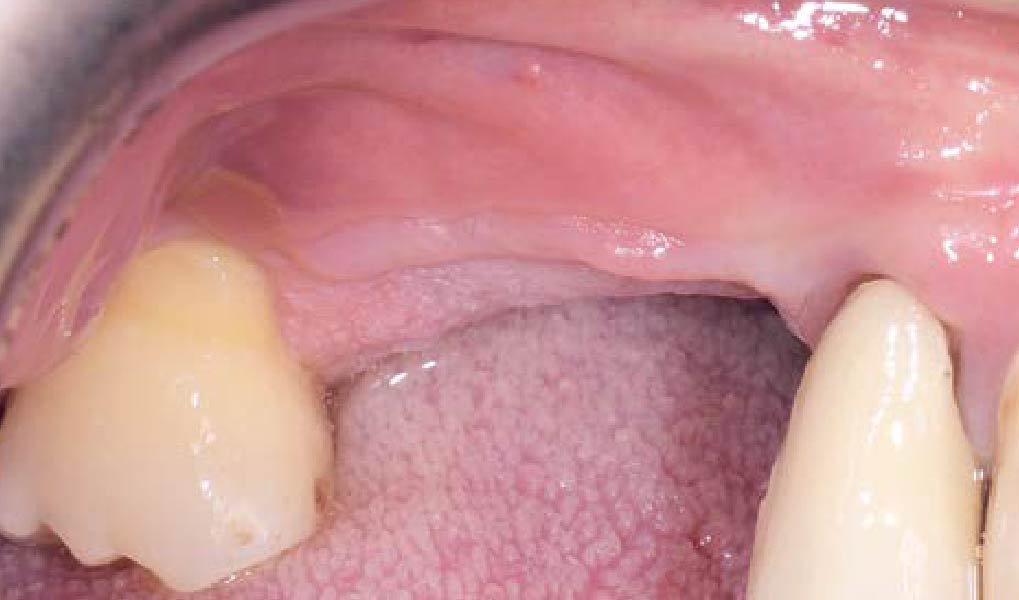
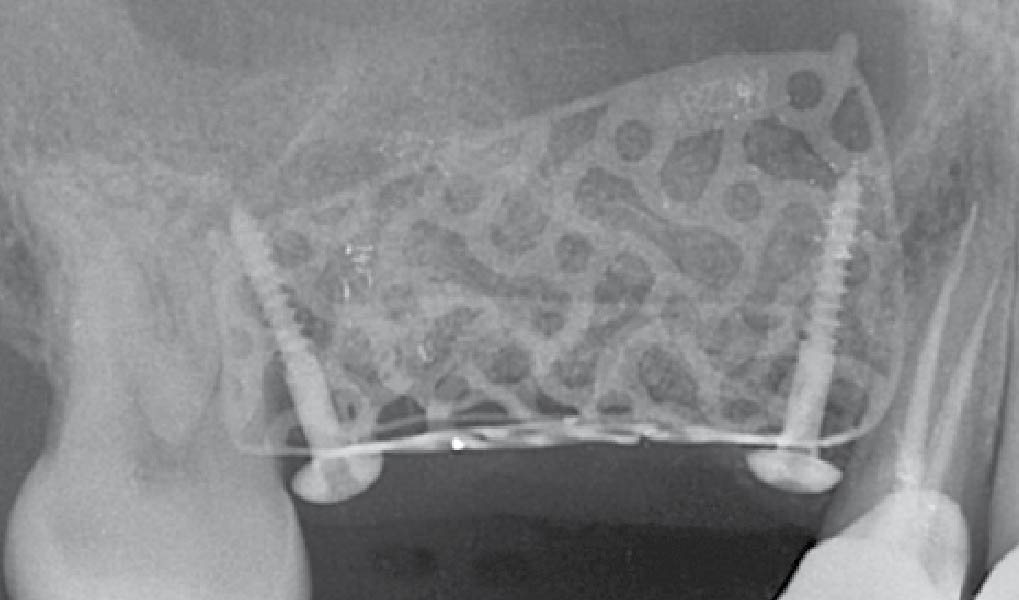
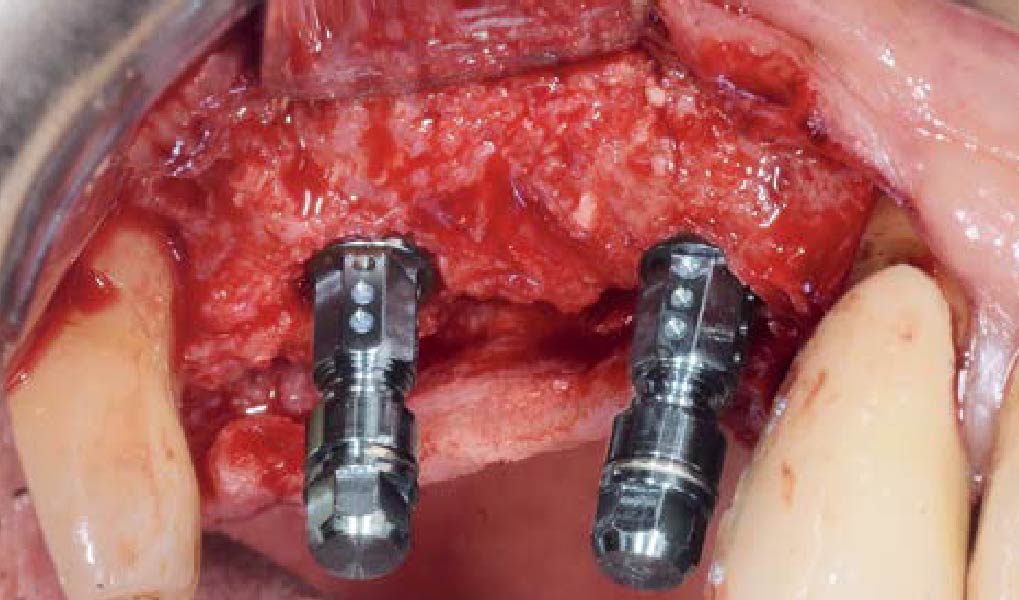
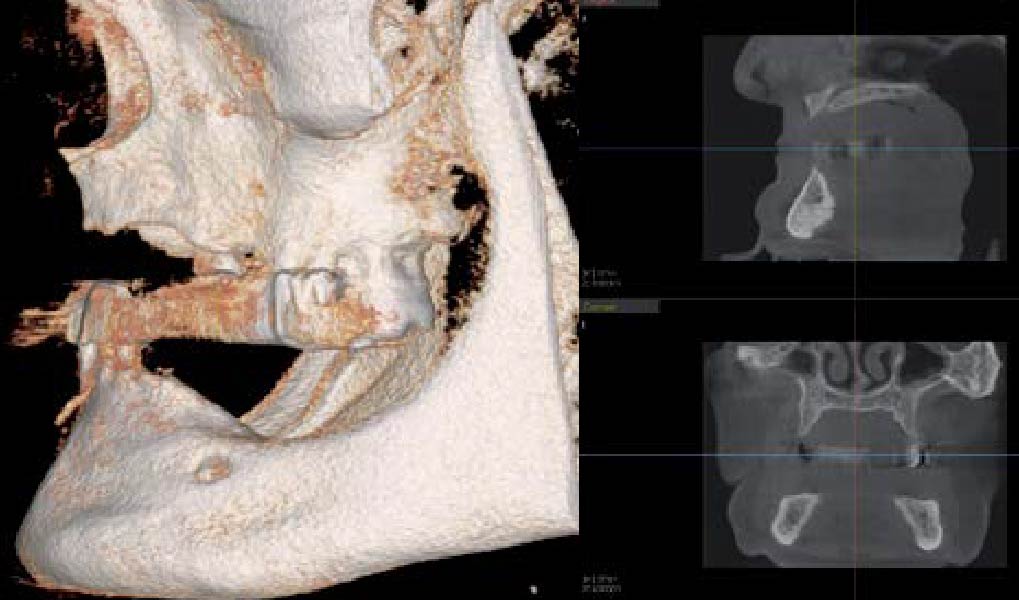
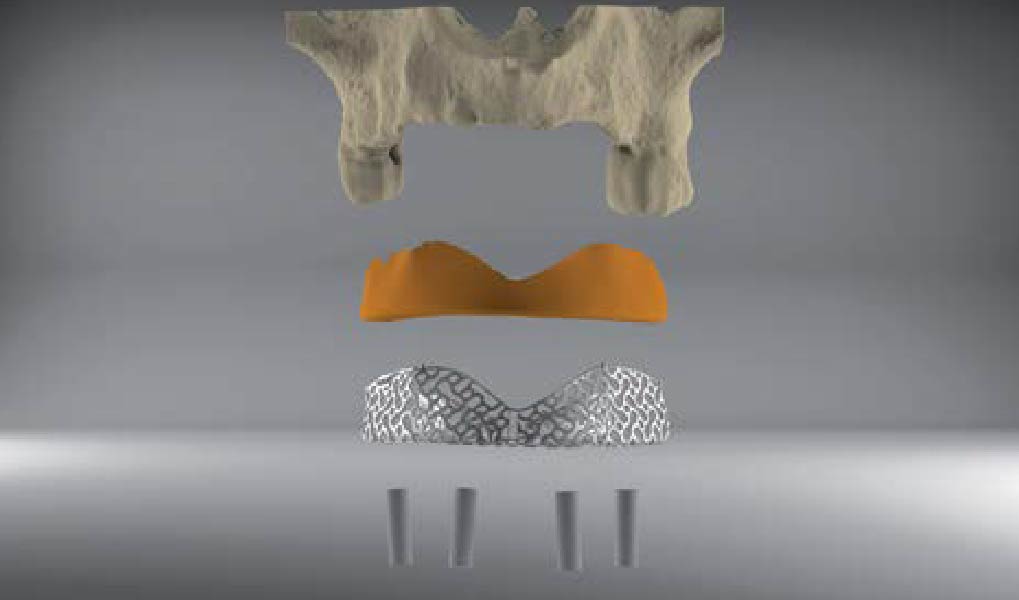
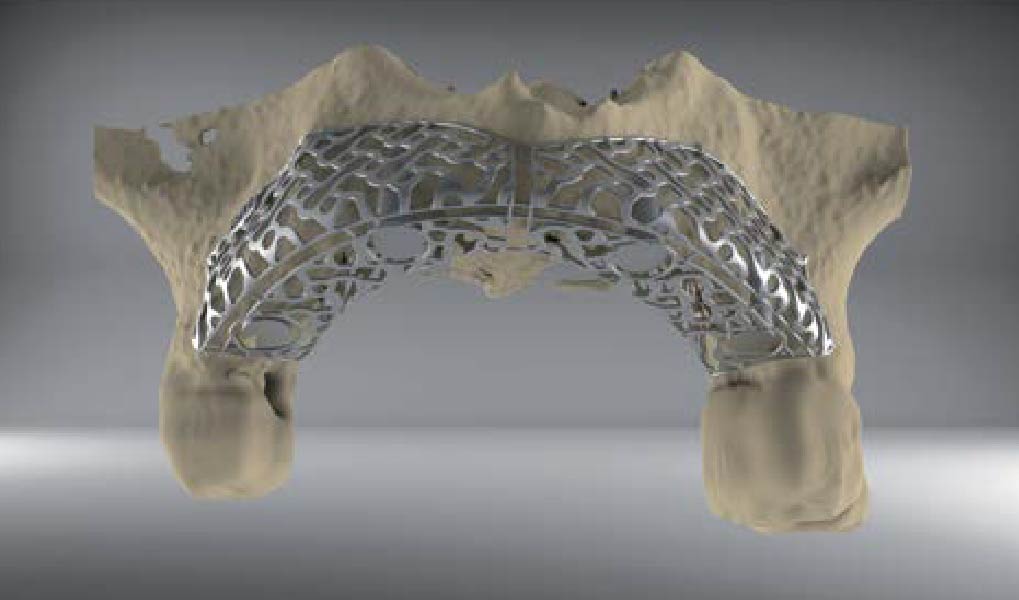
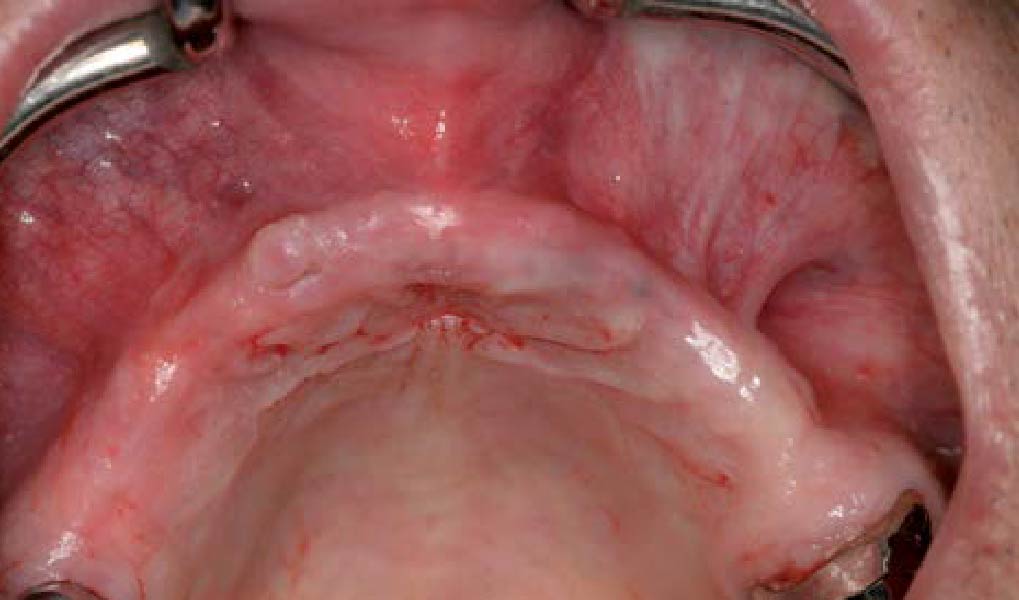
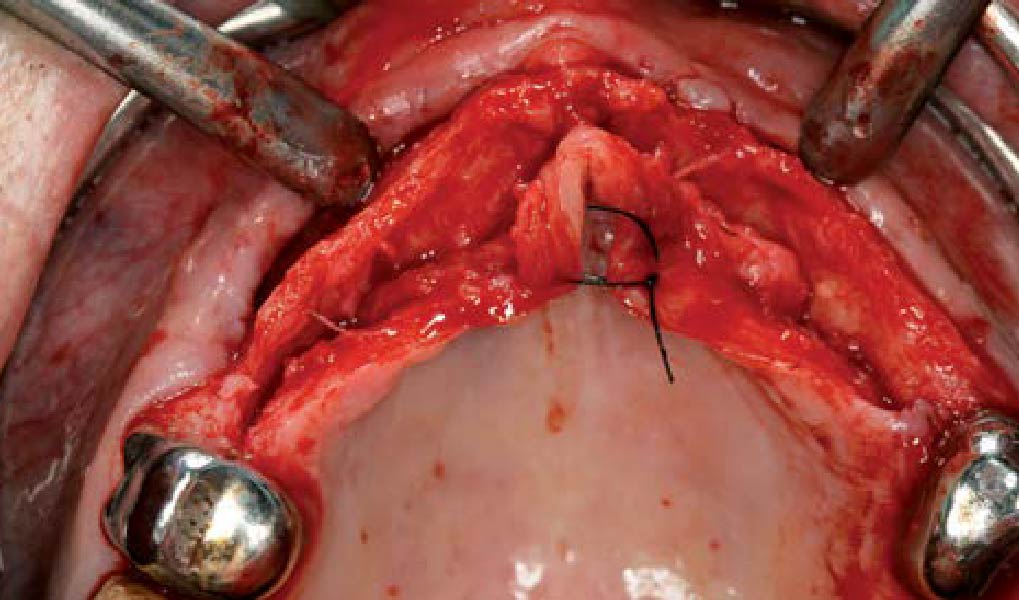
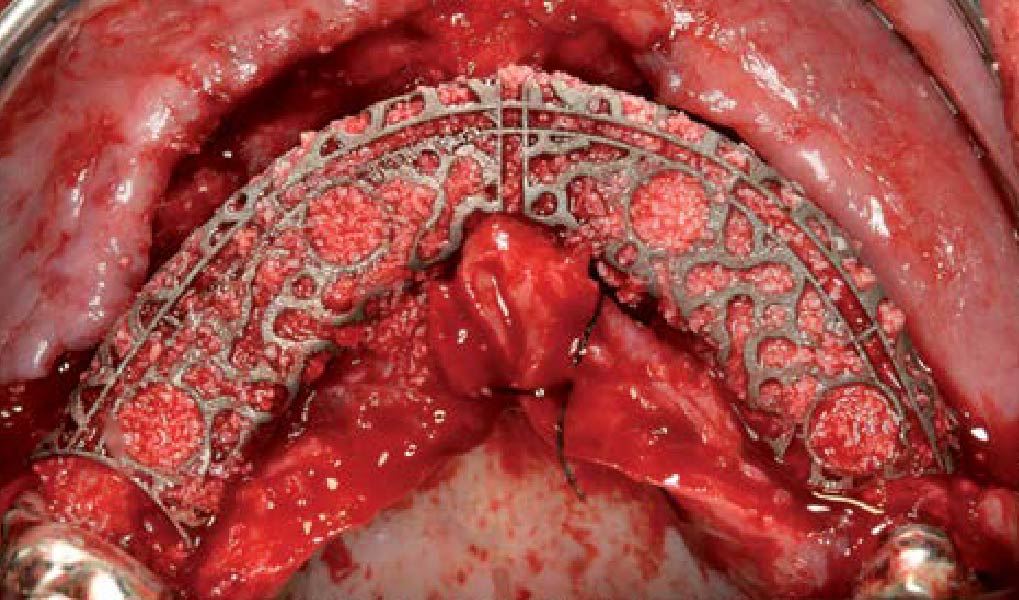
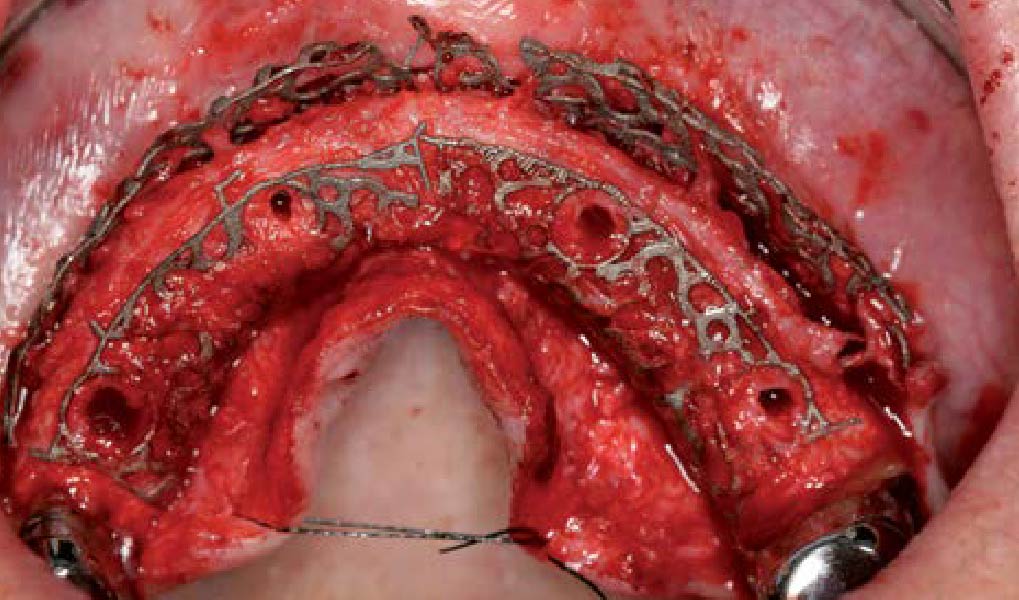
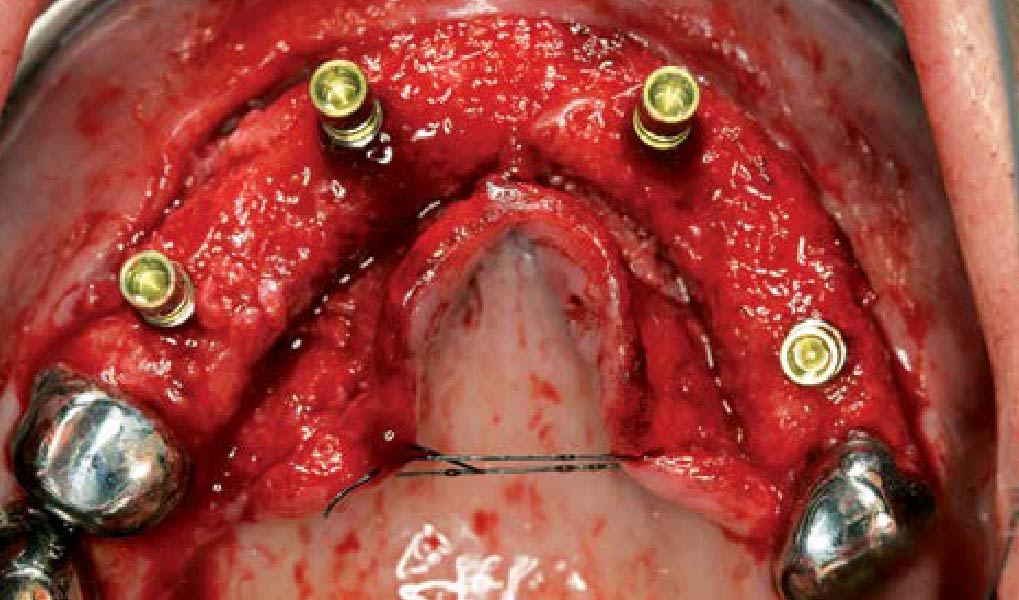
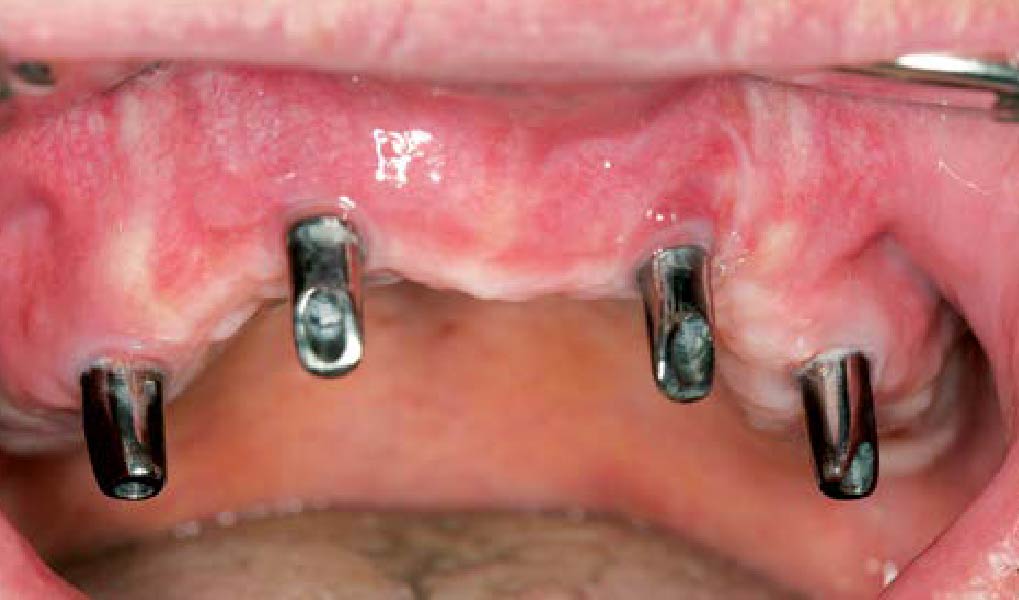
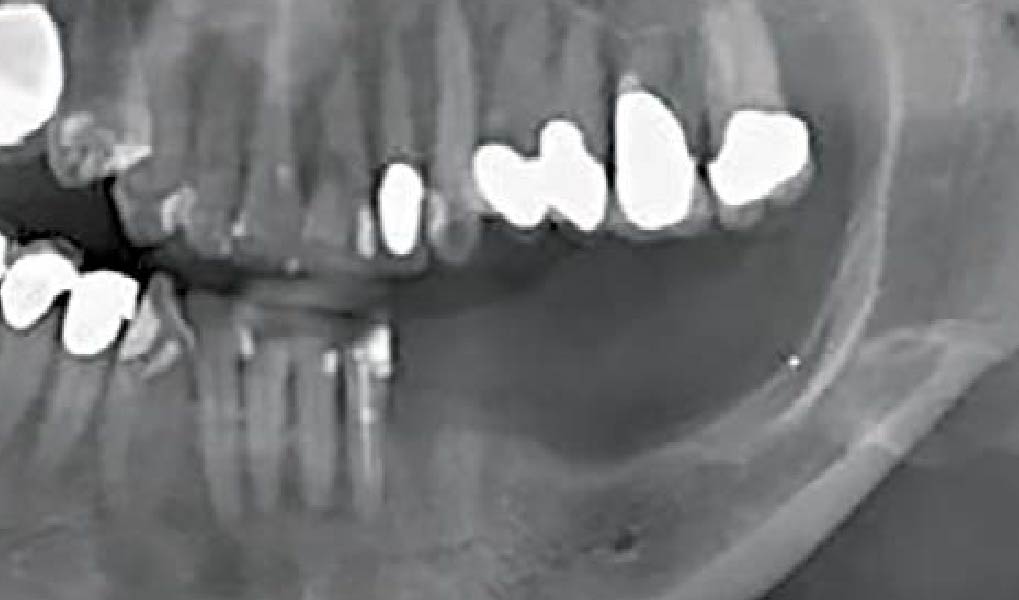
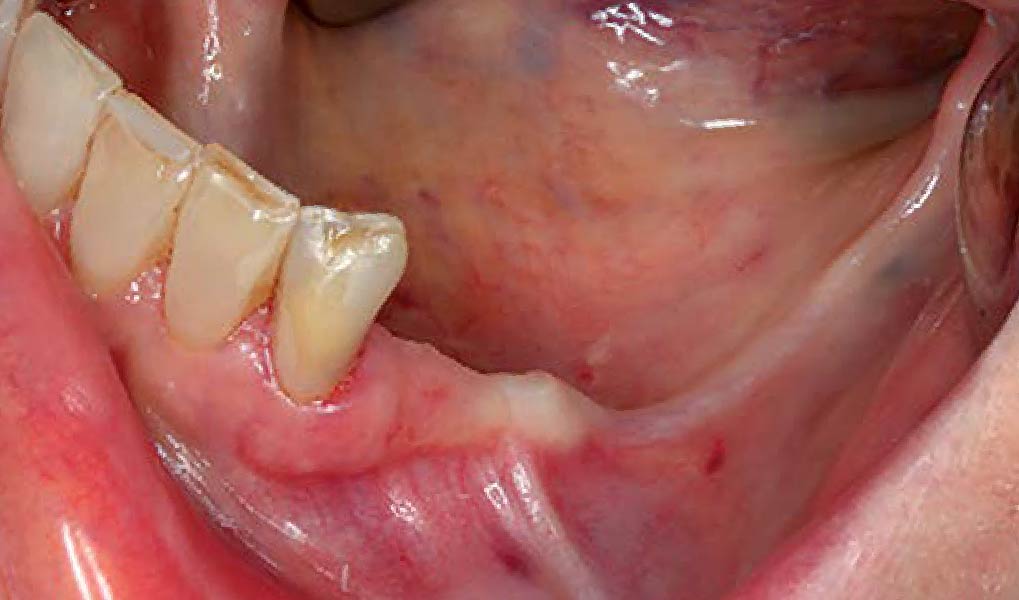
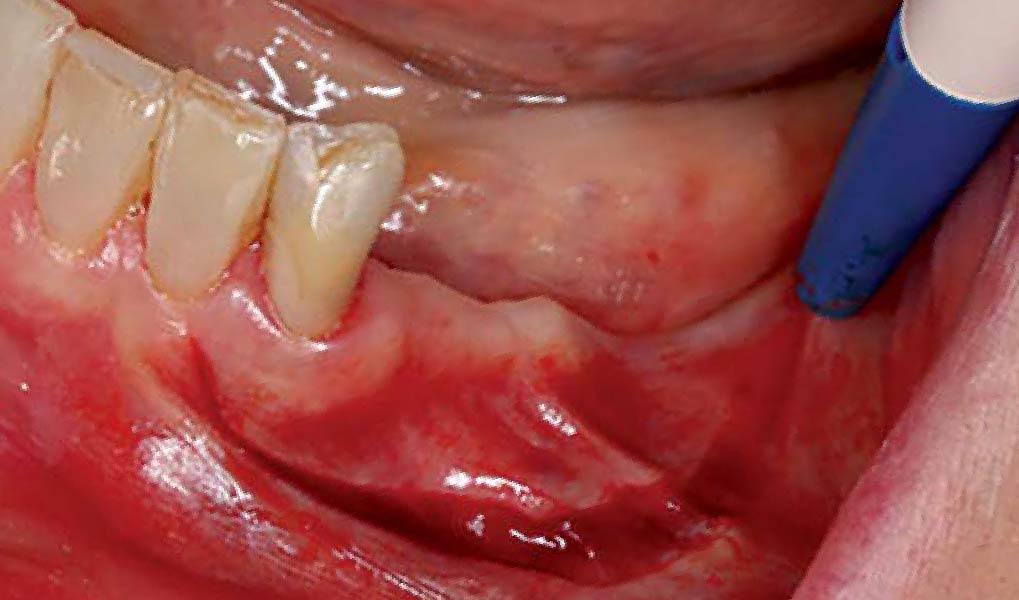
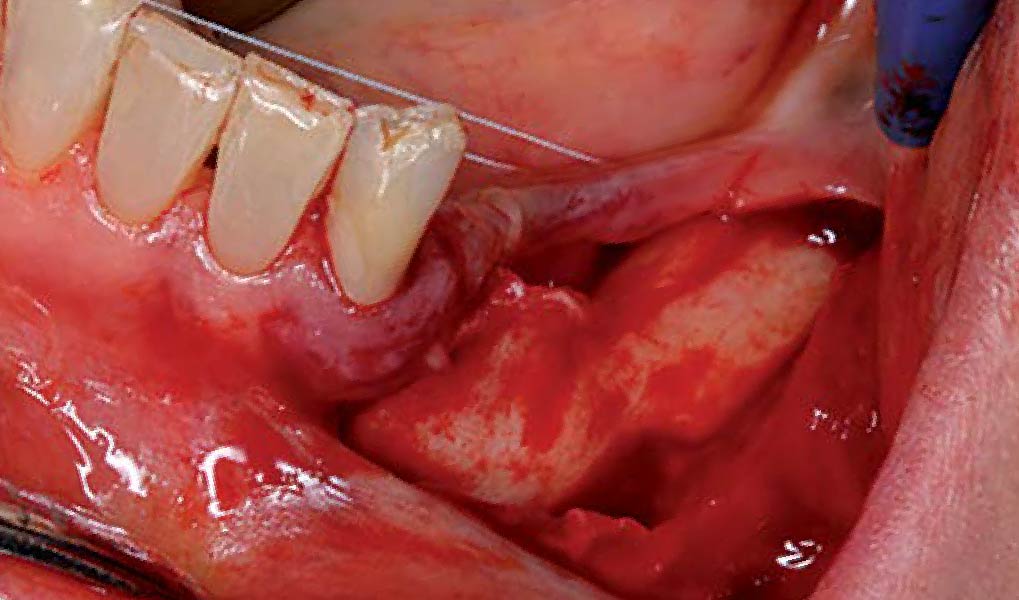
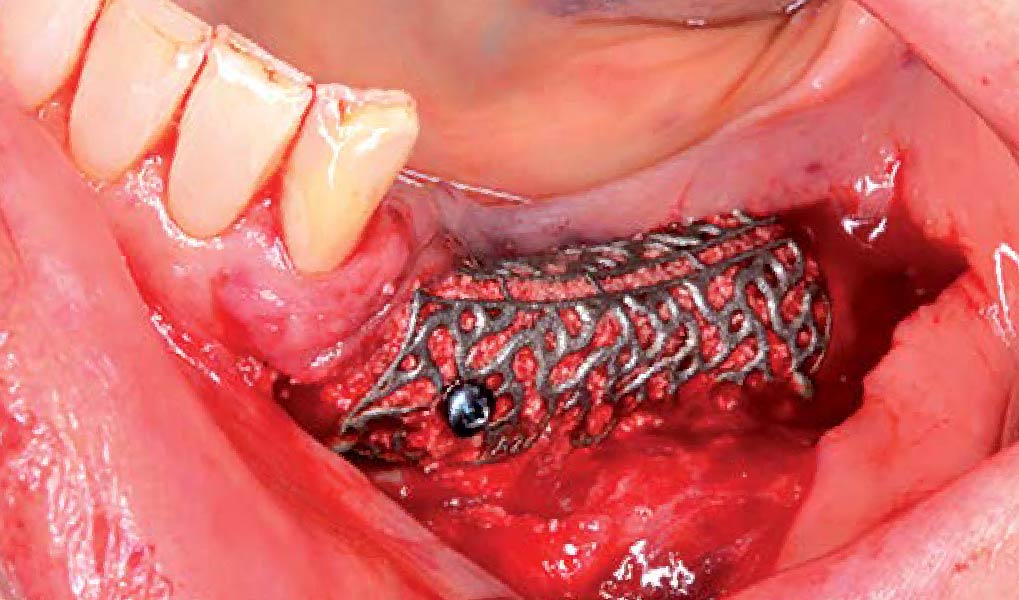
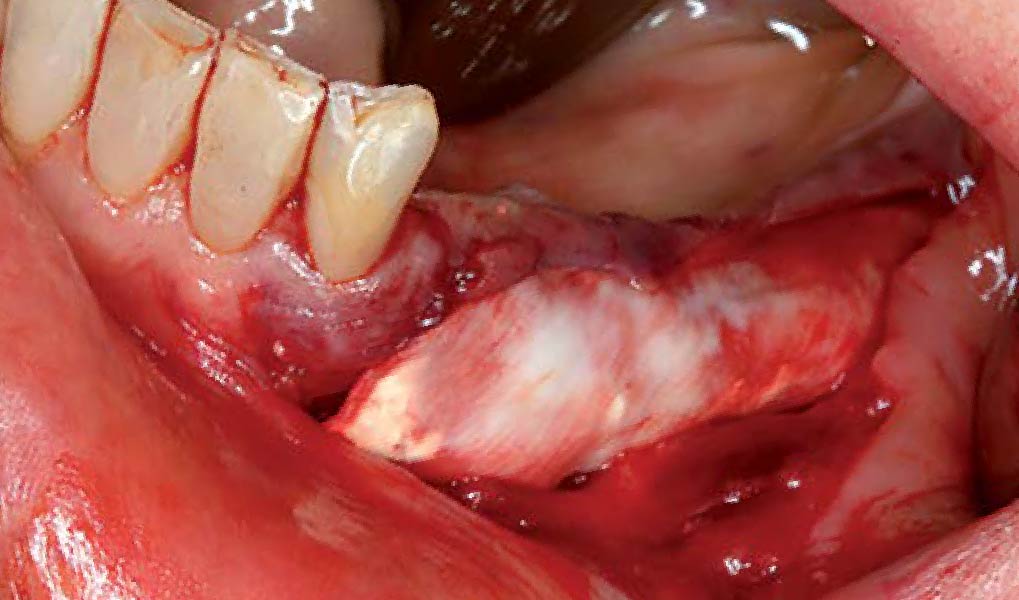
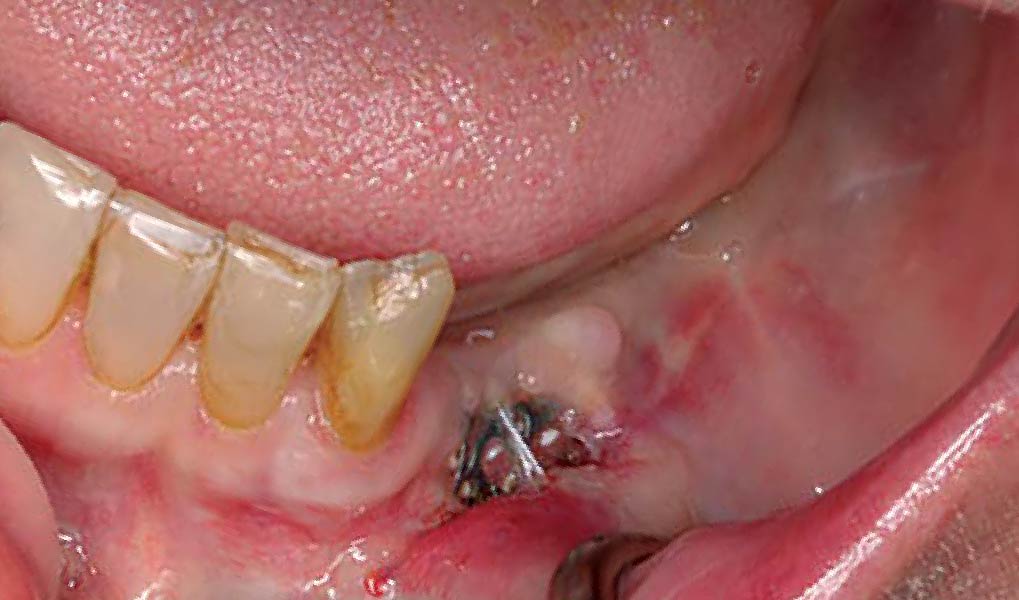
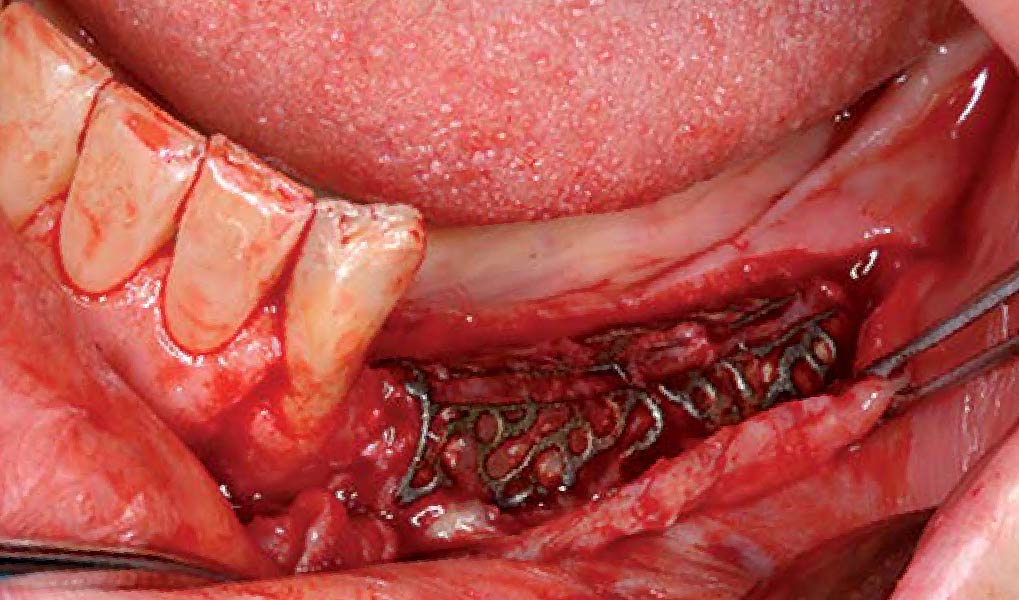
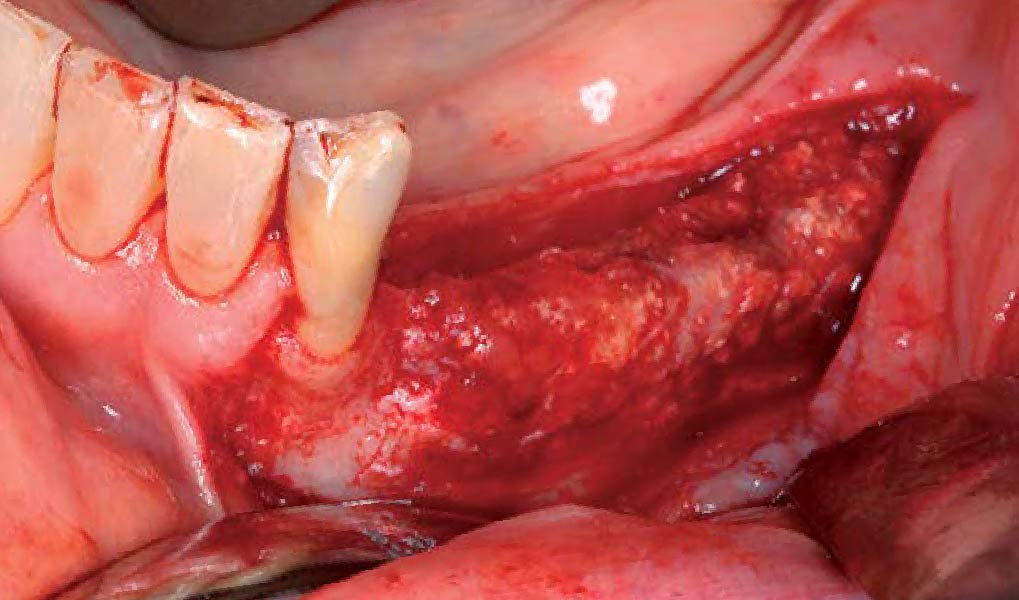
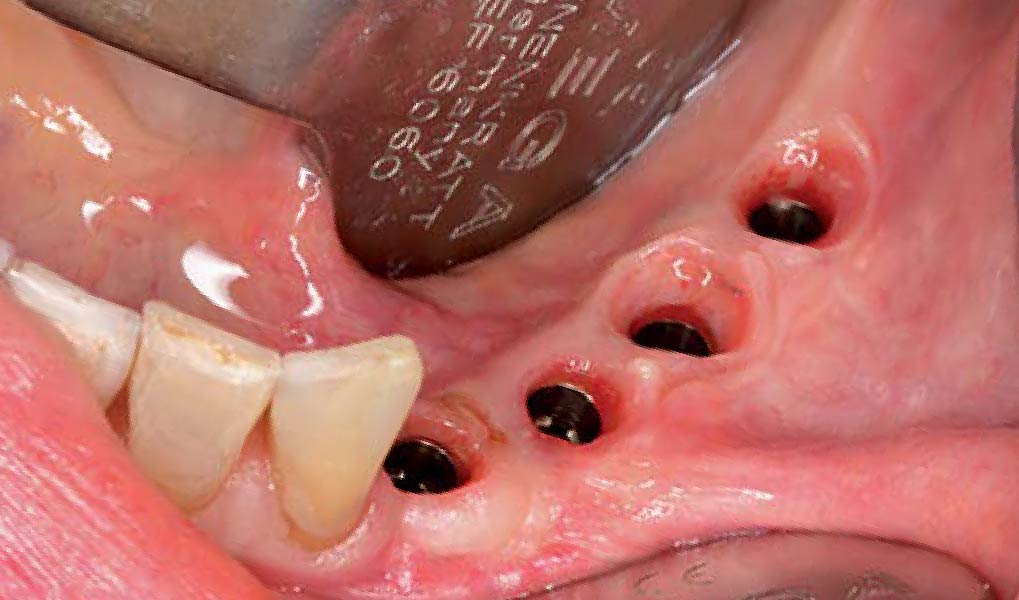
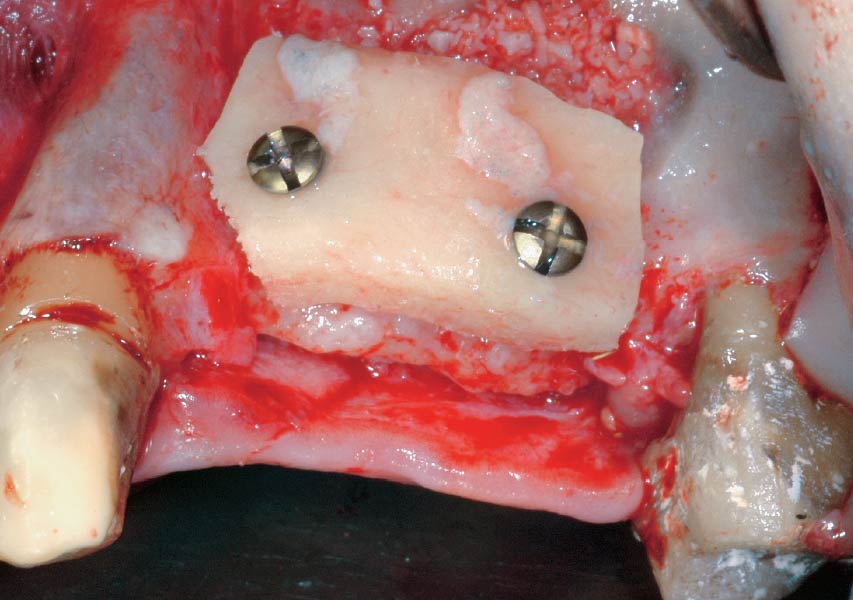
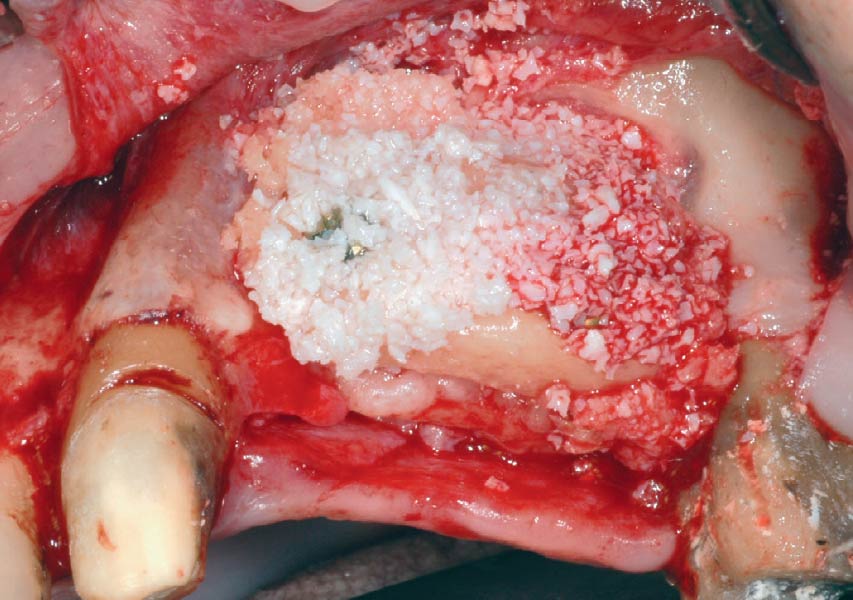
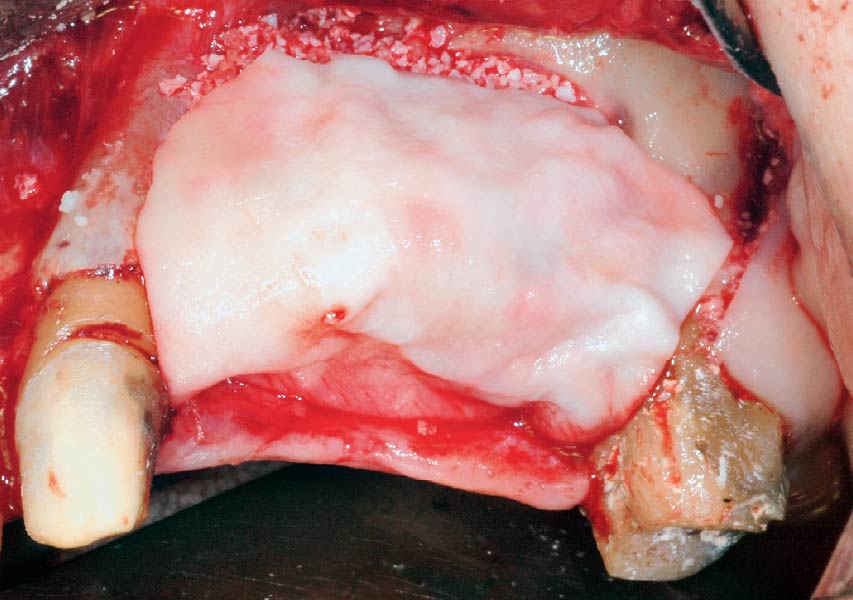
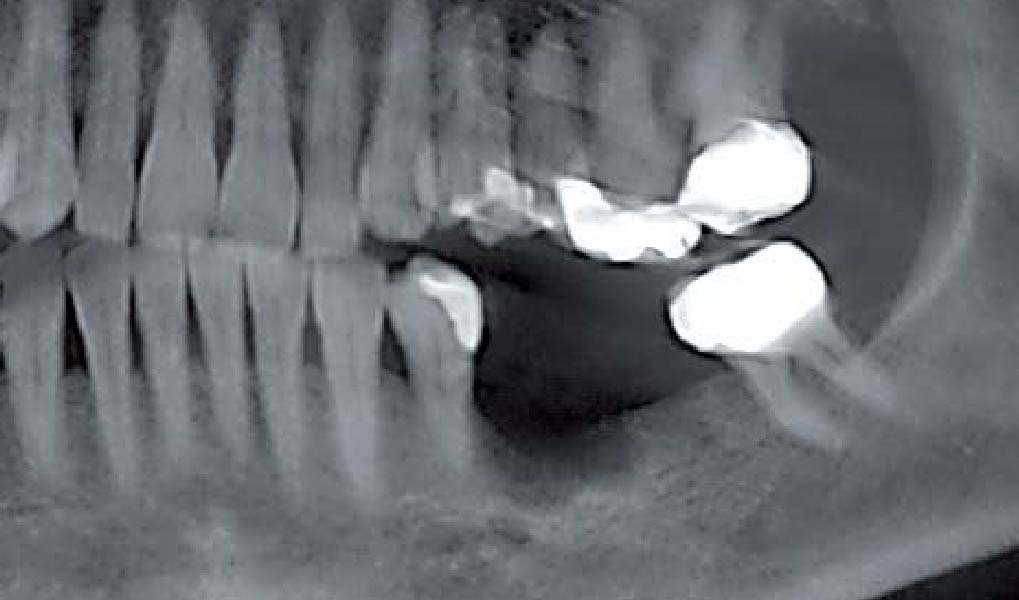
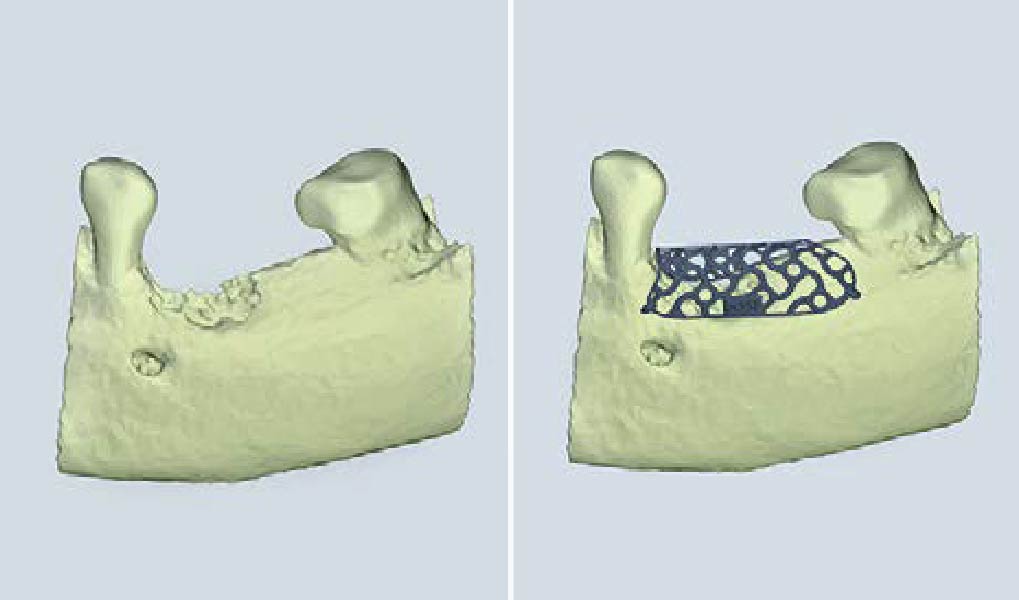
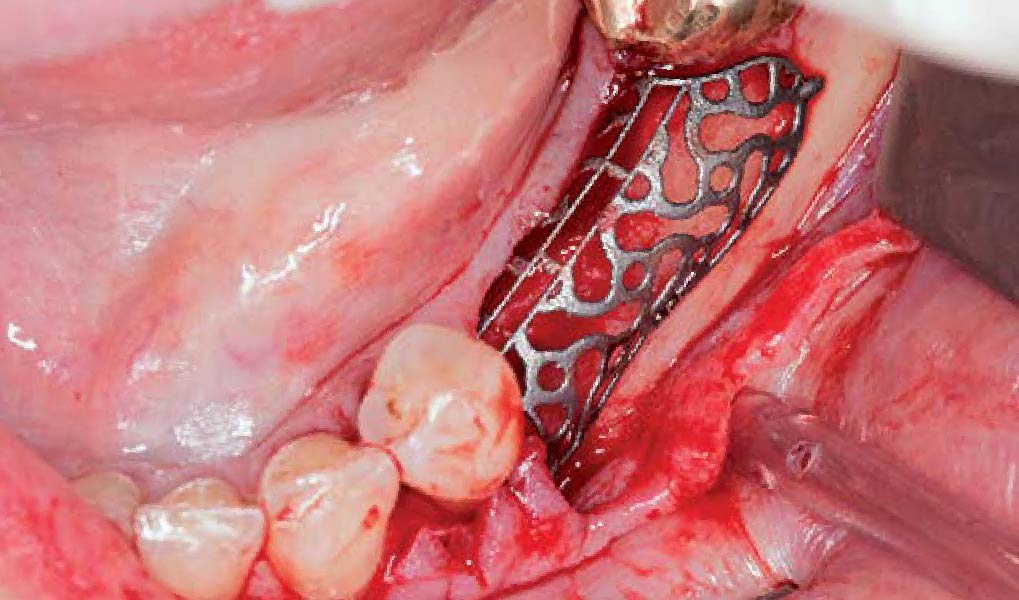
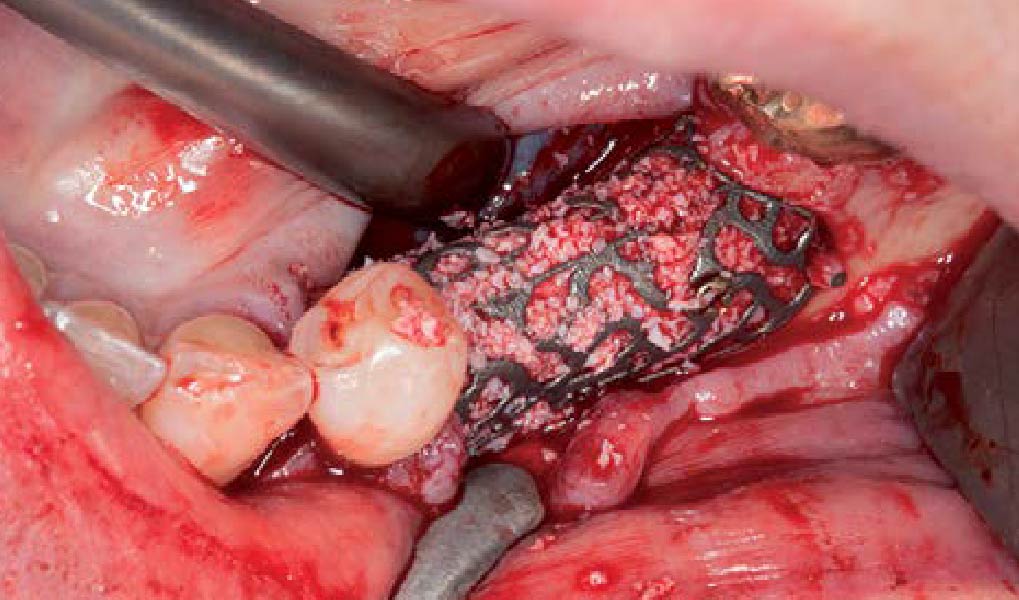
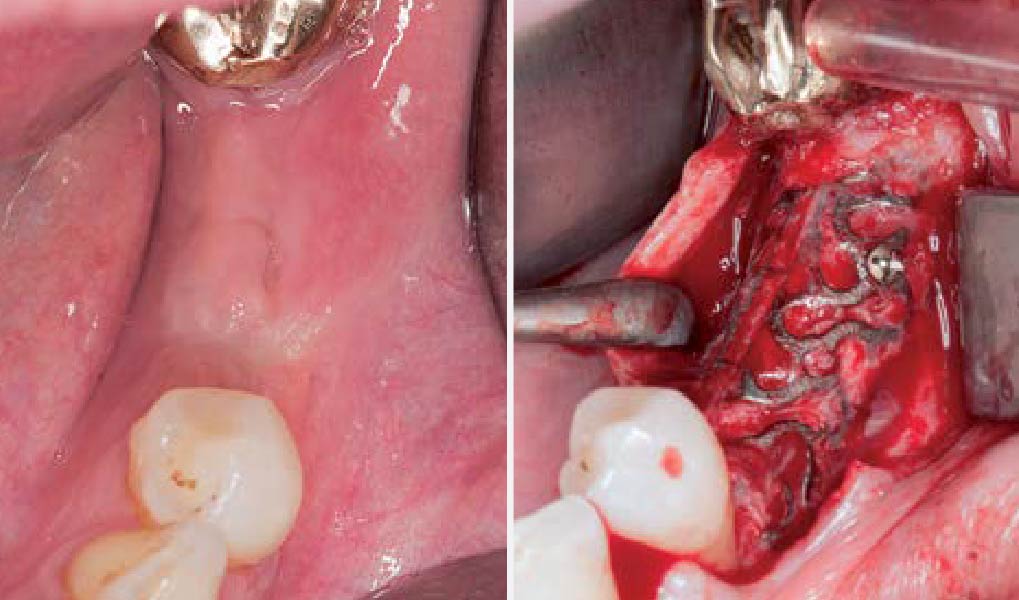
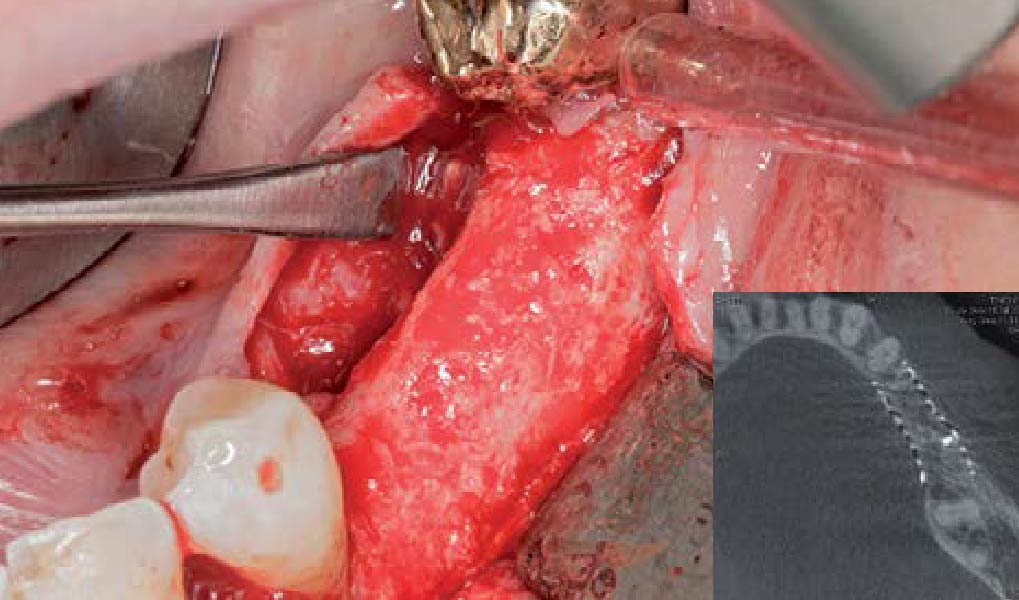
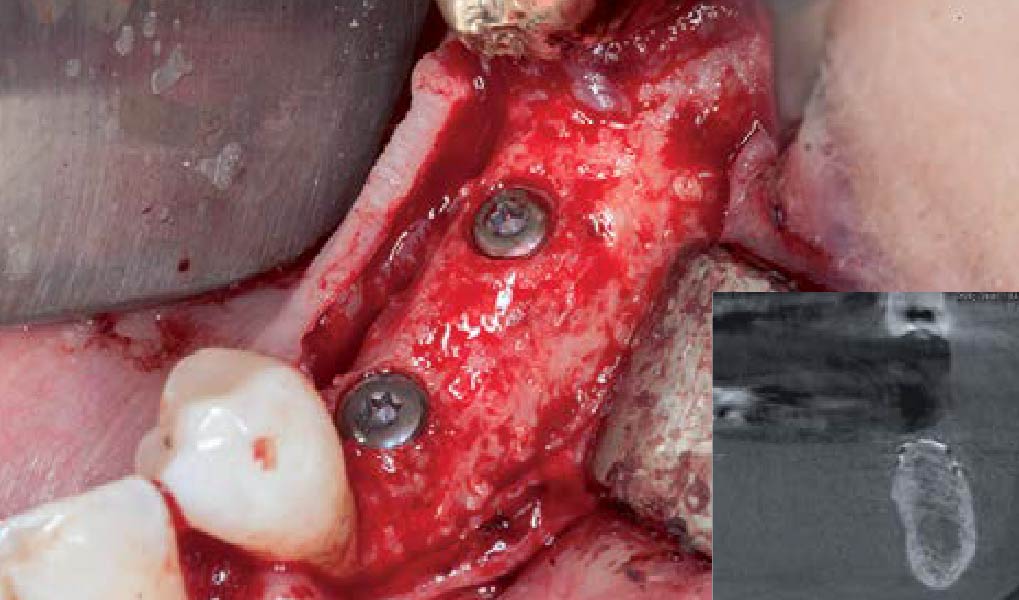
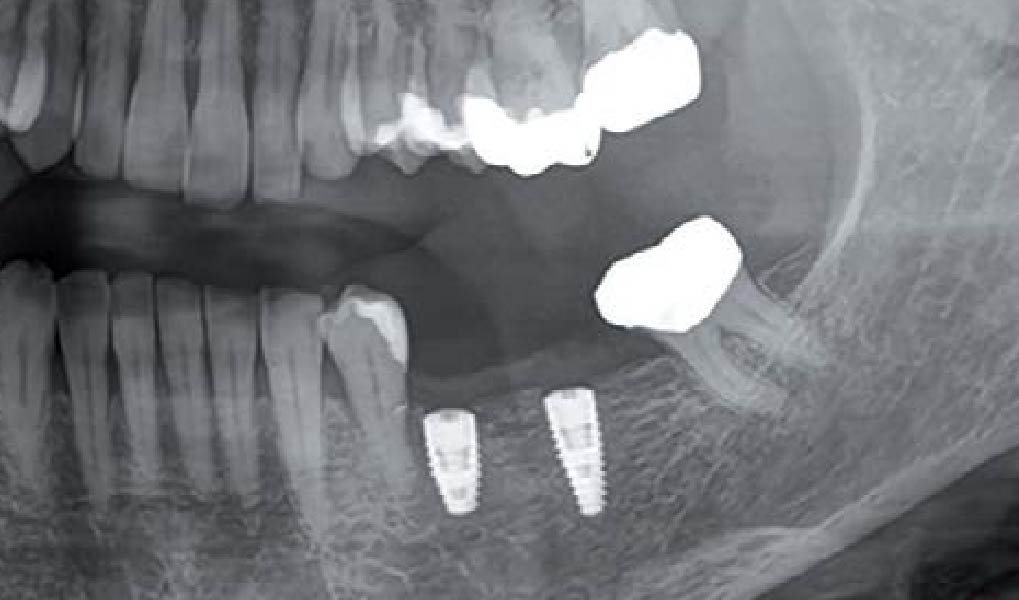
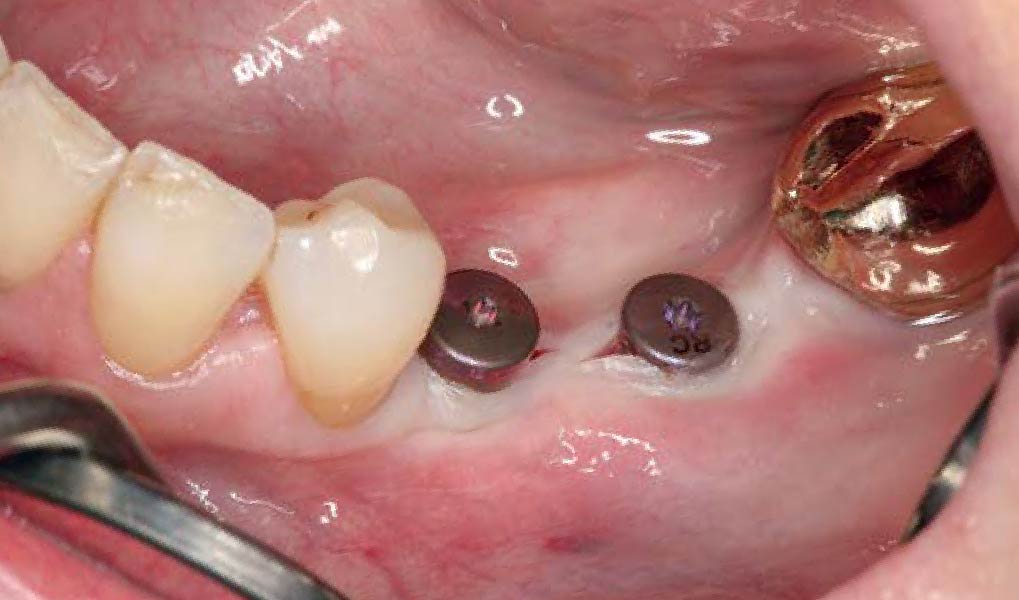
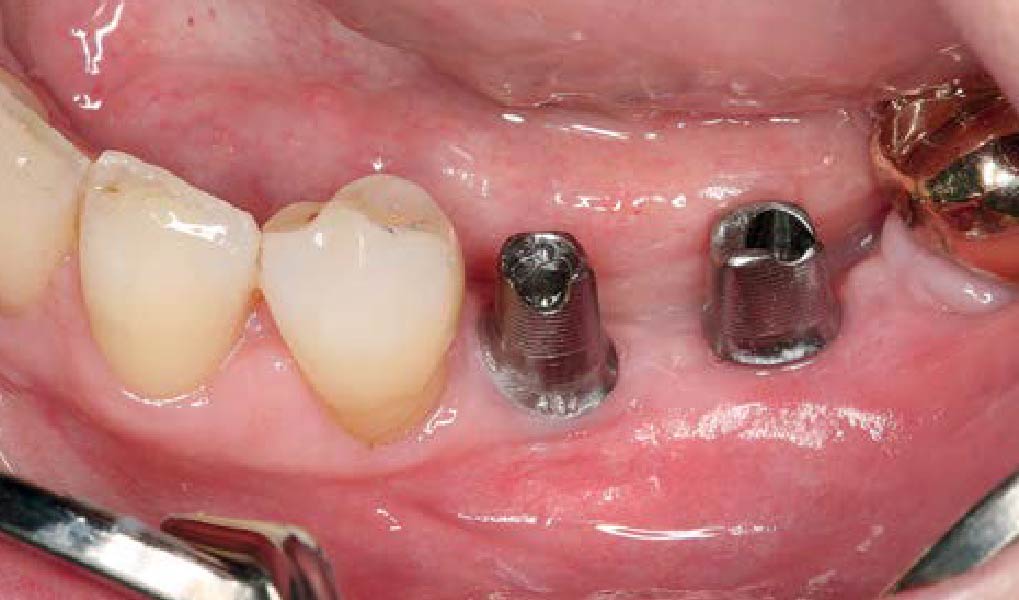
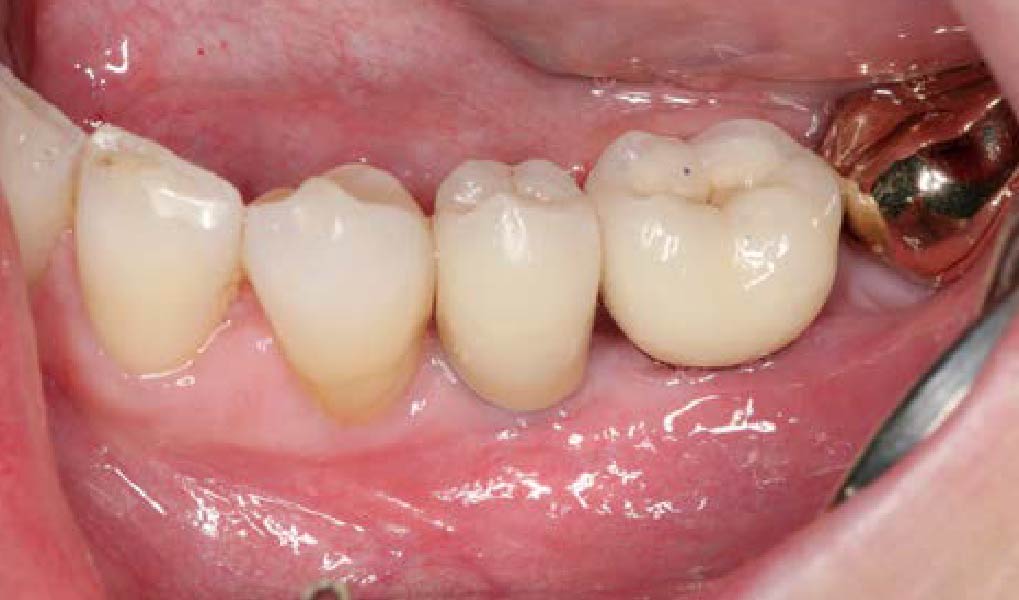
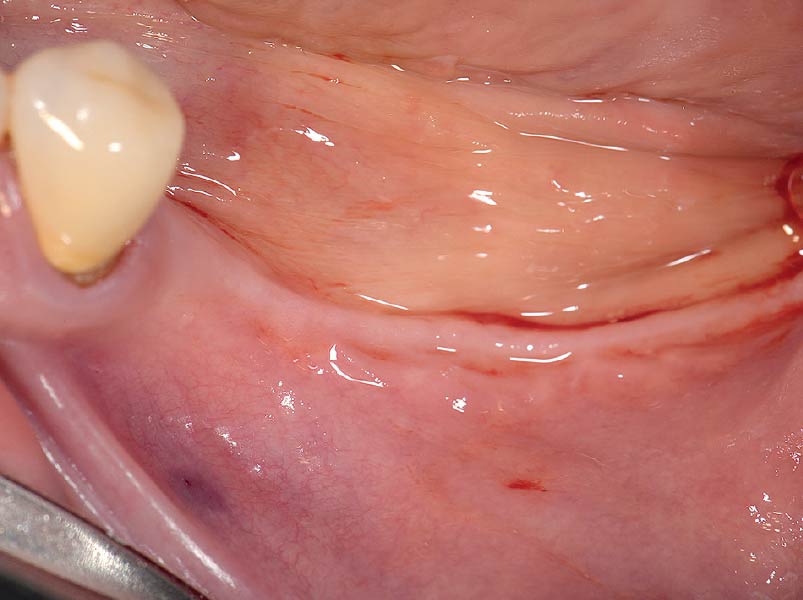
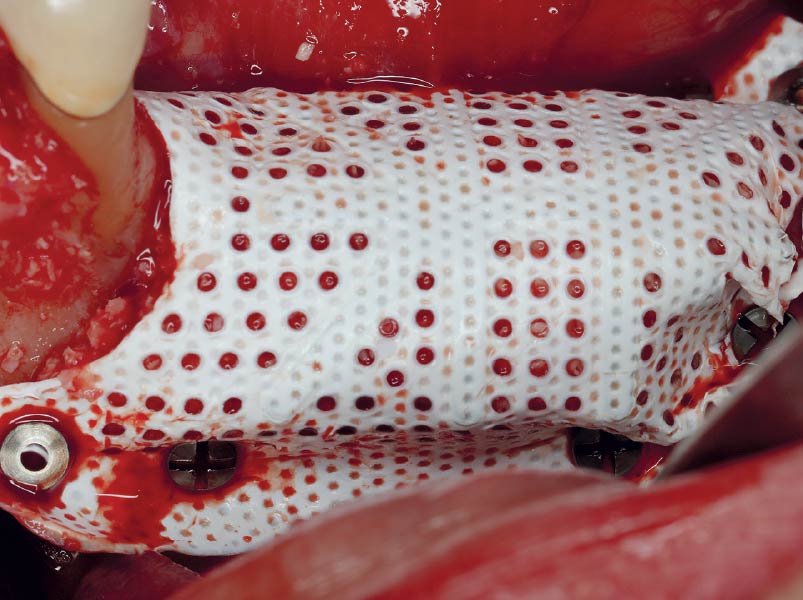
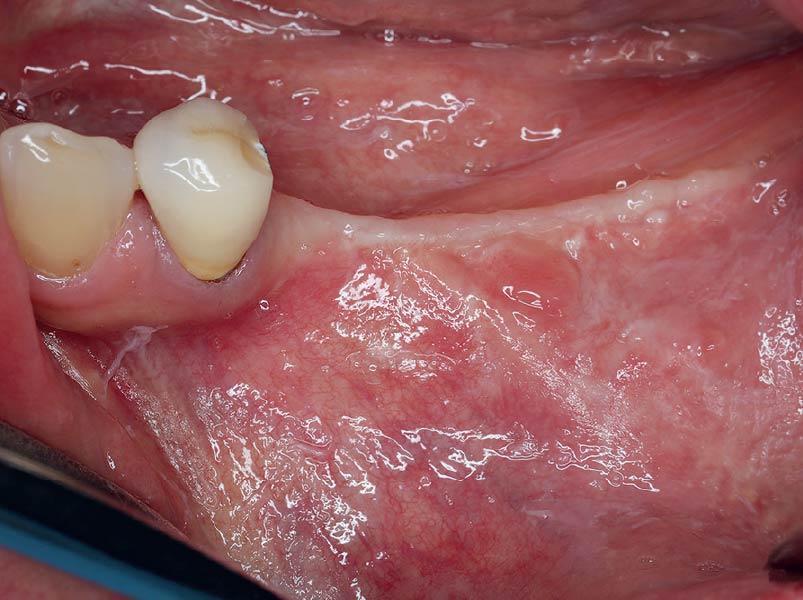
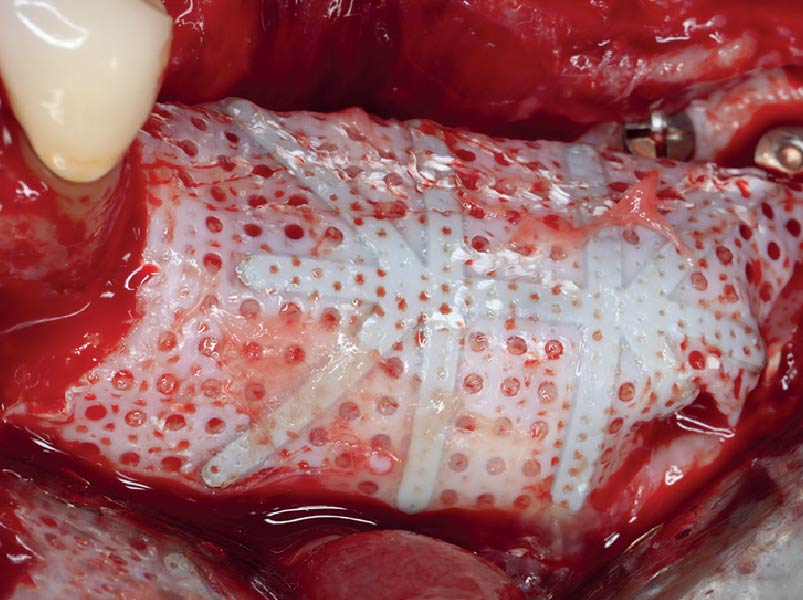
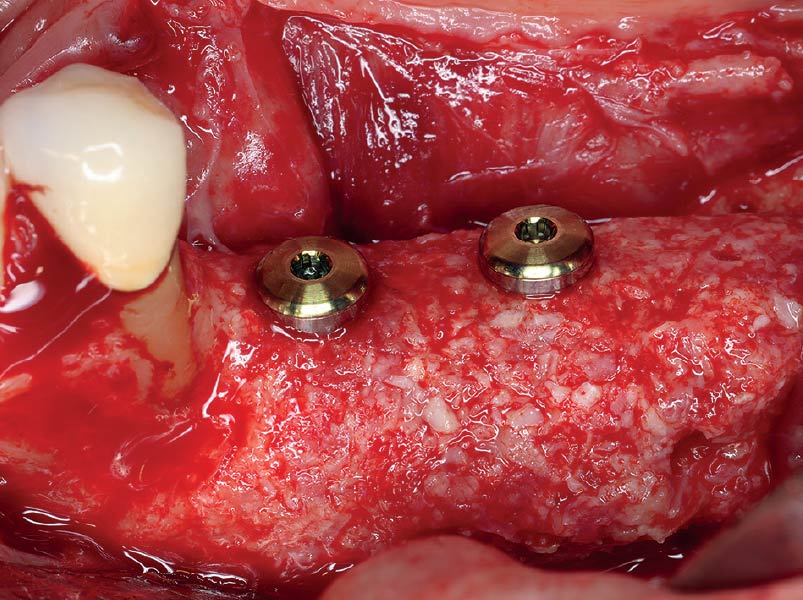
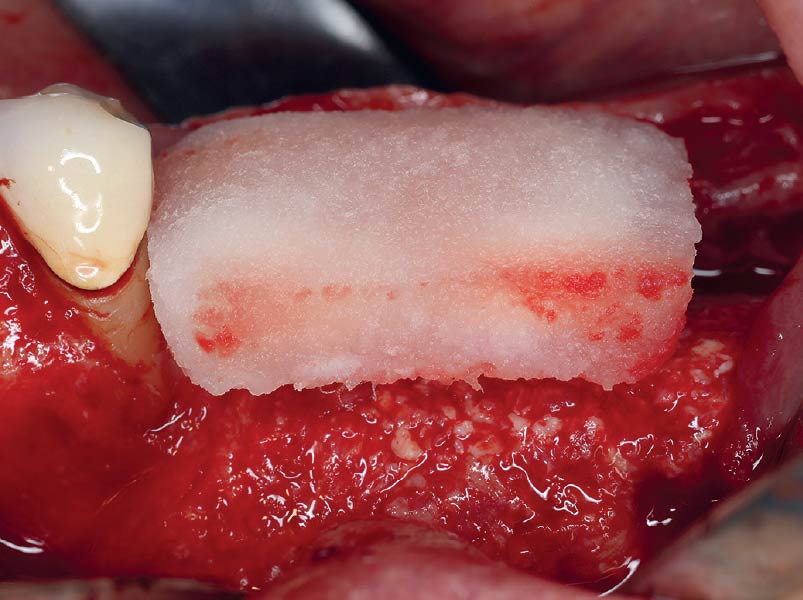
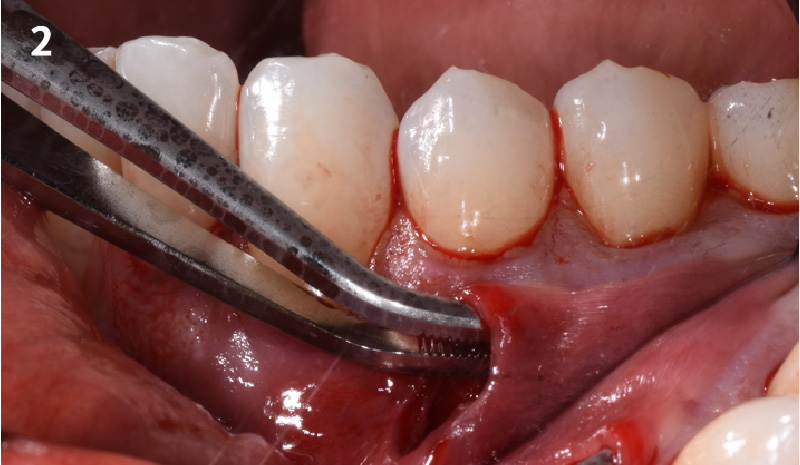
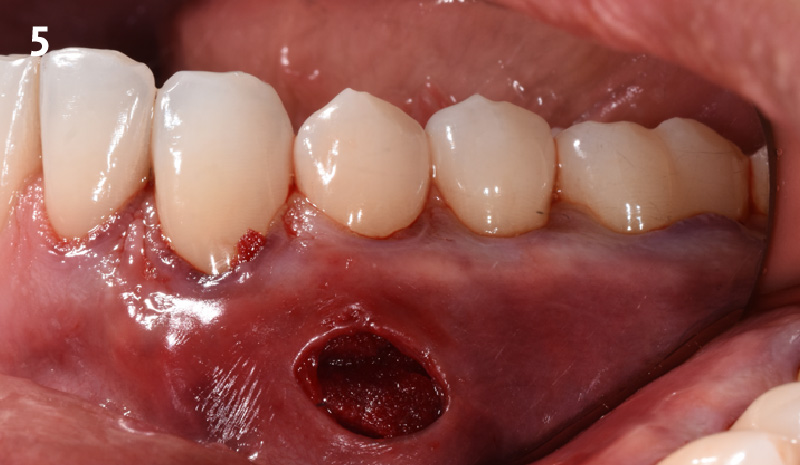
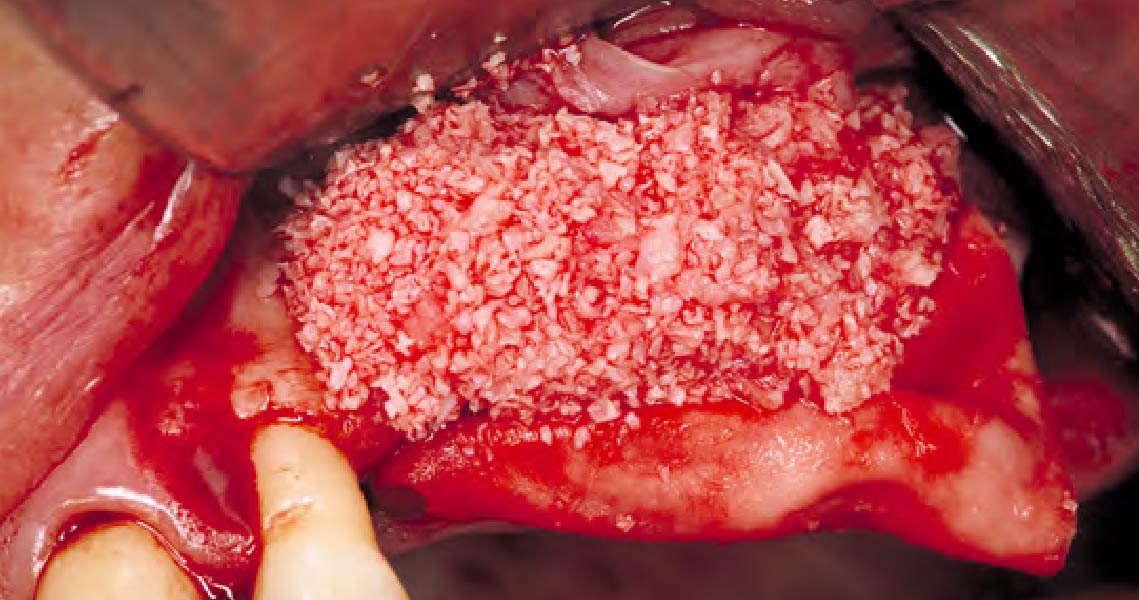
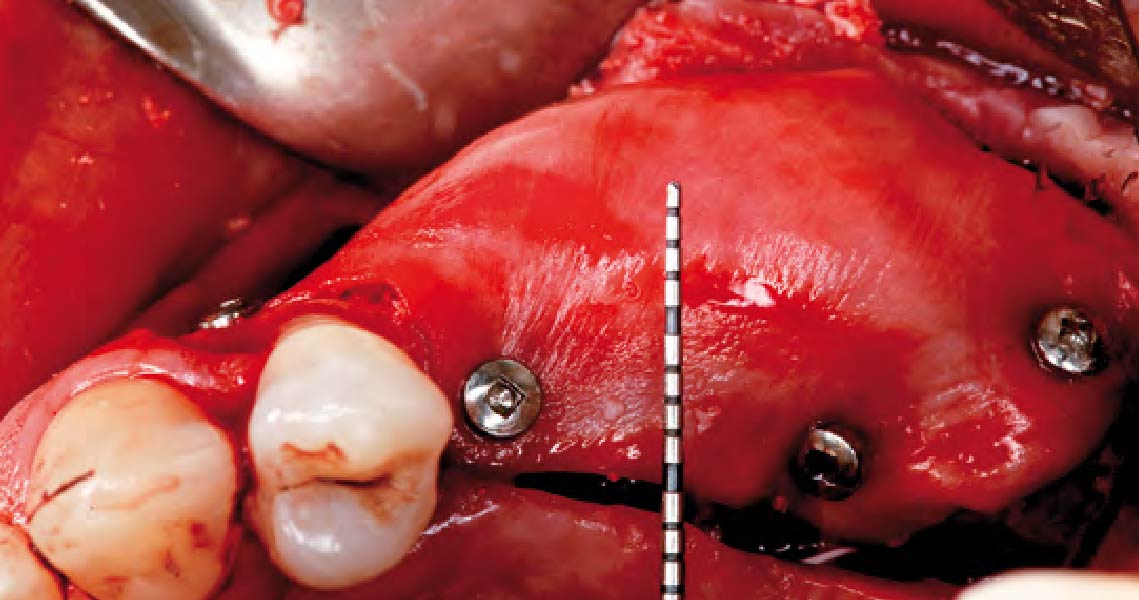
A 60-year-old female presented to the periodontics clinic at UTHSA for implant placement at sites #18 and #19. Upon clinical and radiographic examinations, the lower left edentulous ridge was diagnosed as a Siebert class III due to the presence of bucco-lingual and apico-coronal tissue defects. The treatment proposed included soft tissue grafting for increase of keratinized tissue followed by ridge augmentation using Yxoss CBR®mesh and a mix of autograft, vallos™ fibers, and platelet-rich plasma (PRP)
OUTCOME:
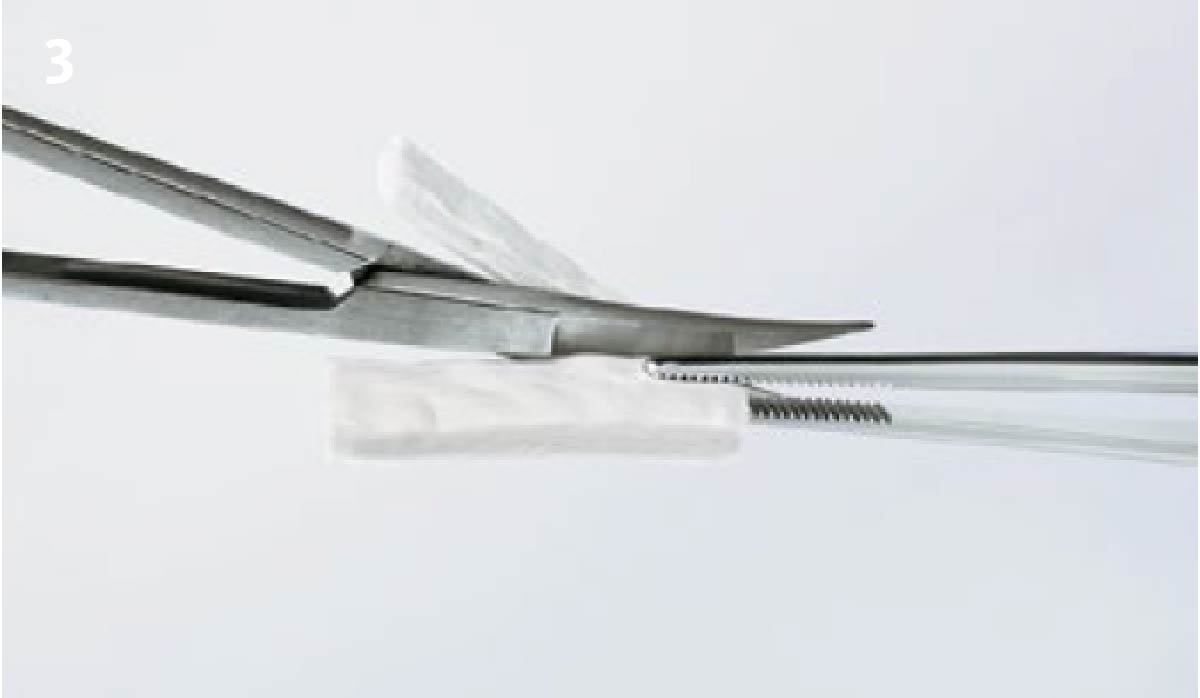
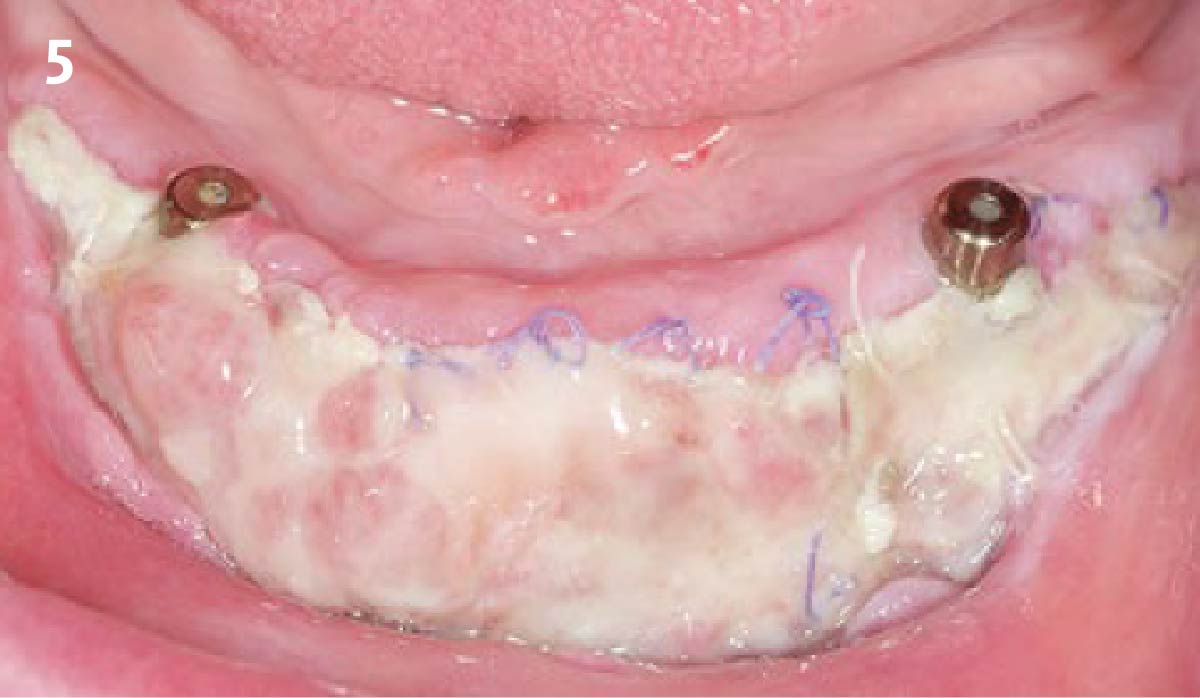
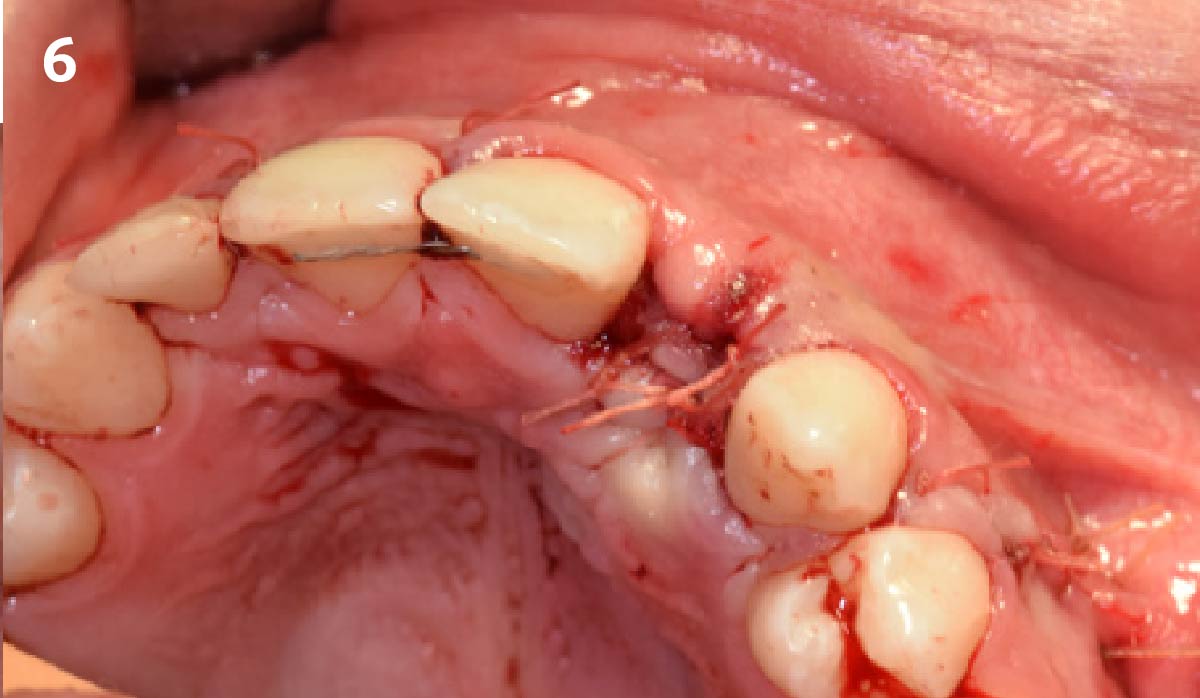
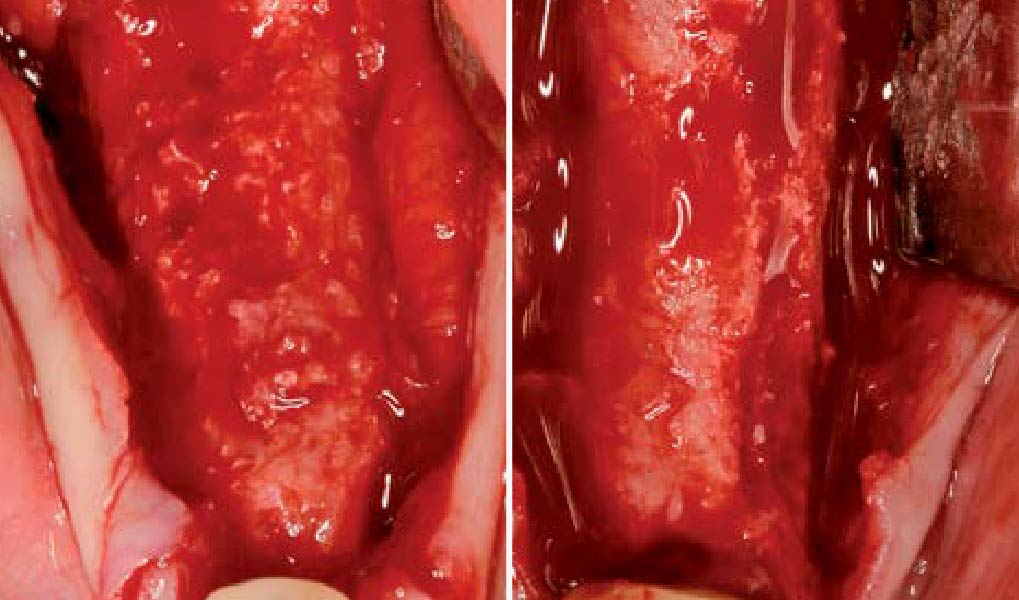
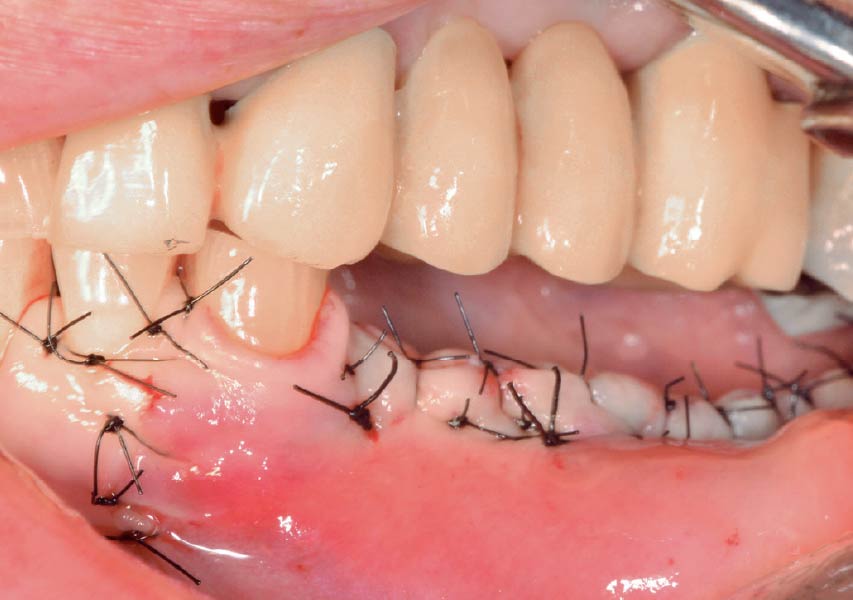
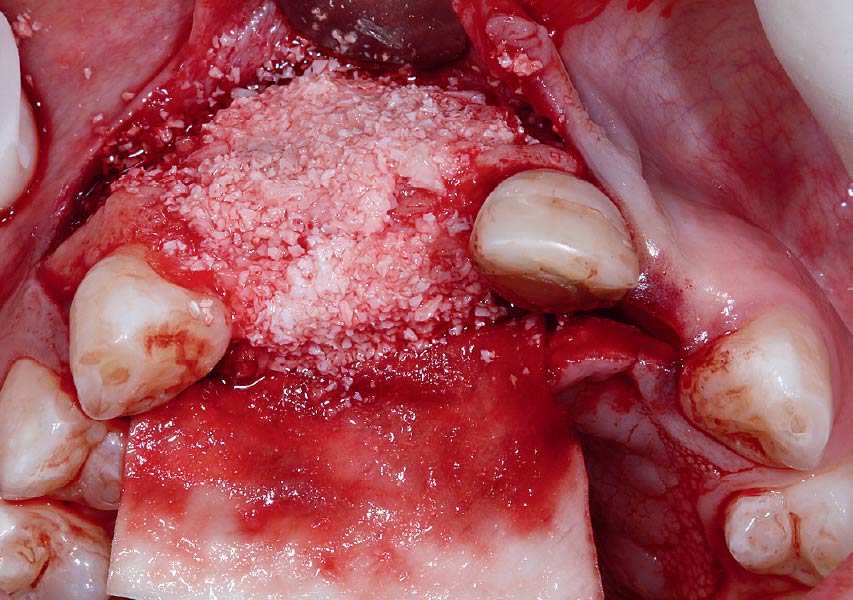
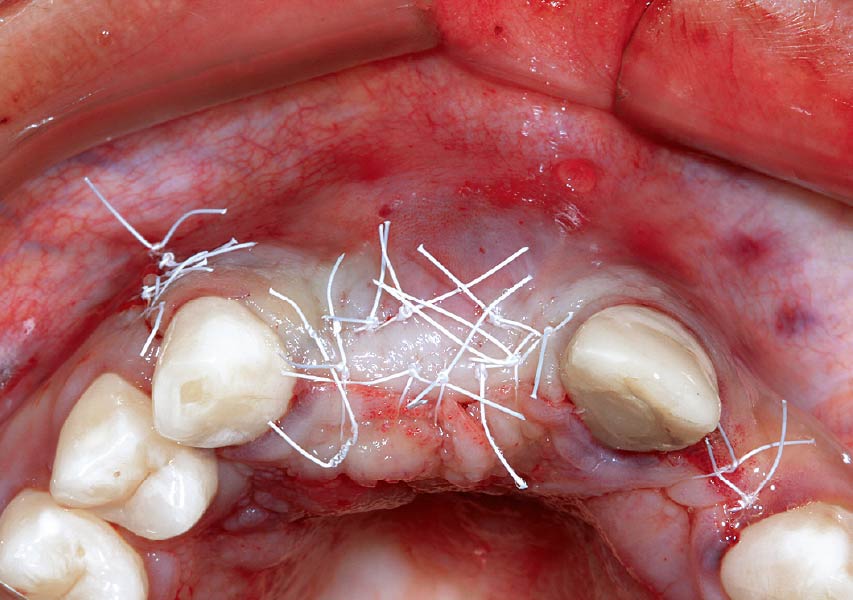
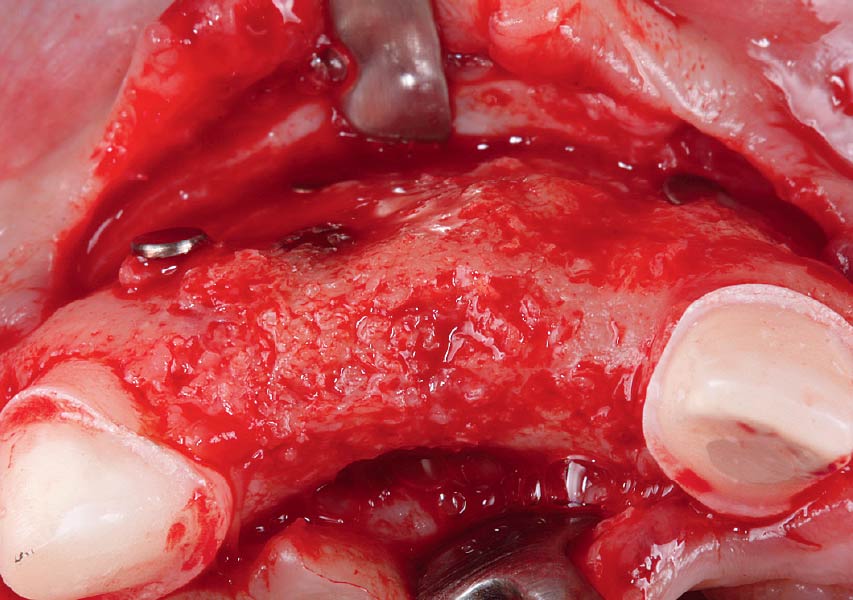
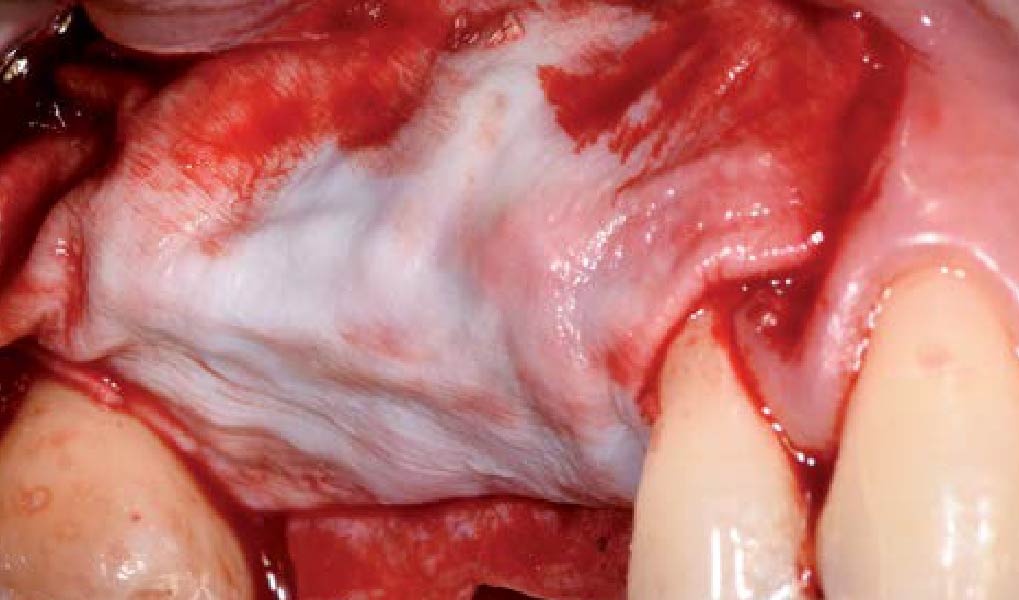
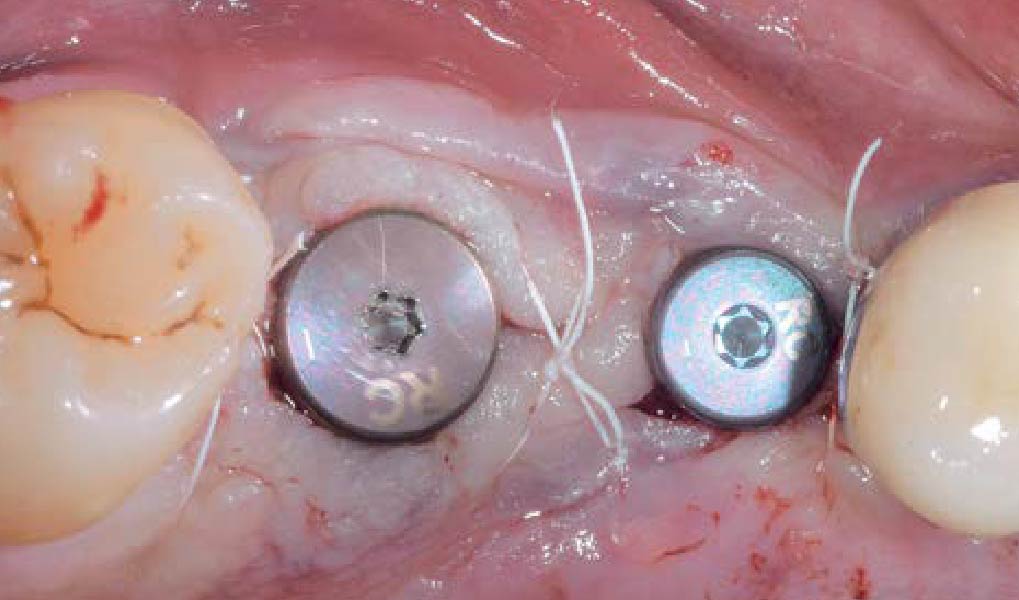
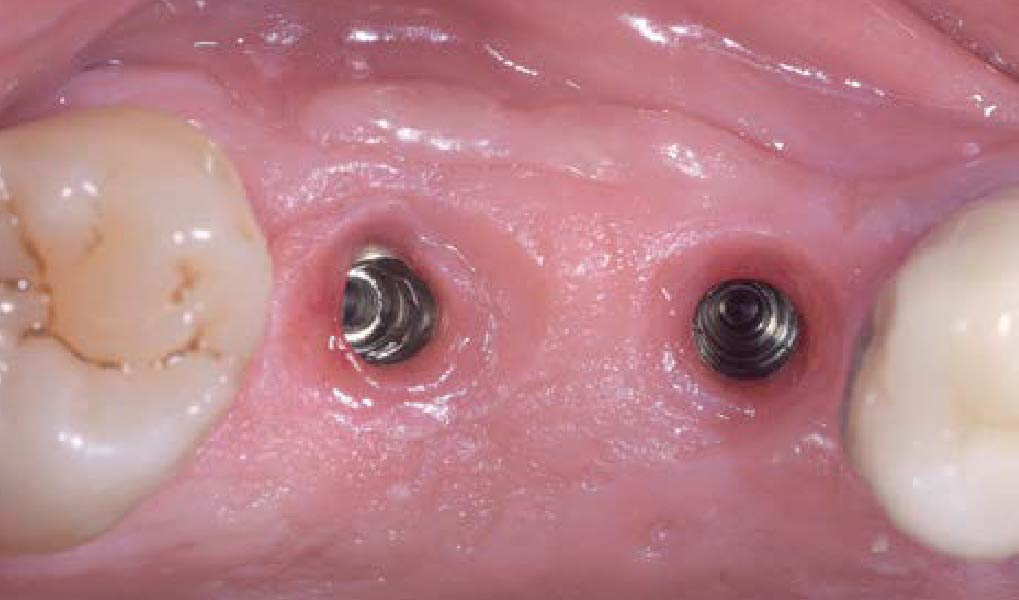
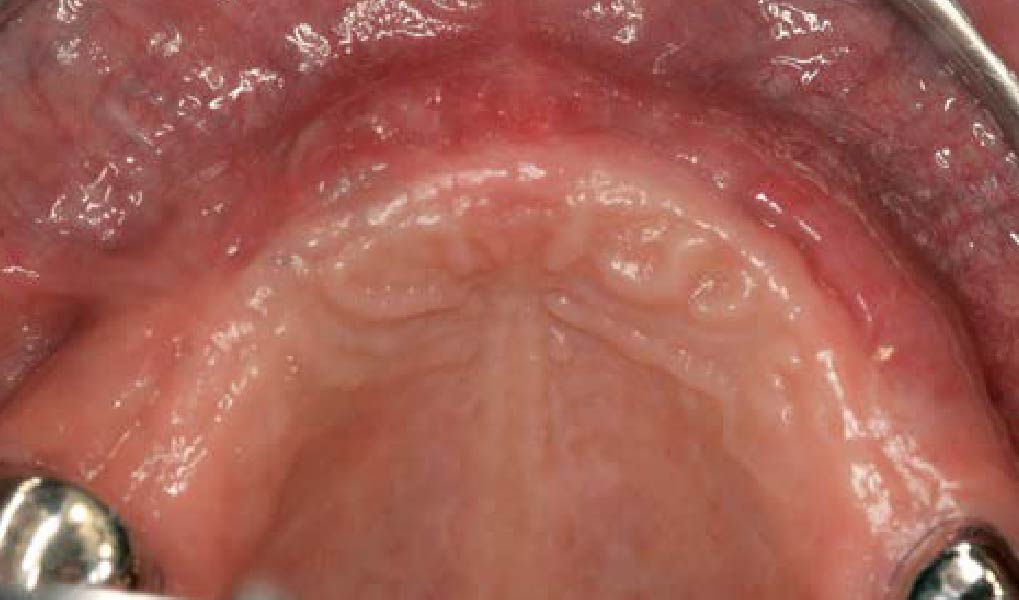
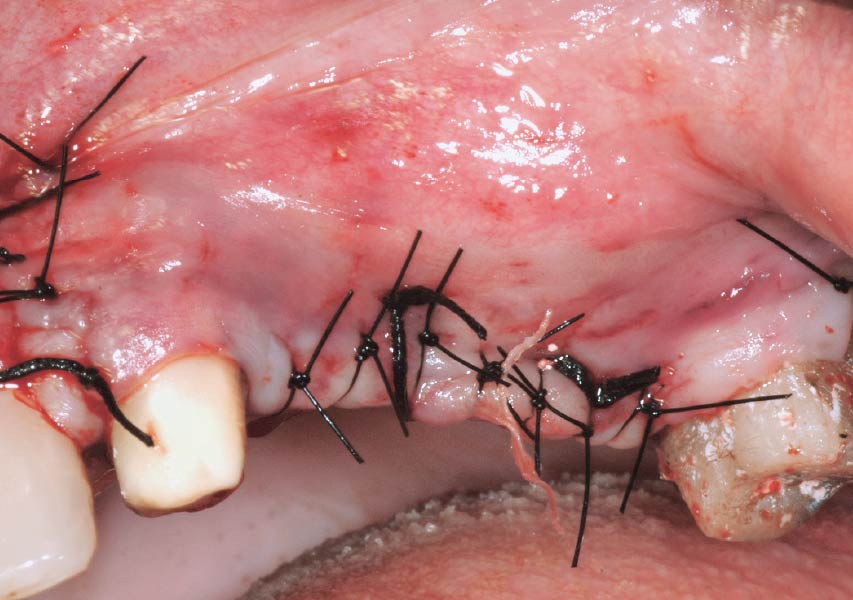
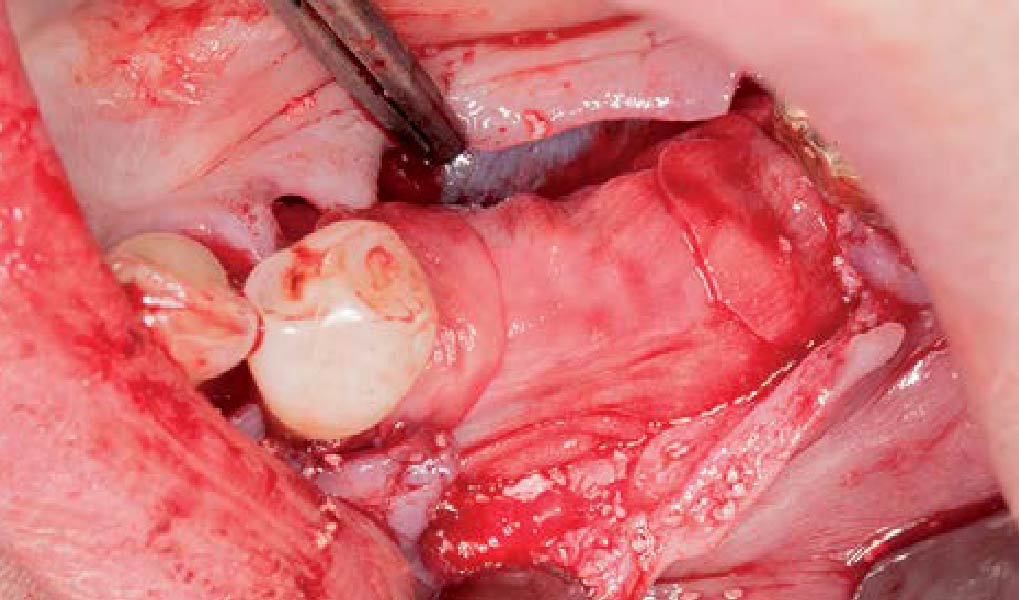
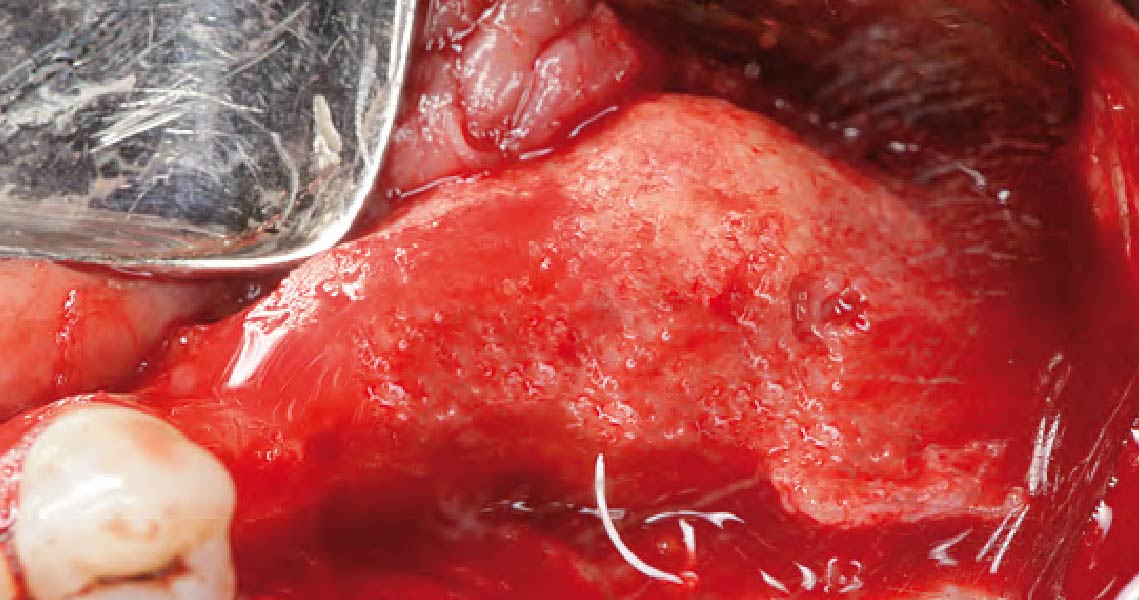
The vallos™ fibers combined with autogenous bone and the PRP created a stable fibrin bone graft that could be easily molded and contained within the mesh. Hydration with PRP was progressive until the graft reached the desired consistency. Wound healing following ridge augmentation was uneventful. There were no signs of infection or membrane exposure at the site. Mesh removal and implant placement is planned at 6-months following ridge augmentation.
CLINICAL CHALLENGE:
AIM/APPROACH:






CLINICAL CHALLENGE:
AIM/APPROACH:
CLINICAL CHALLENGE:
AIM/APPROACH:


CLINICAL CHALLENGE:
AIM/APPROACH:
CLINICAL CHALLENGE:
AIM/APPROACH:











CONCLUSIONS: