
Geistlich Expands Innovative Product Portfolio with Launch of Micross Curve Max
FOR IMMEDIATE RELEASE
June 3, 2026
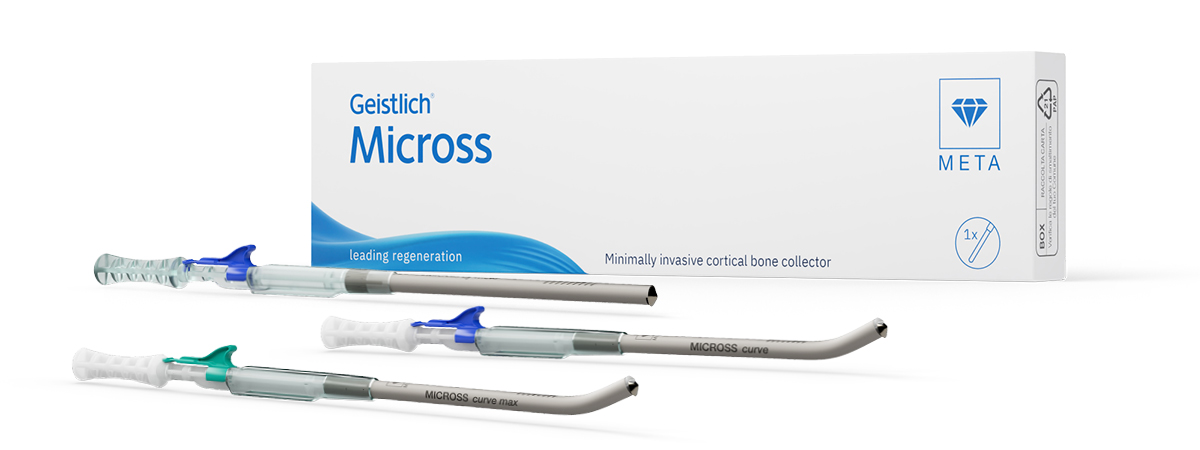
PRINCETON, NJ — Geistlich Pharma North America is proud to announce the launch of the Micross Curve Max, the latest innovation with META and the newest addition to the trusted META Family of regenerative tools.
Geistlich wants to expand the treatment spectrum of its regenerative products through in-house developments, acquisitions and partnerships and make it accessible to an even larger group of patients. One example of this is the medical technology company Meta Technologies s.r.l., which has been part of Geistlich since 2021. Its instruments are considered the gold standard in dentistry.
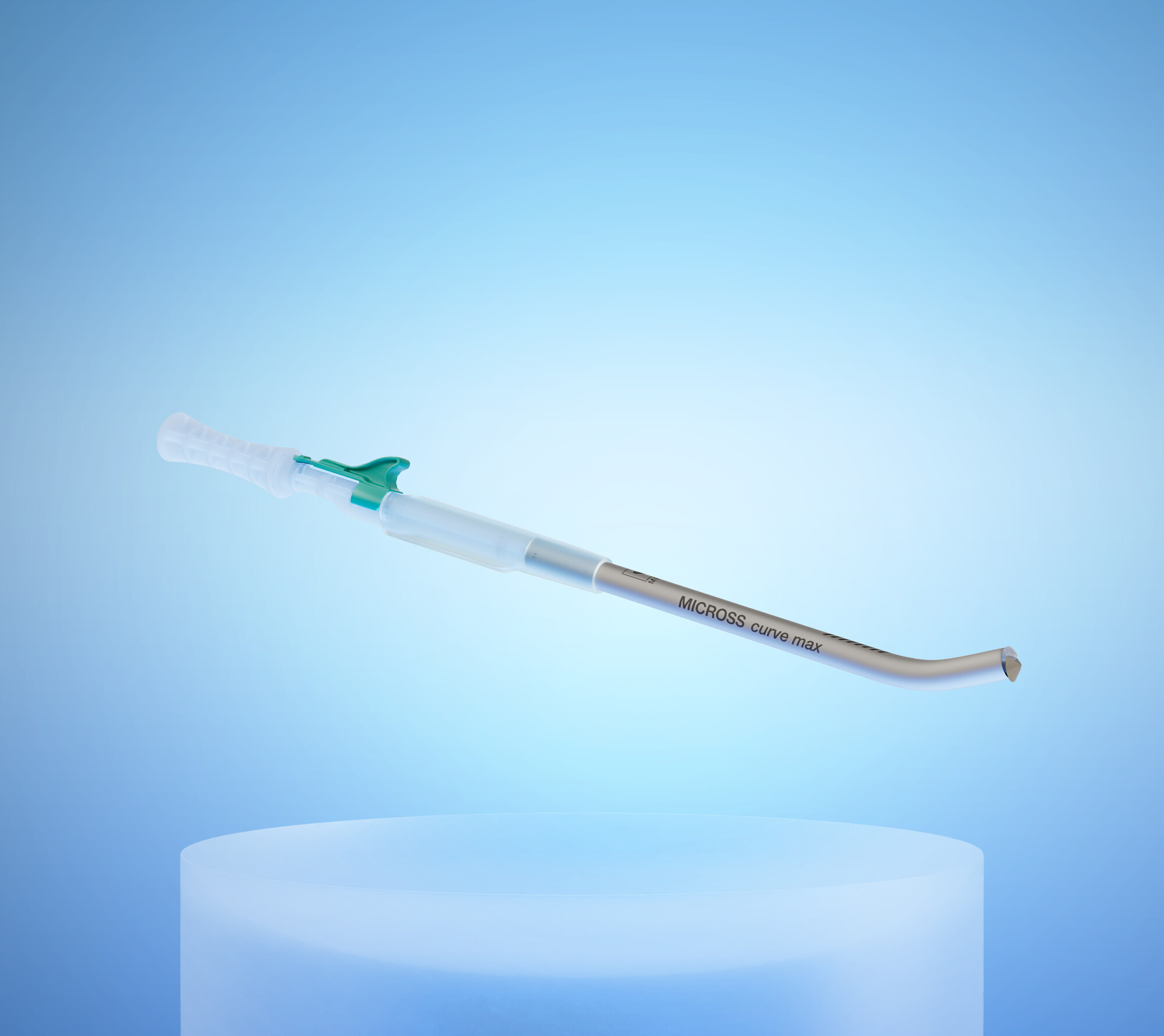
Engineered to support efficient, minimally invasive bone harvesting, the Micross Curve Max advances manual harvesting techniques with enhanced performance and precision. Designed with a slim 5mm diameter, it enables clinicians to collect small quantities of cortical bone in confined anatomical areas while maintaining procedural control.
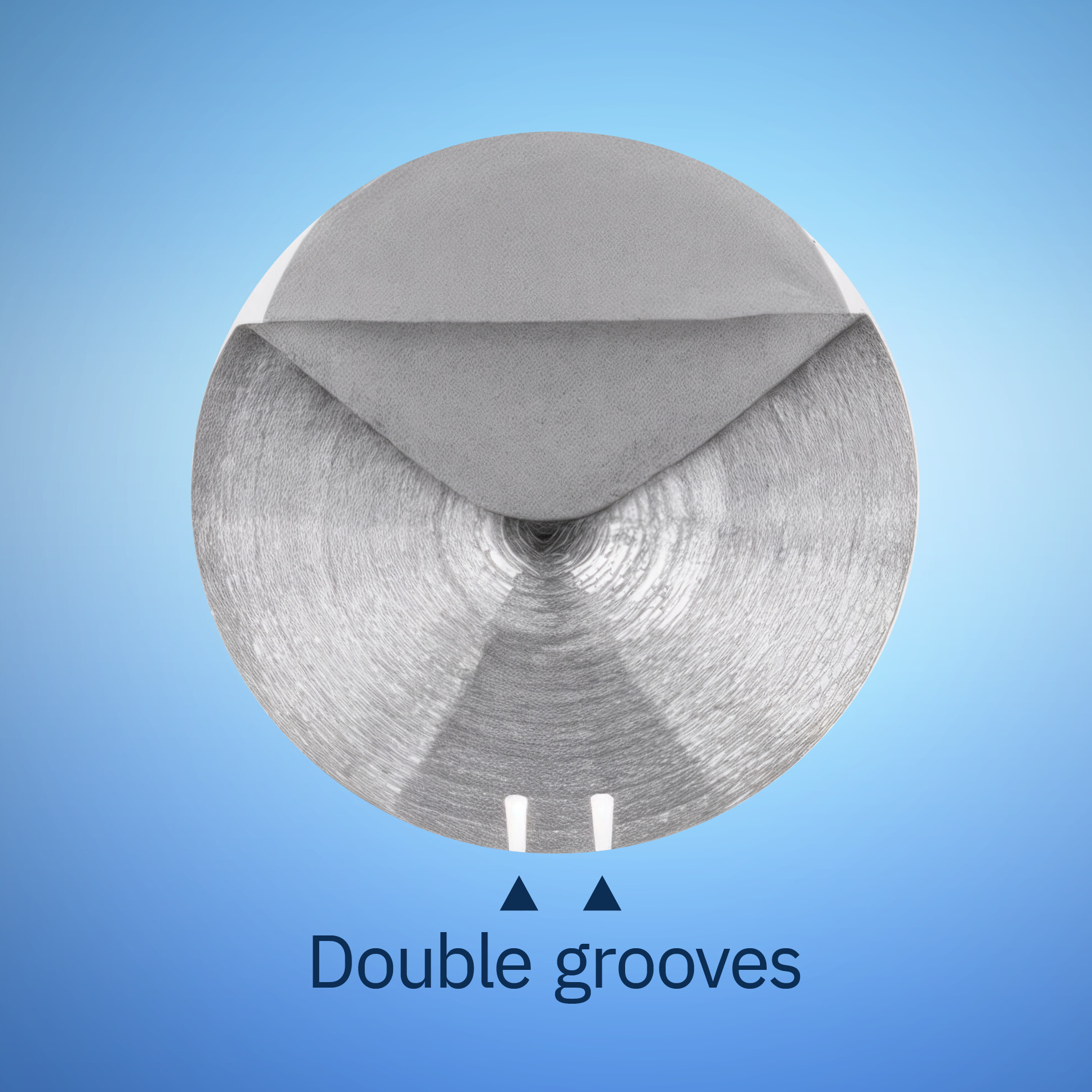
Building on the trusted Micross platform, the Micross Curve Max introduces a patented dual-groove blade design derived from Safescraper Volumizer technology. This innovation allows for up to 20% greater bone volume compared to the Micross Curve, while simultaneously increasing the surface area of harvested bone chips: supporting favorable conditions for cellular adhesion and new bone formation.
Featuring a 27° curved tip and ergonomic design, the Micross Curve Max provides improved access and visibility in challenging intraoral sites. Its minimally invasive approach helps limit the donor site area, while the manual harvesting mechanism preserves bone cell vitality and ensures consistent performance through its single-use design.
By combining increased harvesting efficiency, optimized bone chip characteristics, and enhanced access, the Micross Curve Max supports streamlined workflows while prioritizing patient comfort.To learn more about the Micross Curve Max or explore Geistlich’s full range of regenerative solutions, visit: https://geistlich.us
The Micross Curve Max innovation allows for up to 20% greater bone volume compared to the Micross Curve, while simultaneously increasing the surface area of harvested bone chips: supporting favorable conditions for cellular adhesion and new bone formation.
About Geistlich North America Inc.
With 175 years of regenerative expertise, Geistlich continues to set the global standard in oral regeneration. The company offers a comprehensive portfolio of clinically proven biomaterials, including the world-renowned Geistlich Bio-Oss® and a full line of allografts under the vallos® brand.
The resorbable collagen membrane Geistlich Bio-Gide® is now available in a compressed version for varied handling preferences. For soft-tissue regeneration, Geistlich Mucograft® and Geistlich Fibro-Gide® provide scientifically validated alternatives to autogenous grafts. GEM 21S®, a growth-factor-enhanced matrix, rounds out the portfolio with targeted support for wound healing and bone regeneration.
Geistlich’s legacy of scientific collaboration, product excellence, and clinical outcomes is what makes Geistlich Biomaterials Exactly Like No Other.
Media Contact:
Jamie Bratton
[email protected]
Geistlich Pharma North America Inc.
400 Alexander Park Drive, Suite 302
Princeton, NJ 08540 USA
Home Page:
Social Media